
 Log into your account
 Register

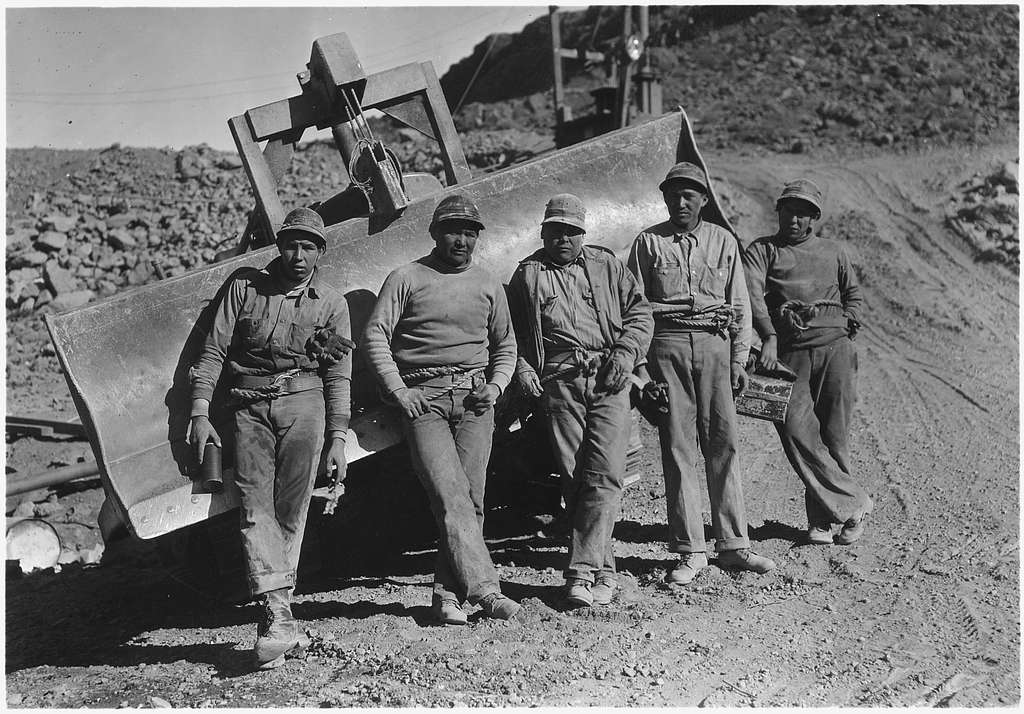


Worn by miners, sailors, soldiers, and railroad workers, denim began as the fabric of labor—built for strength, not style. Its journey from the docks of Genoa to the goldfields of California tells a story of resilience, ingenuity, and industrial evolution. Long before it graced runways or city streets, denim was stitched into the working lives of those who moved the world forward—one rivet, one thread, one shift at a time.
Origins in labor
Denim originated out of necessity. It was first created as a durable fabric and became popular in the 19th century as the preferred material for workwear in the United States. However, its roots are much older and can be traced back to Europe, as the name indicates.
The term “denim” comes from a type of fustian known as Serge de Nîmes, a sturdy twill fabric produced in the French city of Nîmes. Fustian was widely used in medieval Europe due to its affordability and durability. Initially, Serge de Nîmes was made from wool, but it later included blends of cotton and hemp, featuring weft dyed with woad—a local plant used for dyeing blue fabrics before indigo became popular following Vasco da Gama’s discovery of a new sea route to India in 1498.
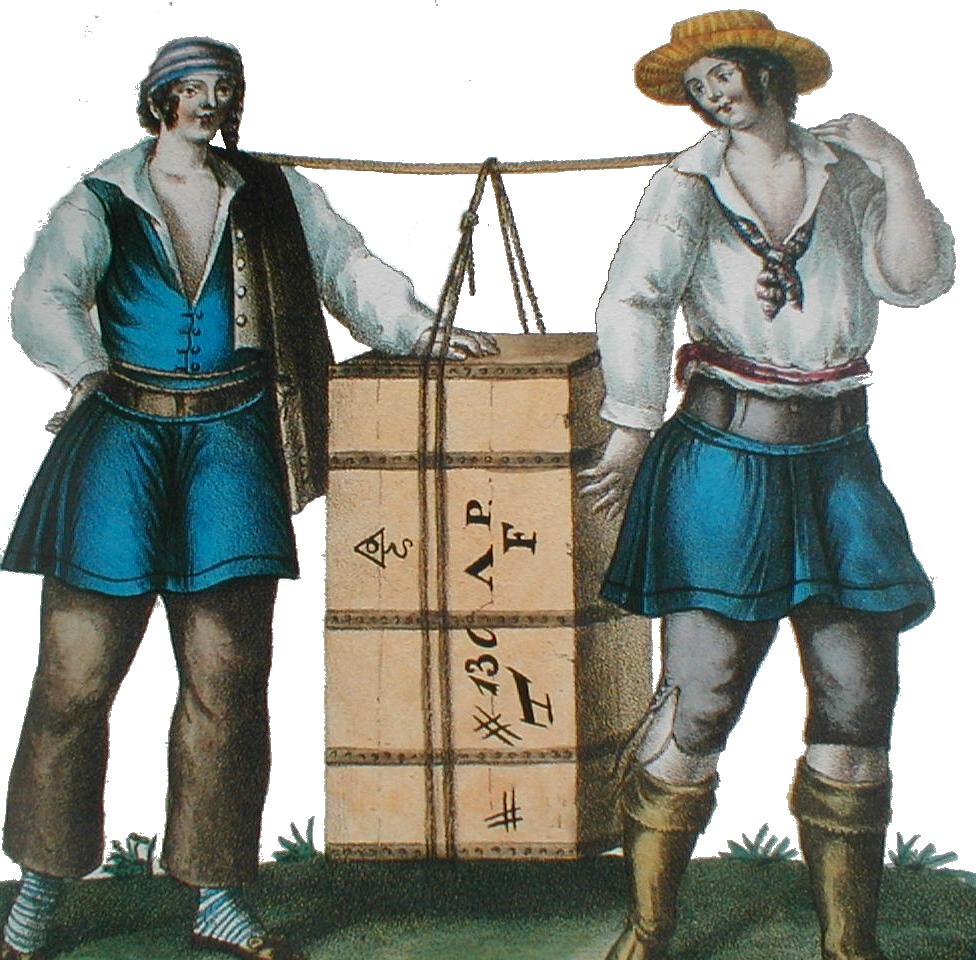
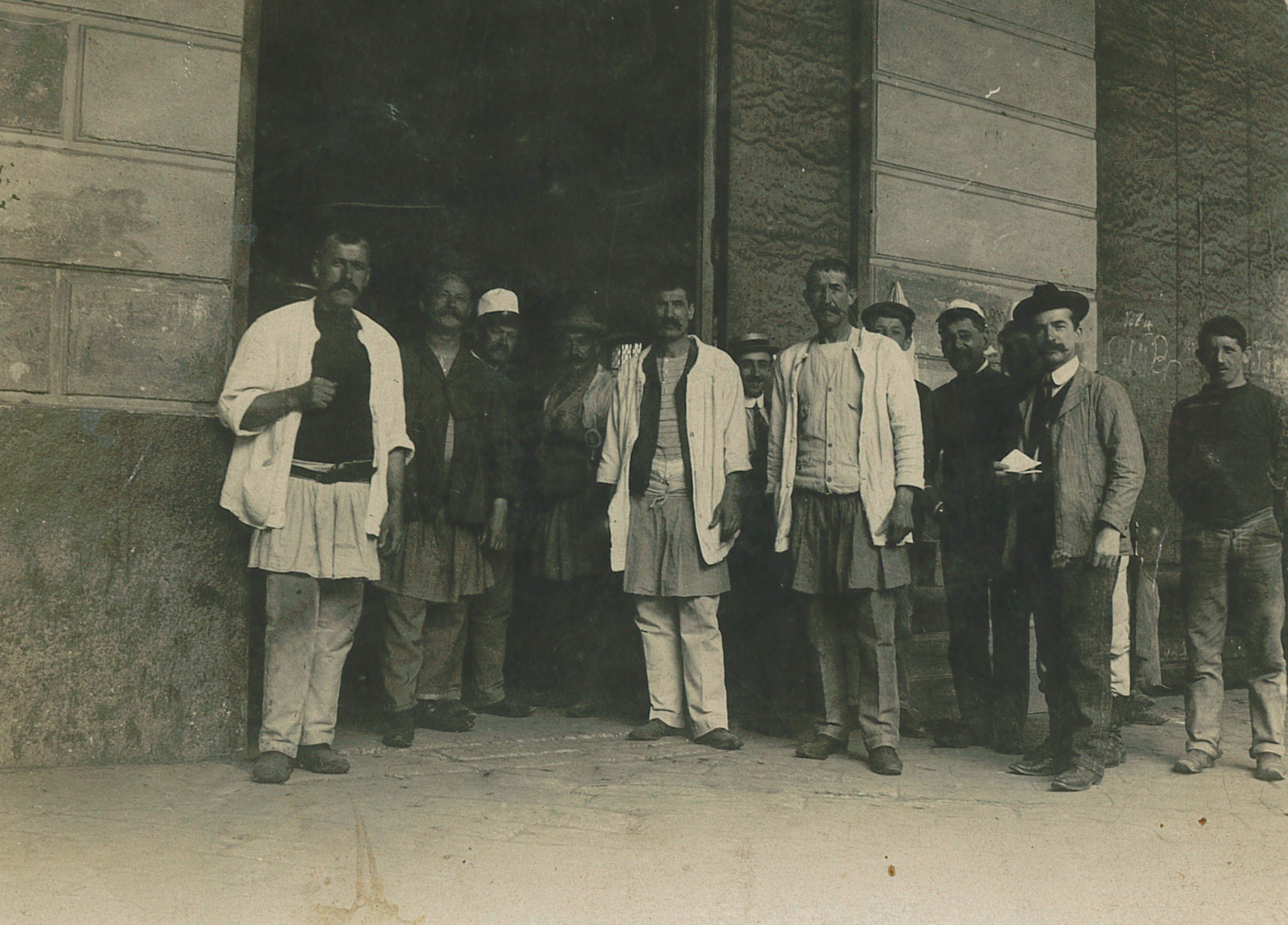
However, in terms of features, the true predecessor of modern denim is Genoese fustian. This fabric, which had been produced since the 16th century, was characterized by an indigo-dyed warp and was made from cotton. At that time, Genoa was one of the busiest ports in the world, which facilitated the export of the city’s products throughout Europe and the acquisition of indigo dye. Indigo worked better on fibers such as cotton and flax than woad, and its dark color effectively concealed stains. Many sailors and port workers in Genoa began using the city’s fustian to create nearly indestructible workwear.
From England to the United States
Between the 16th and 17th centuries, the demand for beautiful yet affordable fabric in England rose significantly. Genoese fustian stood out due to its quality and competitive pricing among the various European fustian types. It became common practice in England to refer to fabrics by distorted versions of their city of origin. The terms “jean” or “jeans,” which sometimes appeared as “jeanes,” “geanes,” or “jeane,” were first recorded in English inventories to describe the fustian imported from Genoa and eventually came to refer to similar fabrics.
From England, jeans fabrics made their way to the United States. In the mid-1800s, during the California Gold Rush, miners and other workers sought clothing that could withstand harsh conditions. This demand led to the meeting of Levi Strauss and Jacob Davis. Davis, a Latvian tailor living in Nevada, responded to a request from a logger’s wife who required durable and comfortable trousers for work. He innovated by reinforcing denim trousers with copper rivets at stress points. Strauss was a German entrepreneur who had moved to California, where he sold fabrics intended for miners’ workwear and was Davis’s fabric supplier.
Davis’s innovation proved so successful that he needed to collaborate with Strauss to meet the growing orders. To support this production, Strauss financed the establishment of a production chain in San Francisco. On May 20, 1873, they patented the new reinforced work pants, initially called “overalls” and later known as “blue jeans.” These pants quickly became a staple for miners, railroad workers, cowboys, and factory hands. Today, the term “jeans” is used specifically for the finished garment, whereas “denim” refers to the fabric itself.
Military and railroad use
The appeal of jeans for manual labor stems from several key factors:
- Durability: the dense weave and twill construction made denim highly resistant to wear and tear
- Affordability: denim was relatively inexpensive to produce
- Practicality: features such as multiple pockets, suspender buttons, and reinforced seams catered to the needs of physical labor
As a result, denim evolved from merely being a fabric to becoming a symbol of the U.S. worker. Over time, it became associated not only with physical labor but also with dignity, resilience, and a sense of identity. After establishing its presence in mining and manual labor, denim was adopted by two major institutions that defined progress and discipline in the United States: the railroads and the military.
In the late 19th and early 20th centuries, denim became the standard uniform for railroad workers, including engineers, brakemen, and conductors. Its durability was ideal for the long days spent in coal dust, grease, and mechanical environments. Denim overalls, jackets, and caps became iconic symbols of the railroad workforce. The fabric’s indigo hue was also practical—it helped conceal stains and grime while maintaining a consistent and professional appearance.
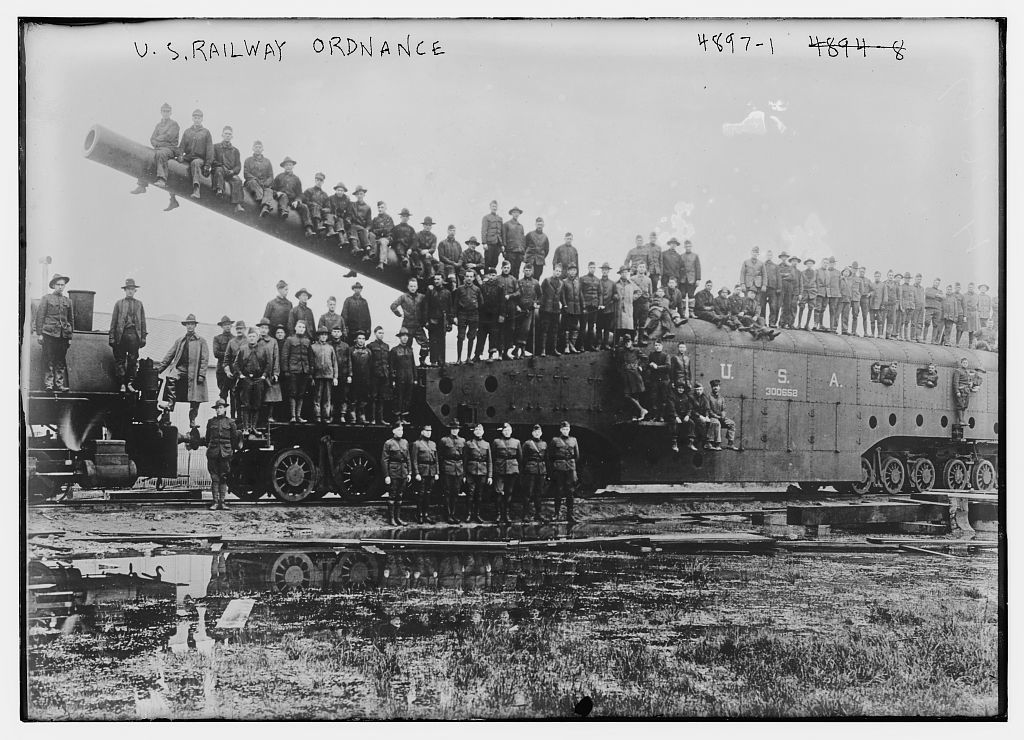
During World War I and World War II, the U.S. military issued denim workwear to soldiers, especially mechanics, engineers, and Navy personnel. These denim garments—such as chore coats, trousers, and coveralls—were valued for their toughness and ease of production. In the 1940s, denim fatigues became standard issue for non-combat roles, designed to withstand rigorous tasks while providing comfort.
Denim in the military also marked a significant shift: it transitioned from civilian labor wear to state-sanctioned uniforms, further embedding itself into the national identity. After the wars, surplus denim was either sold or repurposed, contributing to its widespread adoption in civilian fashion and post-war youth culture.
Transition to mainstream
The cultural evolution of denim in the United States slowly began to take shape in the 1930s when popular actors and actresses like John Wayne, Gary Cooper, Ginger Rogers, and Carole Lombard started wearing denim and encouraging women to adopt jeans during their leisure time. Many people also vacationed at dude ranches in Western states at that time to experience the cowboy lifestyle. For these occasions, women often wore men’s clothing, including sturdy shirts and jeans, marking the first time many of them dressed in pants. In 1934, the first jeans specifically designed for women were launched, and two years later, Vogue featured women’s jeans for the first time.
However, the perception of denim changed dramatically with World War II, when U.S. soldiers serving in Europe and the Pacific helped popularize denim worldwide. Their clothing, actions, and lifestyle became associated with freedom and progress for people in those regions. Additionally, U.S. women who took on factory jobs and other labor-intensive roles to replace men fighting overseas often wore men’s workwear, including denim. This fabric became a symbol of empowerment, epitomized by the iconic image of Rosie the Riveter, which represented a new wave of feminism and a significant increase in economic power for women.
In the 1950s and 1960s, beloved movie and music stars such as Marlon Brando, James Dean, Marilyn Monroe, Elvis Presley, Jimi Hendrix, Janis Joplin, and The Rolling Stones further elevated the status of denim as leisurewear and a symbol of youthful rebellion. Jeans surged in popularity among young people seeking to distance themselves from the previous generation’s values and the establishment’s formality. This was particularly evident during the Woodstock Festival in 1969, protests against the Vietnam War, and demonstrations for civil rights.

Modern reinterpretations
The role of denim underwent significant evolution in the 1970s with the introduction of stretch denim, which enabled the creation of skinnier, more feminine jeans that quickly gained popularity among women worldwide. This period marked the beginning of the premium denim era, during which jeans transitioned from simple clothing items to luxury fashion staples, a change highlighted by Adriano Goldschmied, often referred to as the father of premium denim. In 1976, Calvin Klein made history by showcasing denim in a fashion show for the first time.
During this era, it became crucial for garments to be easily recognizable, as they represented powerful fashion statements. Jeans began to be offered in various fits and styles, each associated with a specific social status or subculture. For instance, punk, grunge, and rock enthusiasts tended to wear slimmer jeans, while the baggier styles were favored by ‘90s pop and hip-hop artists, as well as the skater community.
Today, denim remains a cornerstone in collections from the most prestigious brands and designers worldwide. There are no strict rules governing its usage; both traditional and innovative designs are embraced for their versatility and democratic appeal. However, the combination of denim and workwear continues to influence both functional design and fashion aesthetics. Heritage brands celebrate the legacy of denim, while innovative designers draw inspiration from the history of workers’ jeans to continuously reinvent this timeless fabric.