 Log into your account
 Register



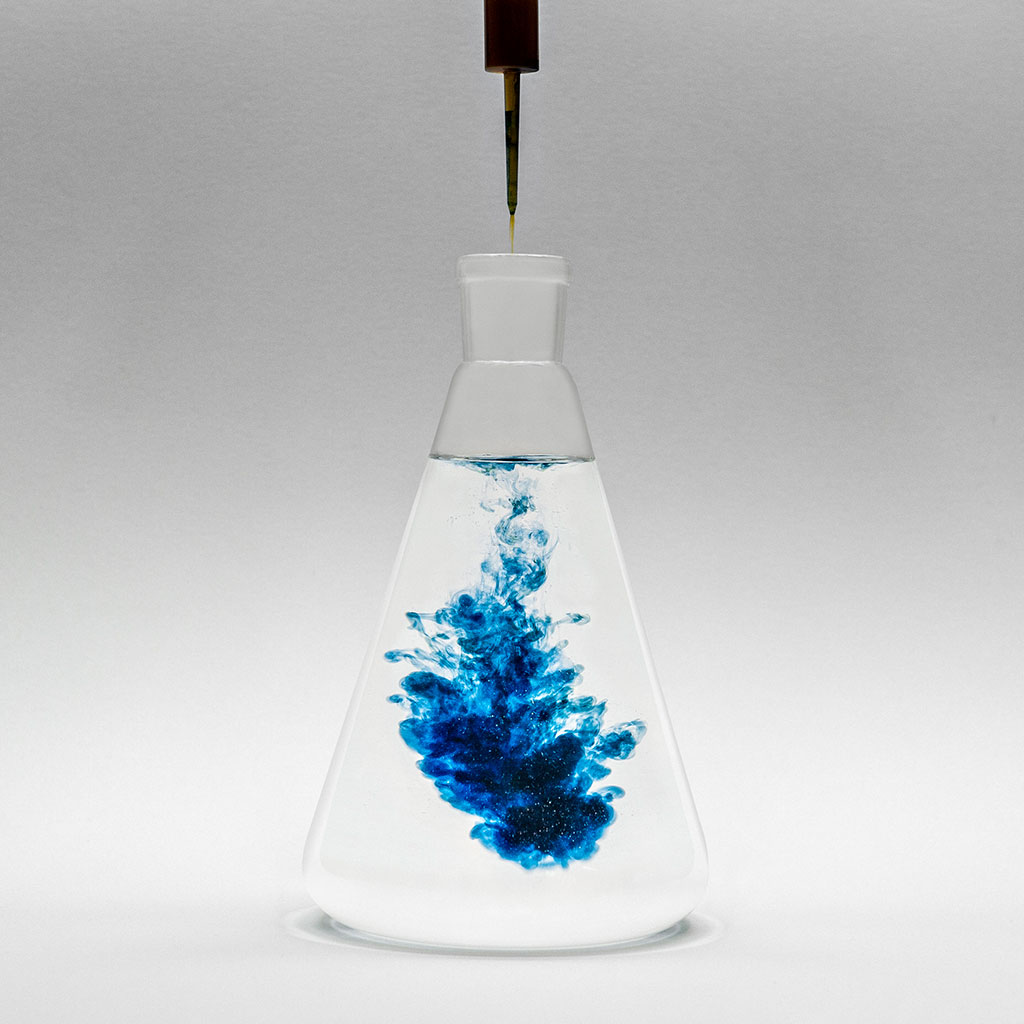
Denim dyeing is a complex process with deep historical roots. It beautifully merges the tradition of indigo dyeing with innovative technologies and materials, making it one of the production steps that define denim’s identity. From the history of indigo to various production methods and pigments, and even the future of dyeing, let’s explore the indigo dyeing process in denim.
History of indigo dye
“Indigo” derives from the Latin word “indicum,” which means “from India.” The first indigo-dyed fabric, discovered at Huaca Prieta in Peru, is over 6,000 years old. However, it is likely that Indigofera plants, the source of indigo dye, were first cultivated in the Indus Valley, which is now part of Pakistan and northeastern India. Archaeological findings indicate that indigo has been widely used in both Asia and South America. Additionally, the dye was known in the Mediterranean basin to the ancient Egyptians, Greeks, and Romans, but it remained rare due to its high import costs.
In Europe, blue dye was primarily produced from a local plant called woad until Vasco da Gama opened a new sea route to India in 1498, facilitating the import of Indian products. As a result, indigo began to replace woad because it was better suited to dyeing fibers such as cotton and flax. European colonial powers soon recognized the potential of indigo, leading to large-scale production in their overseas territories, often relying on the ancestral knowledge of enslaved Indigenous peoples and Africans. Consequently, indigo became one of the most profitable products for the two dominant commercial organizations of that era, the British East India Company and the Dutch East India Company. Its profitability even surpassed that of cotton and sugar in South Carolina.
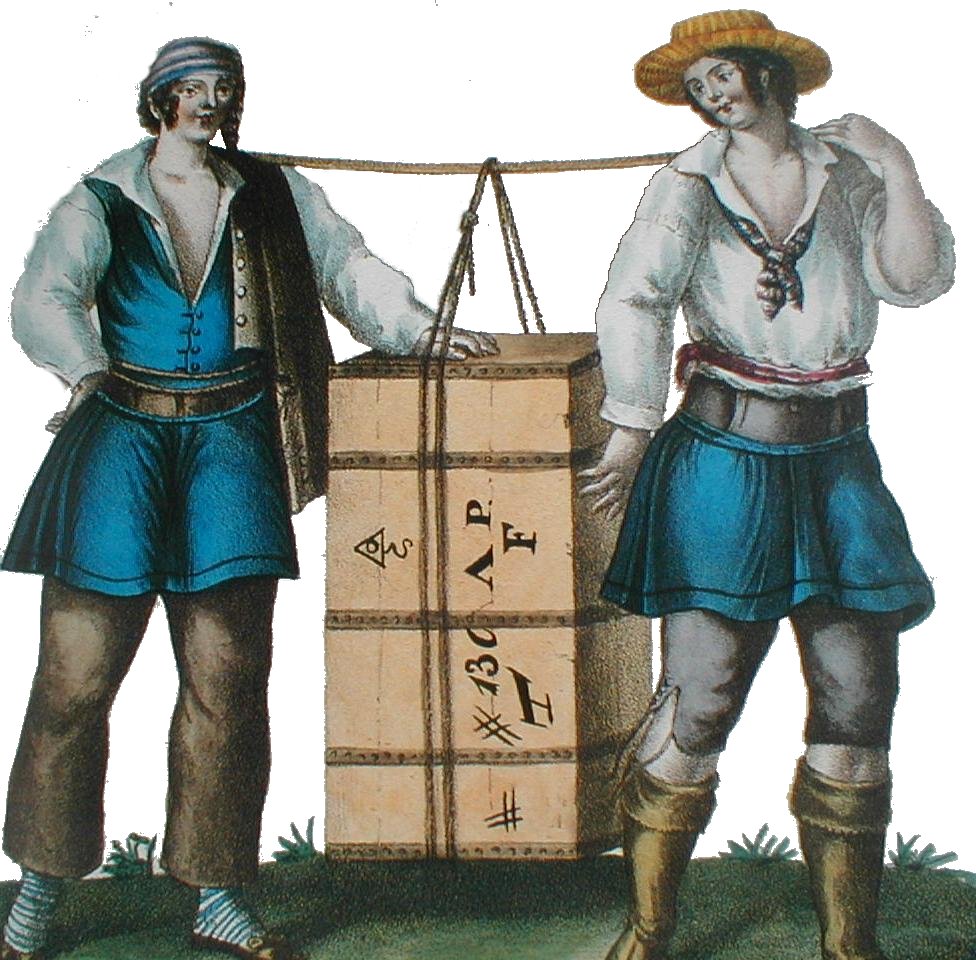
Indigo has been the traditional color of jeans since the 16th century, as it was used to dye Genoese fustian, the precursor to modern denim. Italy had indeed emerged as a key hub for Eastern imports, thanks to the progressive ports of Genoa and Venice. Blue fustian was used by sailors and dock workers for sails and to cover shiploads, and was eventually repurposed for durable workwear. The indigo dye was also dark enough to conceal the inevitable stains and dirt from manual labor. The affordability and average quality of Genoese fustian, compared with other similar fabrics, made it popular in Europe and later in the United States.
Rope dyeing process
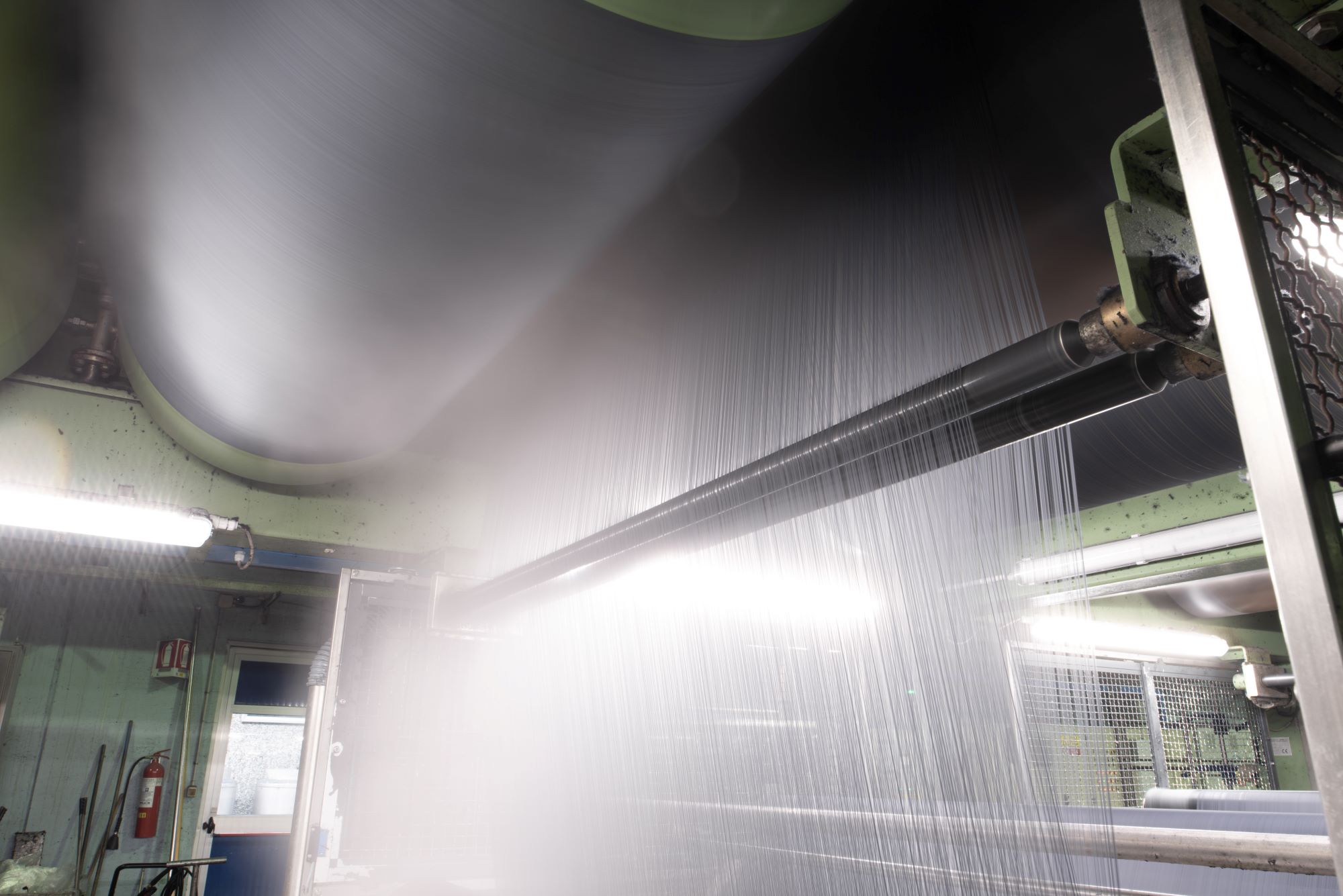
Rope dyeing was introduced in 1915 and involves bundling yarns into ropes before dyeing them. This method has several advantages, including the ability to process large volumes continuously while generating little to no waste during lot changes. Plus, ropes are dyed with identical tension and angle, reducing the risk of side-to-side variations.
Rope dyeing is particularly common in the denim industry because its short dyeing time prevents indigo from fully penetrating the fibers, resulting in yarns that fade more quickly and effectively than fully dyed yarns. However, rope dyeing requires more production steps, as the threads need to be re-beamed. This leads to higher costs and longer processing times. Additionally, rope dyeing is less suitable for fine and delicate yarns and for frequent color changes.
The other primary dyeing method used in the denim industry is slasher dyeing, which was introduced in 1970. In this process, yarns are laid out in a sheet-like formation. Slasher dyeing is more efficient, faster, and less expensive than rope dyeing because it integrates dyeing and sizing, saving time, labor, and energy.
Natural vs synthetic indigo
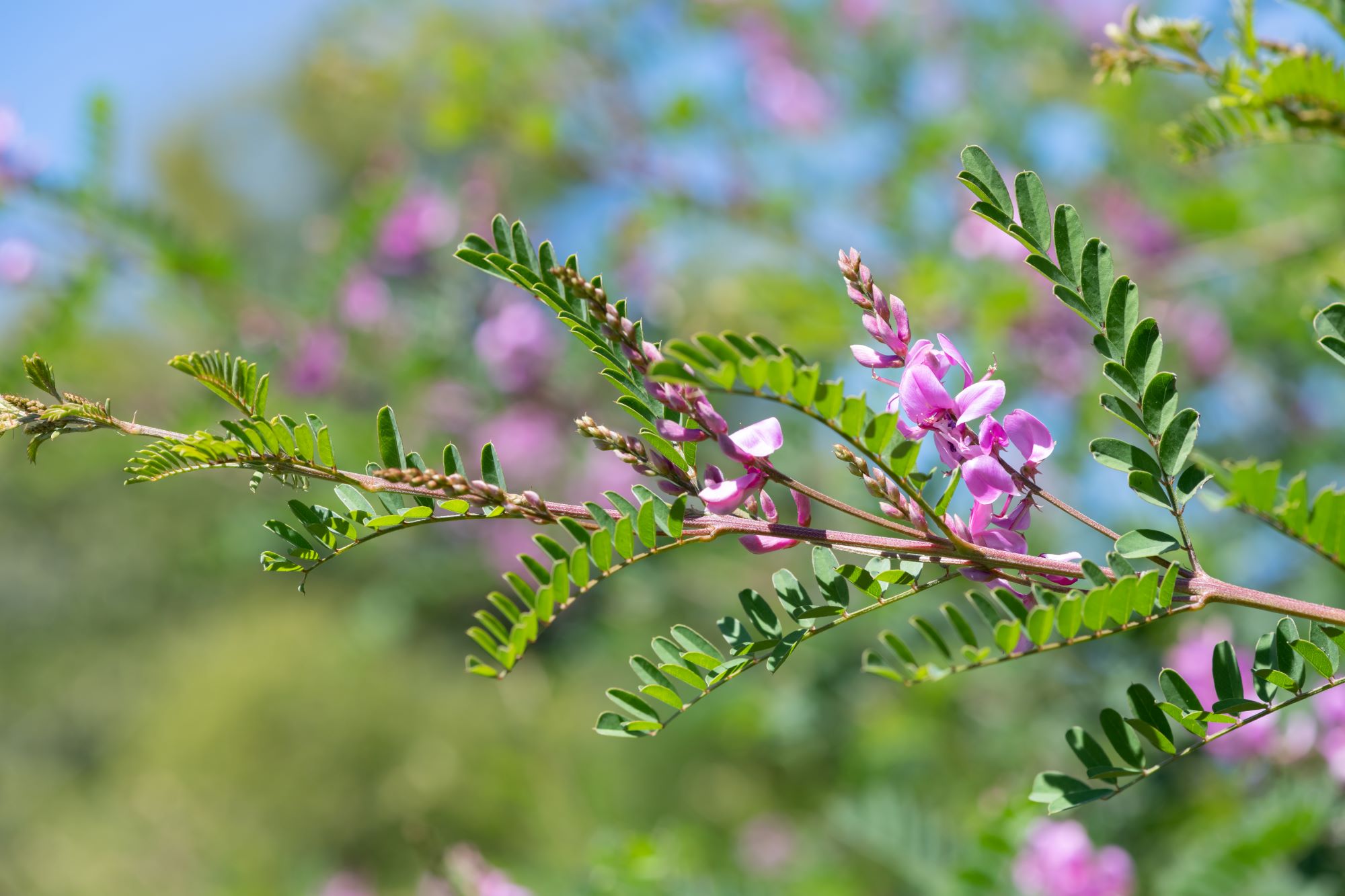
Traditionally, the leaves of Indigofera plants are fermented to create indigo dye. This process is complex and labor-intensive, resulting in a yellowish liquid that turns deep violet-blue when exposed to oxygen in open vats. After oxidation, the water evaporates, and the sediment that settles at the bottom is collected. This sediment is then sold as solid indigo. However, the discovery of synthetic dyes in the 19th century led to a decline in the use of natural indigo. Adolf von Baeyer synthesized indigo in the late 19th century, making the dye more accessible and contributing to a significant reduction in the number of Indigofera plantations worldwide.
Despite differences in their origins and production methods, the molecular structures of natural and synthetic indigo are the same, as is the dyeing process. All forms of indigo are insoluble in water, which means they require the same chemicals to increase their affinity for fibers and enable bonding with textiles. While the indigo dyeing process remains consistent, the number of dyeing vats used depends on the desired depth of blue. Yarns are dipped in the yellow indigo vat and then exposed to air, causing them to change from yellow to blue. However, dark indigo denim is typically dyed with synthetic indigo or a synthetic-natural blend because natural indigo tends to be brighter.
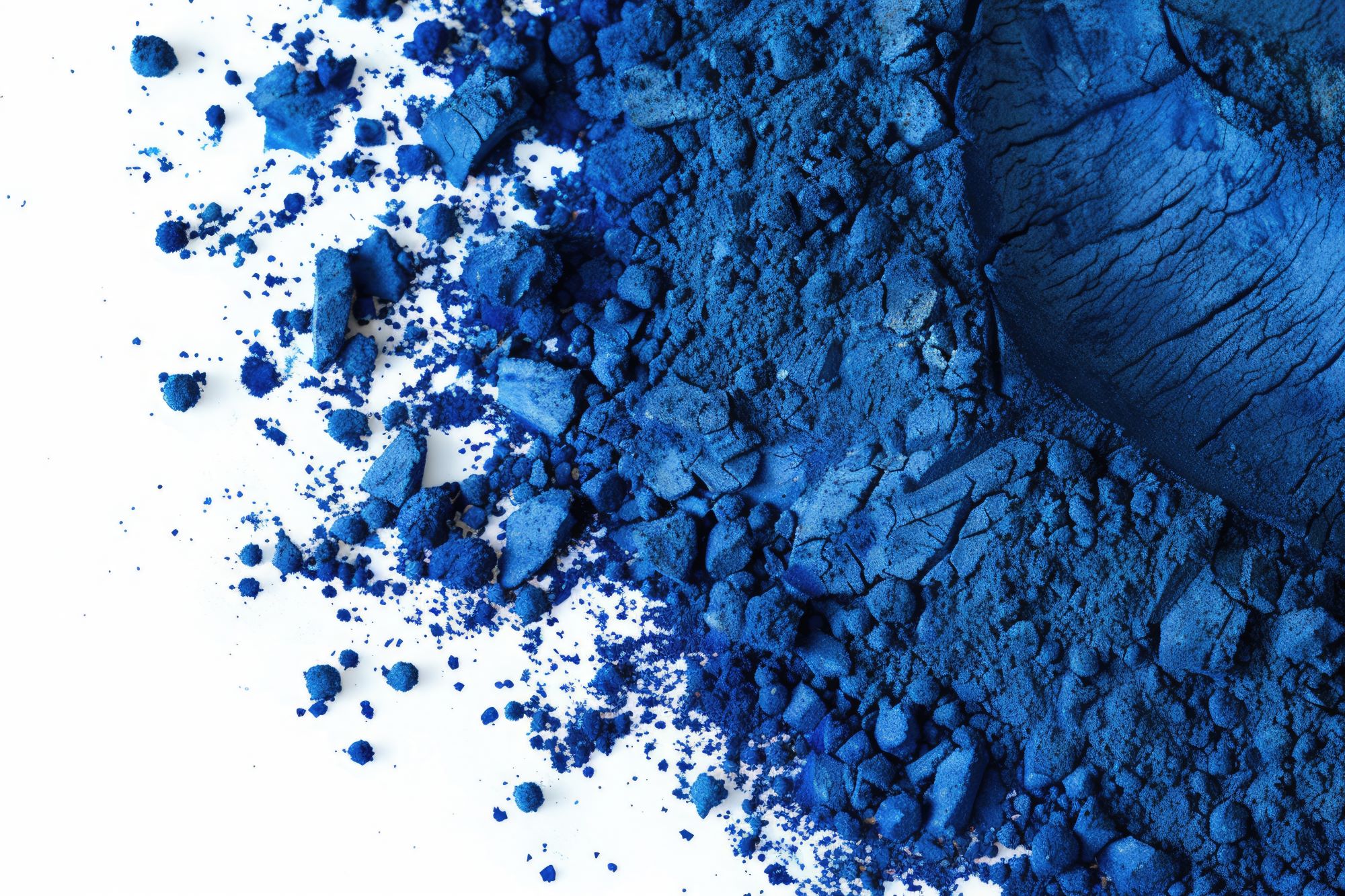
Natural indigo offers eco-friendly benefits, as it is biodegradable, plant-based, and derived from renewable sources. However, cultivating Indigofera plants can require significant land and water resources, making natural indigo unsuitable for large-scale textile manufacturing. Additionally, natural indigo does not ensure the required stability for large-scale, uniform production. Consequently, the hues of natural indigo are vibrant, unique, and less predictable, making it perfect for artisanal and limited-run denim. In contrast, the production of synthetic indigo is chemical-intensive and requires careful management to mitigate environmental risks. Synthetic indigo is available in both powder and pre-reduced forms. Although the latter is typically more expensive, it requires fewer chemicals—usually sodium hydroxide and hydrosulfite—to bond the dye into the yarns, making it a more environmentally friendly option.
Future dye technologies
The dyeing process is one of the most polluting aspects of the textile industry. It is both water- and chemical-intensive, producing large volumes of wastewater that can release harmful chemicals into the environment if not managed properly.
For this reason, the latest advancements in the field focus on reducing environmental impact through two main approaches: utilizing techniques that consume less water and replacing hazardous chemicals with bio-based alternatives. Additionally, effective wastewater management is crucial to prevent pollutants from entering the environment and subsequently affecting the food chain.
A notable example of innovation is our patented Kitotex® technology, which replaces polyvinyl alcohol (PVA) in the sizing process. This phase helps fix indigo dye on denim and enhances yarn resistance during weaving. While PVA can be biodegradable, it requires specific conditions for breakdown that most wastewater treatment facilities currently lack. In contrast, Kitotex® uses chitosan, a non-toxic, biodegradable material derived from chitin—the second most common natural polymer in the world, found in various renewable sources. We exclusively source our chitosan from the fungus Aspergillus niger.
Furthermore, the selected dyeing process significantly influences subsequent washing and garment-finishing processes, which also have a high environmental impact. Matching the appropriate dyeing technique to the treatments used to achieve specific aesthetics or hand feel is essential for reducing water and chemical use in industrial laundries and minimizing CO2 emissions.