 Log into your account
 Register

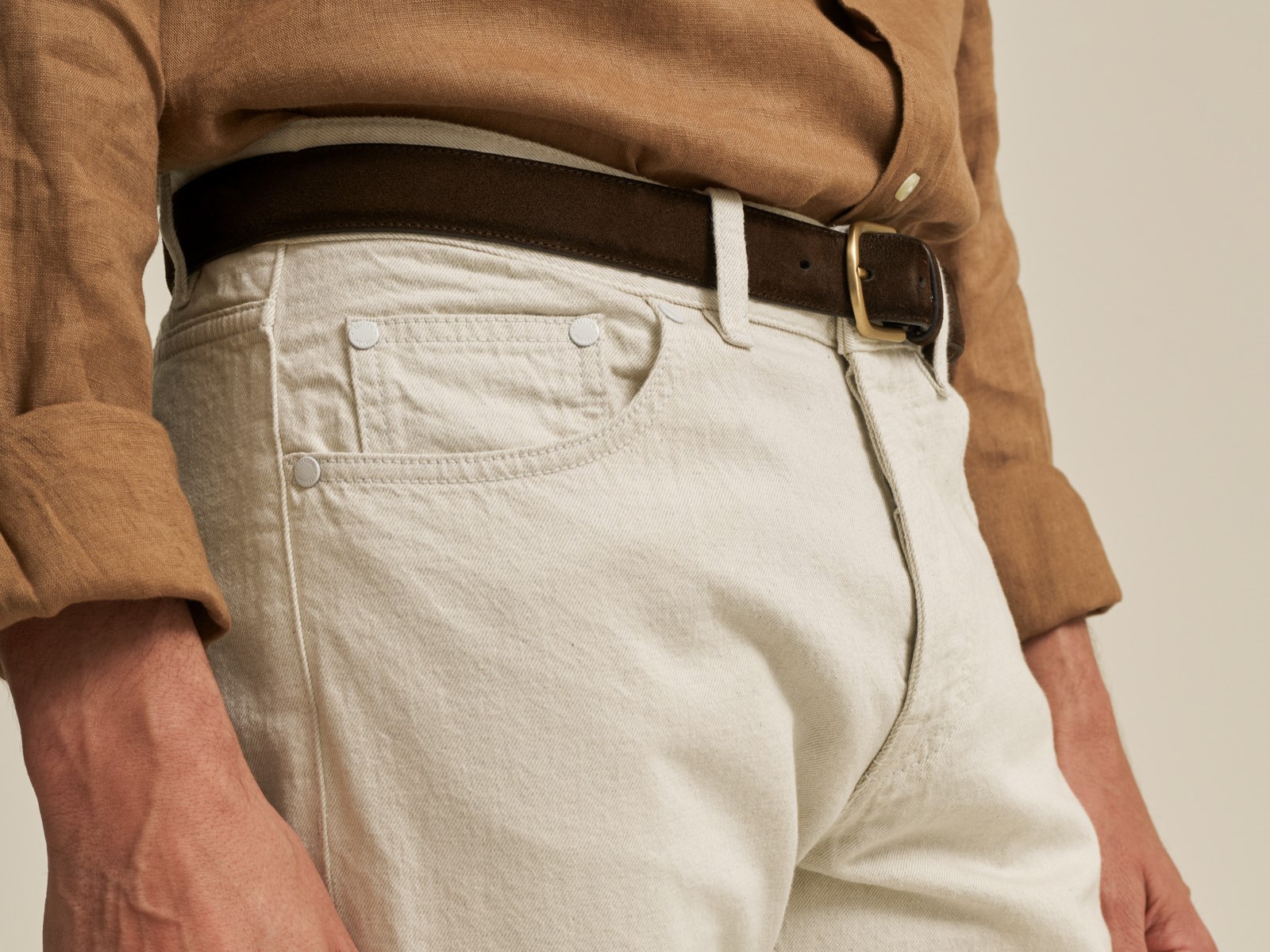


The rise in global temperatures prompts us to not only reflect on the environmental impact of our production processes but also to explore new lightweight alternatives to traditional denim. For this reason, we have recently launched a denim fabric collection that combines regenerative cotton and linen. Let’s take a look at its main features.
Explore our collection of linen-blended denim, ideal for the summer months
Our linen-blended denim collection is made from European regenerative cotton sourced from Spain and Greece, blended with flax from France in the weft. This short supply chain helps us minimize the environmental impact related to transporting raw materials and makes it easier to trace their origins.
Our blend of cotton and linen is the perfect choice for those who appreciate traditional denim characteristics, even during warm seasons, while seeking a fresher fabric. This line combines the aesthetic appeal, strength, and durability of classic denim with lightweight linen, offering superior comfort and softness for summer wear.
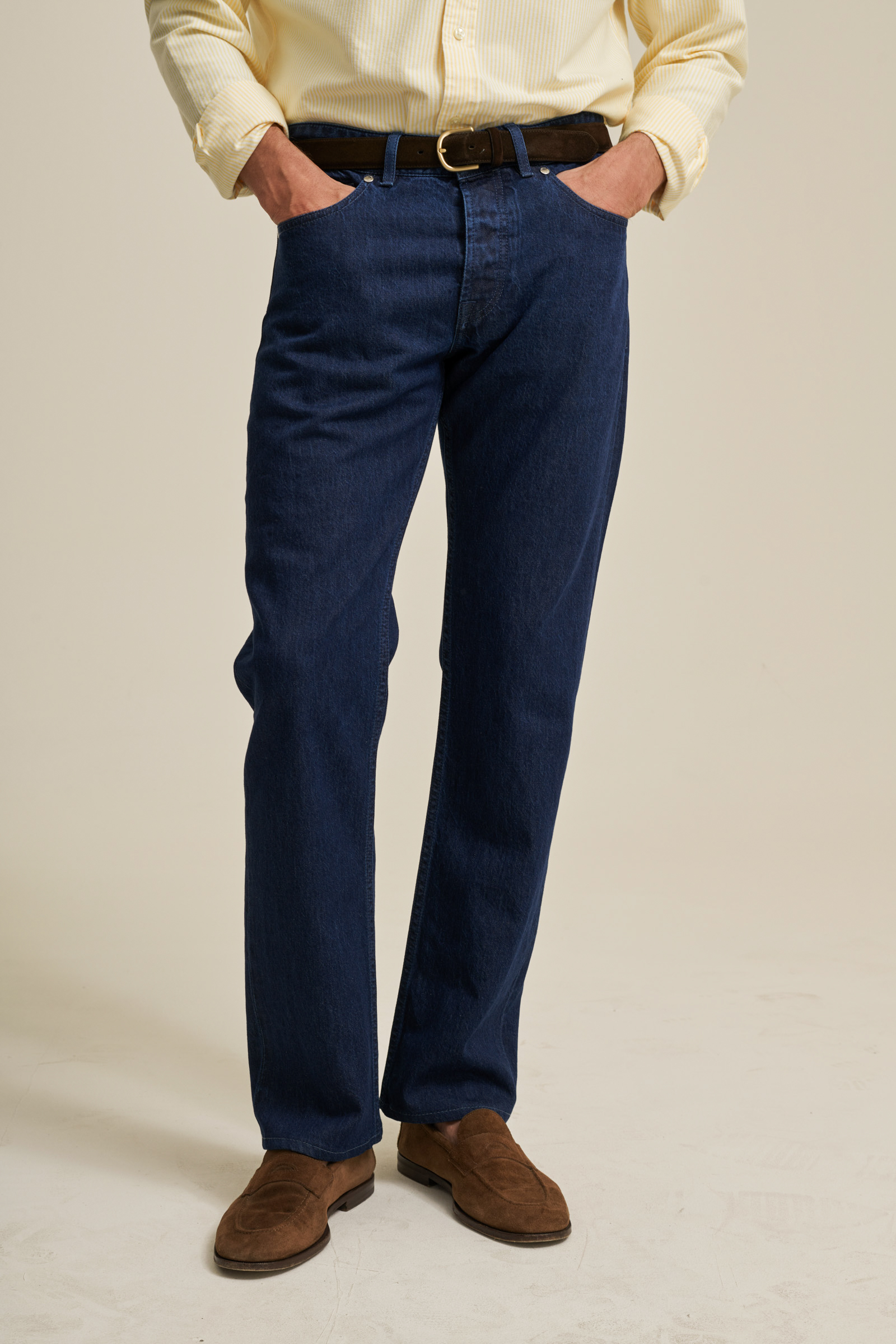
The colors available in our linen-blended denim reflect the most popular hues of the warm months. In addition to indigo, a staple in any denim collection, available in various shades from dark to medium, we also offer ecru, the natural color of cotton, and a refined beige. Both of these shades enhance the feeling of freshness in our fabrics.
Linen characteristics
Linen is a lightweight fiber that is both resistant and durable. According to Textile Exchange, it is primarily grown in Europe. In 2024, 70% of the flax used to produce linen fibers came from this region, with France being the largest producer. Furthermore, linen fibers are 100% biodegradable, require minimal irrigation, and are produced with no waste, making them an environmentally friendly choice.
Linen naturally has a soft, lustrous texture that improves with each wash, becoming increasingly softer and more comfortable over time. One of its main advantages is that it is gentle enough for sensitive skin. Additionally, linen is known for being one of the most hygienic fibers; it is hypoallergenic, odor-resistant, and breathable. Linen effectively regulates temperature and absorbs excess humidity, which helps eliminate bacteria and other harmful microorganisms.
Interestingly, the combination of cotton and linen is reminiscent of the most popular fustian in medieval Italy. Genoese sailors also used this fabric, which can be seen as a precursor to modern denim. However, in traditional Italian fustian, linen was used to create the warp.
Our commitment to regenerative cotton
Our primary objective for 2026 is to shift to 100% regenerative cotton and yarn sourcing, while still maintaining some organic cotton and increasing the utilization of recycled fibers and yarns.
Regenerative agriculture does not have a universally accepted definition; instead, it emphasizes outcomes rather than a strictly followed process. The practices vary across regions based on soil properties, biological dynamics, and climate conditions. However, they all aim to improve soil health, restore the planet’s natural functions, and rebalance ecosystems.
Common techniques include cover crops, which protect and enrich the soil; crop rotation, which helps maintain or enhance soil fertility; and reducing or eliminating mechanical tillage, which can harm beneficial soil microorganisms.
Healthy fields reduce soil erosion, require less water, and are more resilient to both floods and droughts. They store more carbon dioxide underground and produce better yields. Additionally, these practices lead to stronger, healthier crops that can better resist weeds and pests and require fewer chemical fertilizers. As a result, regenerative agriculture fosters greater biodiversity both above and below ground, improves financial profitability, reduces greenhouse gas emissions, mitigates climate change, and enhances the cycles of hydrogen, carbon, and nutrients.
The regenagri® certification
We were the first denim producer to achieve the regenagri® Chain of Custody certification in 2021, which underscores our commitment to promoting and supporting regenerative farming practices from the very beginning. We firmly believe that regenerative agriculture has greater scalability than other environmentally friendly approaches, which could lead to a vast positive impact and ensure the financial stability of all communities involved.
The regenagri® program was the first to implement concrete actions based on robust standards, third-party verification systems, and traceability. Moreover, it encourages ongoing improvement by providing farms and organizations that wish to adopt the standard with a comprehensive solution tailored to their specific needs. Our regenagri®-certified fabrics contain at least 40% regenerative cotton.

The advantages of our patented Kitotex® technology
Our linen-blended denim fabrics are then treated with the patented Kitotex® technology during sizing. This treatment is crucial for enhancing the durability of the yarns on the loom. Kitotex® utilizes chitosan, a smart, non-toxic, and biodegradable material, as an alternative to traditional PVA.
PVA, or polyvinyl alcohol, is a plastic polymer derived from petroleum. It is commonly found in various everyday products, including food packaging and dishwasher and laundry pods. Although PVA can dissolve in water and biodegrade, it requires specific conditions that many current treatment facilities do not provide. According to research published in the International Journal of Environmental Research and Public Health, 75% of PVA remains in the environment after use. It is estimated that each U.S. citizen consumes between 0.101 and 0.549 grams of PVA daily.
Chitosan is derived from chitin, the second most common natural polymer after cellulose. It can be found in various renewable sources, including insects, crustaceans, algae, and fungi. Our chitosan is sourced exclusively from Aspergillus niger. Due to its numerous beneficial properties, particularly its ability to bind and form films, chitosan is utilized across several industries, including food, pharmaceuticals, cosmetics, and biotechnology. Its applications include:
- Removing pollutants and heavy metals from wastewater.
- Breaking down organic matter, which reduces the amount of sludge that needs to be extracted from sewage systems.
- Acting as a coagulant, which helps to flocculate suspended particles for easier removal.
- Inhibiting bacterial proliferation by disrupting their cell membranes.
- Enhancing color saturation to improve denim’s appearance.