 Log into your account
 Register



Raw denim and selvedge denim often get mixed up, but they’re quite different! “Raw” means this denim hasn’t been washed or finished, while selvedge refers to a unique weaving method. Together, they create raw selvedge denim, the most authentic and traditional quality, and a true classic loved by denim fans. Feeling a bit puzzled? Don’t worry! Let’s explore this exciting topic together!
Raw denim: why is it rare and how to break it in?
Denim is different from other fabrics because it is typically cut and sewn in its raw state, undergoing washing or treatment only after the garment has been completed to achieve the desired look and feel. Raw (or dry) denim is the purest form, as it comes directly from the loom to our wardrobes without any treatment. Strong and durable, this fabric became the ideal choice for workwear when modern denim gained popularity among sailors, miners, cowboys, railroad workers, and other blue-collar workers at the end of the 19th century.
At first, raw denim may feel stiff and rough because it is entirely untreated. However, with regular wear, it becomes more comfortable and develops a unique character. This type of denim improves with age, as the indigo color fades based on the wearer’s habits, telling a personal story and creating the beloved worn-in, vintage aesthetic that many people appreciate in jeans. Your raw jeans are unique, molded to your body, showing whiskers and other signs of wear that reveal how you sit, which pocket holds your valuables, and whether you create cuffs!
That said, breaking in raw denim takes time and many wears, which is something most people aren’t accustomed to today. Additionally, raw denim requires infrequent and gentle washing, a practice that many are not familiar with. As a result, washed jeans have become the most popular choice. The washing process softens the fabric, reduces the risk of shrinkage during home washing, and mimics the natural aging process of raw denim.

How to wash raw denim at home
All jeans require special care when washed at home to avoid getting ruined. Raw denim needs even more care to maintain its unique look. Washing it at home can speed up the natural fading of indigo, which is a key feature of authentic denim. Domestic washing can also alter the color of the jeans and cause them to bleed blue more uniformly. Furthermore, it can lead to shrinkage. Ideally, you should avoid washing raw denim altogether! However, we understand that this can be challenging. If you must wash your jeans, we recommend doing so as infrequently as possible and waiting at least six months after purchasing (and wearing) them.
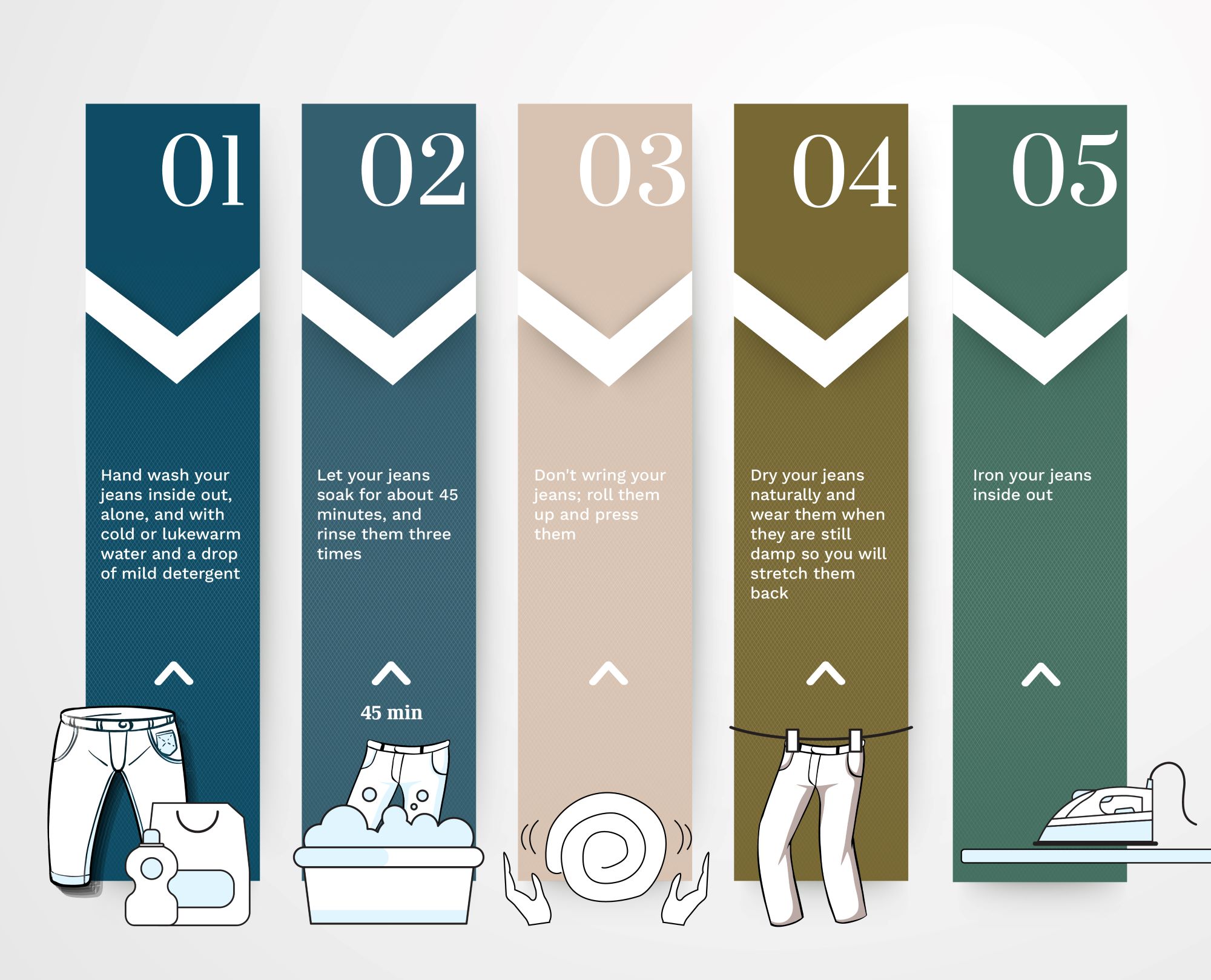
When the time comes to wash them, here are some tips to help you preserve the authentic aesthetic of raw denim. First, avoid using a washing machine; your raw jeans deserve a gentler approach! Instead, hand-wash them in cold or lukewarm water, turning them inside out to protect the color. Soak them for 45 to 60 minutes in water with just a drop of mild detergent (or a mixture of vinegar and a drop of fabric softener). Keep in mind that raw denim is supposed to bleed excess indigo during the first few washes. After soaking, you can brush your jeans to remove dead skin and rinse them two or three times with clean water to ensure all dirt and detergent are washed away.
Avoid wringing out your jeans; instead, roll them up and press gently to remove excess water. Do not use a dryer; allow your raw denim to air-dry, keeping it out of direct sunlight.
To help stretch your jeans back to their original shape, put them on before they are fully dry. Remember that your raw denim may shrink slightly after the first wash. Finally, iron your jeans inside out while they are still a little damp. For 100% cotton denim, use a high heat setting with steam; for stretch denim, opt for a cooler setting. It’s also a good idea to cover your jeans with a cloth while ironing to protect them from damage.
Selvedge denim was the industry standard before mass production took over
Modern denim originated on shuttle looms in the late 1800s. These looms were the industry standard until after World War II, when the rising demand for clothing and the advent of mass production led to the creation of more efficient full-width looms. These new looms worked faster and produced larger fabrics, making selvedge denim rare in the industry from the 1960s onward, and ultimately led to the end of shuttle loom production.
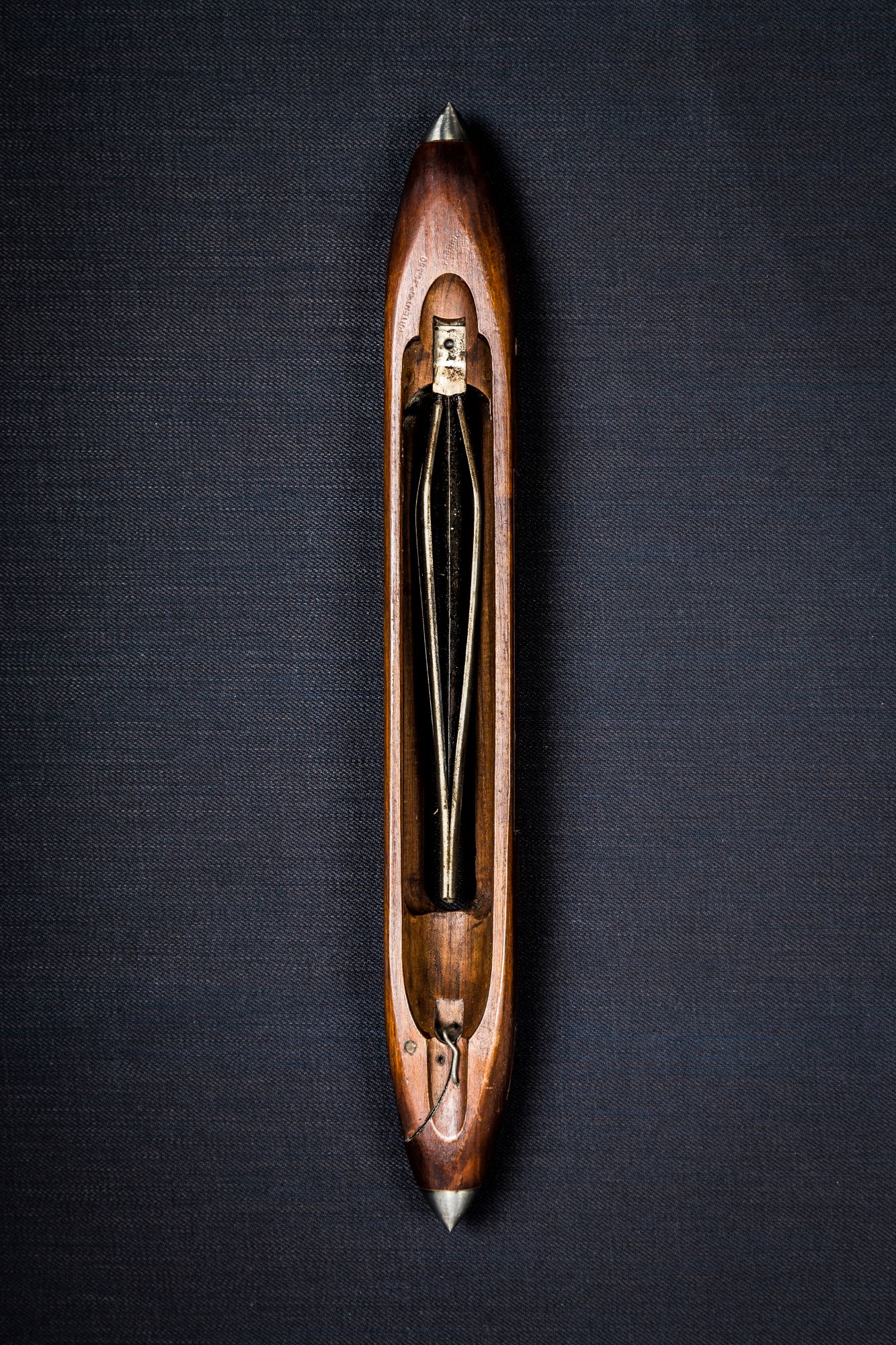
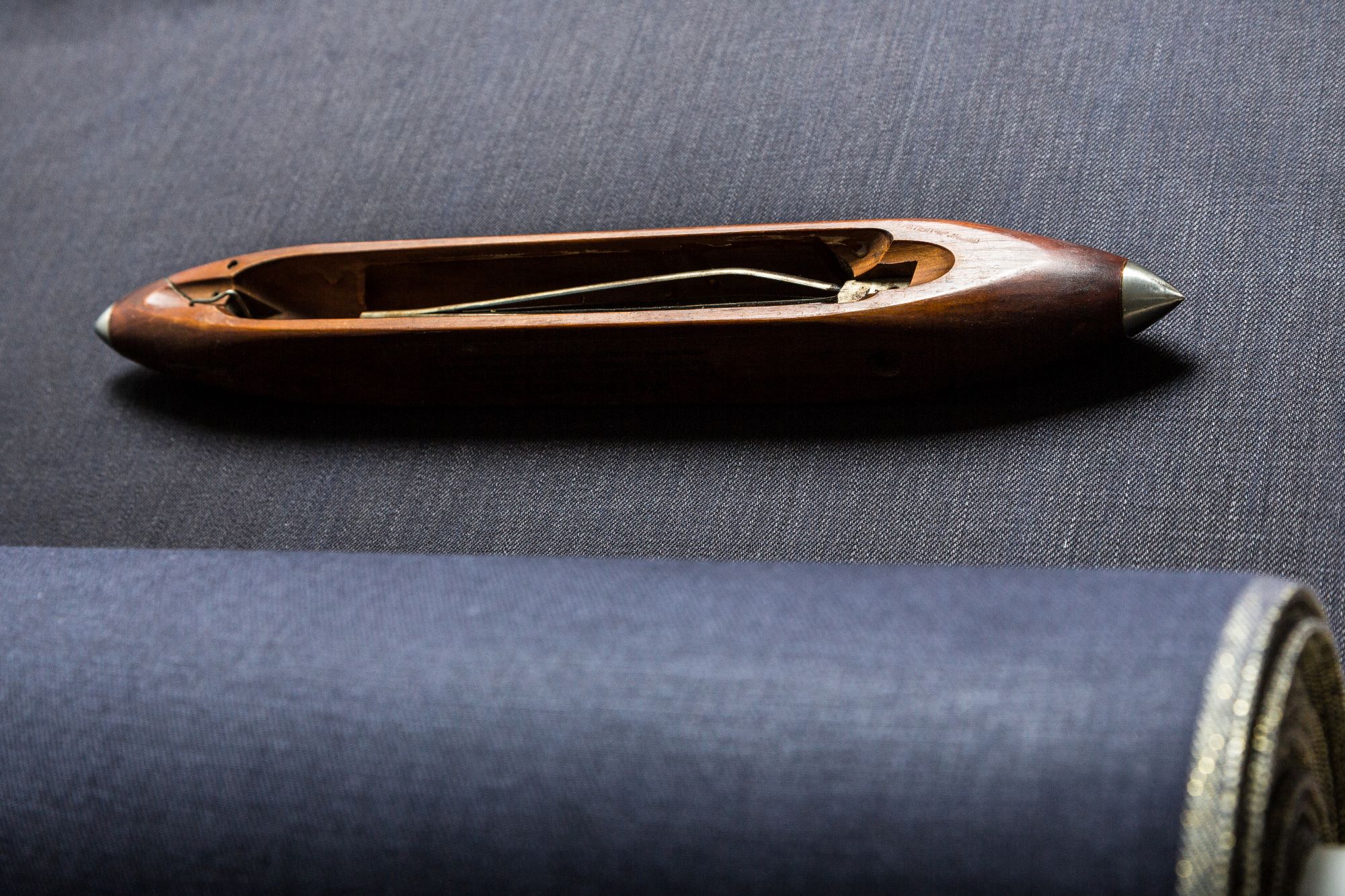
Shuttle looms operate more slowly than full-width looms and use less precise combs, along with a looser yarn tension. This combination produces the characteristic irregular texture of vintage denim fabrics, which are not yet suitable for standardized production that demands uniformity and high volume. However, only shuttle looms create the selvedge border, a feature highly prized by denim enthusiasts as it symbolizes authenticity and tradition. We take pride in preserving the legacy of selvedge denim, which we weave on original vintage shuttle looms while bringing it into the 21st century using our latest raw materials and technologies.
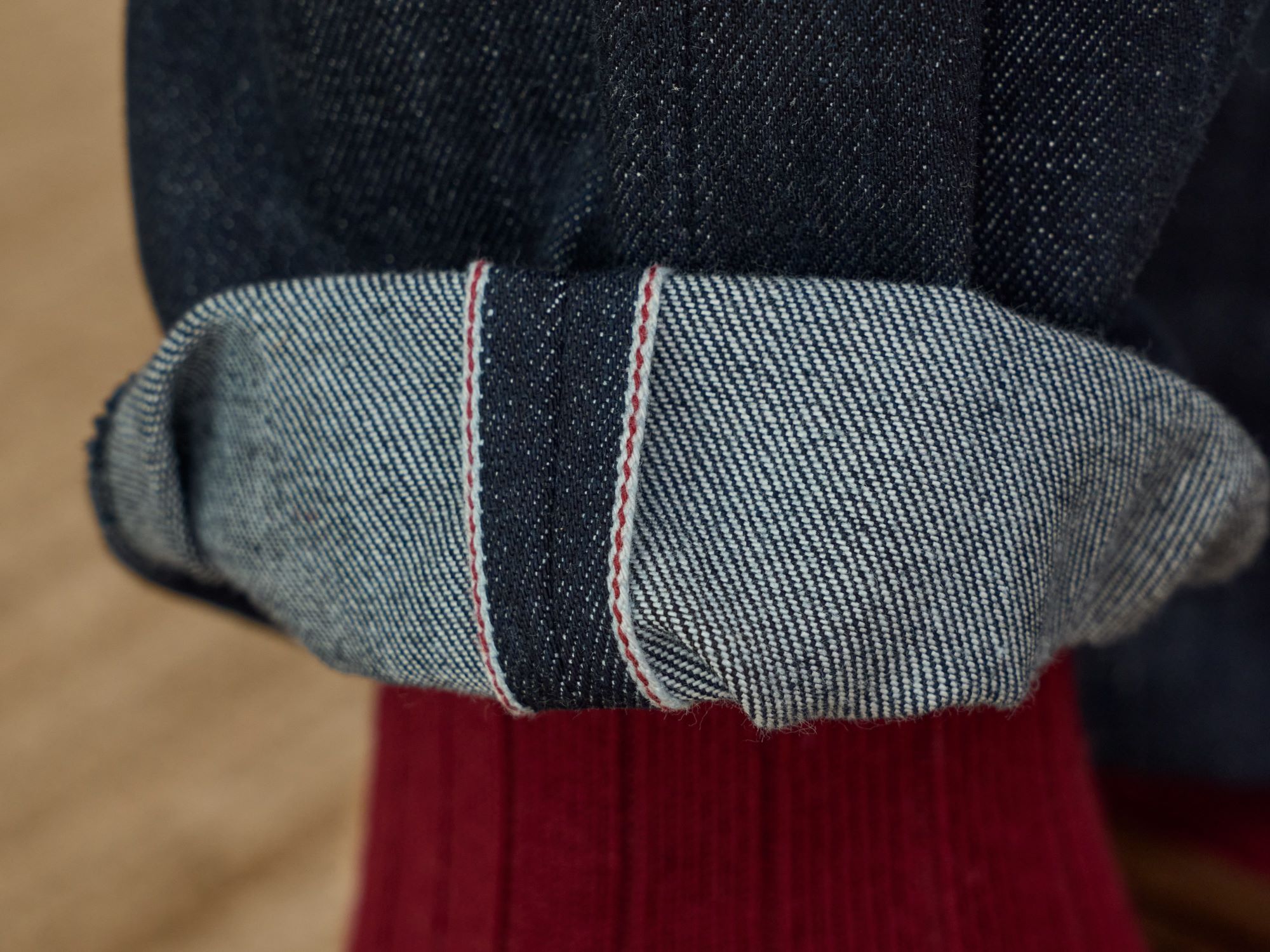
Selvedge refers to the finished edges of the denim fabric, which originally helped prevent fraying. This edge is typically visible on the inseam, which is why selvedge jeans are often worn with cuffs. Selvedge denim typically features a white band with a colored stitch, often red, as it’s the traditional color used by Levi’s®. However, today there is a wide variety of colors and stitching patterns available for selvedge denim.
We are witnessing a resurgence of the most authentic and traditional denim styles, accompanied by an increasing interest in vintage and second-hand jeans. Both raw and selvedge denim align with this trend, moving from a niche fashion choice favored mainly by small heritage brands to a popular option seen in fashion shows and on the street.
A glimpse of the history of shuttle looms
The history of shuttle looms is quite fascinating and dates back to Leonardo da Vinci. In 1495, during his first period in Milan, Leonardo conceptualized and sketched a mechanical weaving loom, theorizing a shuttle that would be operated automatically rather than by hand. The drawing can now be found on page 985 of the “Codex Atlanticus.”
Still, it wasn’t until 1733 that Leonardo’s idea came to life, when English inventor John Kay patented his flying shuttle during the Industrial Revolution. This shuttle was propelled automatically by a paddle, which accelerated the weaving process and allowed for the production of larger fabrics.
Consequently, automated looms, similar to those imagined by Leonardo, began to appear in England in the early 19th century. However, even then, not all of Leonardo’s ideas could be fully realized.
On shuttle looms, the warp yarns (the vertical threads) are set in the loom, while the shuttle carries the weft yarn (the horizontal thread) across the loom. The weft yarn is then beaten together with the warp yarns to form the fabric. The shuttle makes numerous continuous passes back and forth with that single weft yarn, which helps create the finished edges of the fabric.