
 Log into your account
 Register



As the planet faces the threat of suffocating under the enormous amount of plastic waste generated daily, proper recycling practices offer a solution to reduce this waste, conserve natural resources, and promote a circular economy. Recycled plastic can also be utilized in the denim industry to create stretch fabrics with a lower environmental impact. Would you like to learn more?
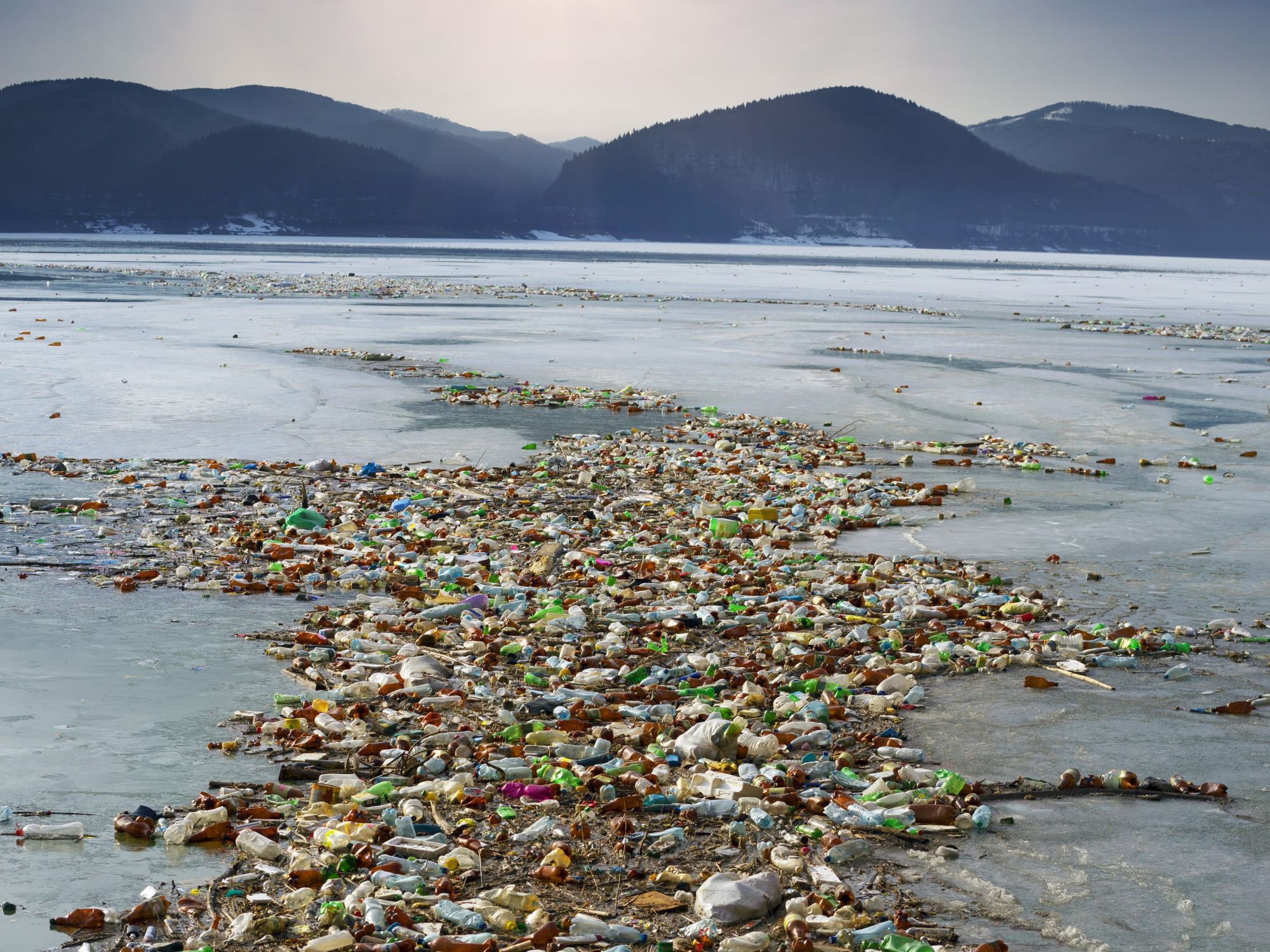
Plastic waste is choking the planet
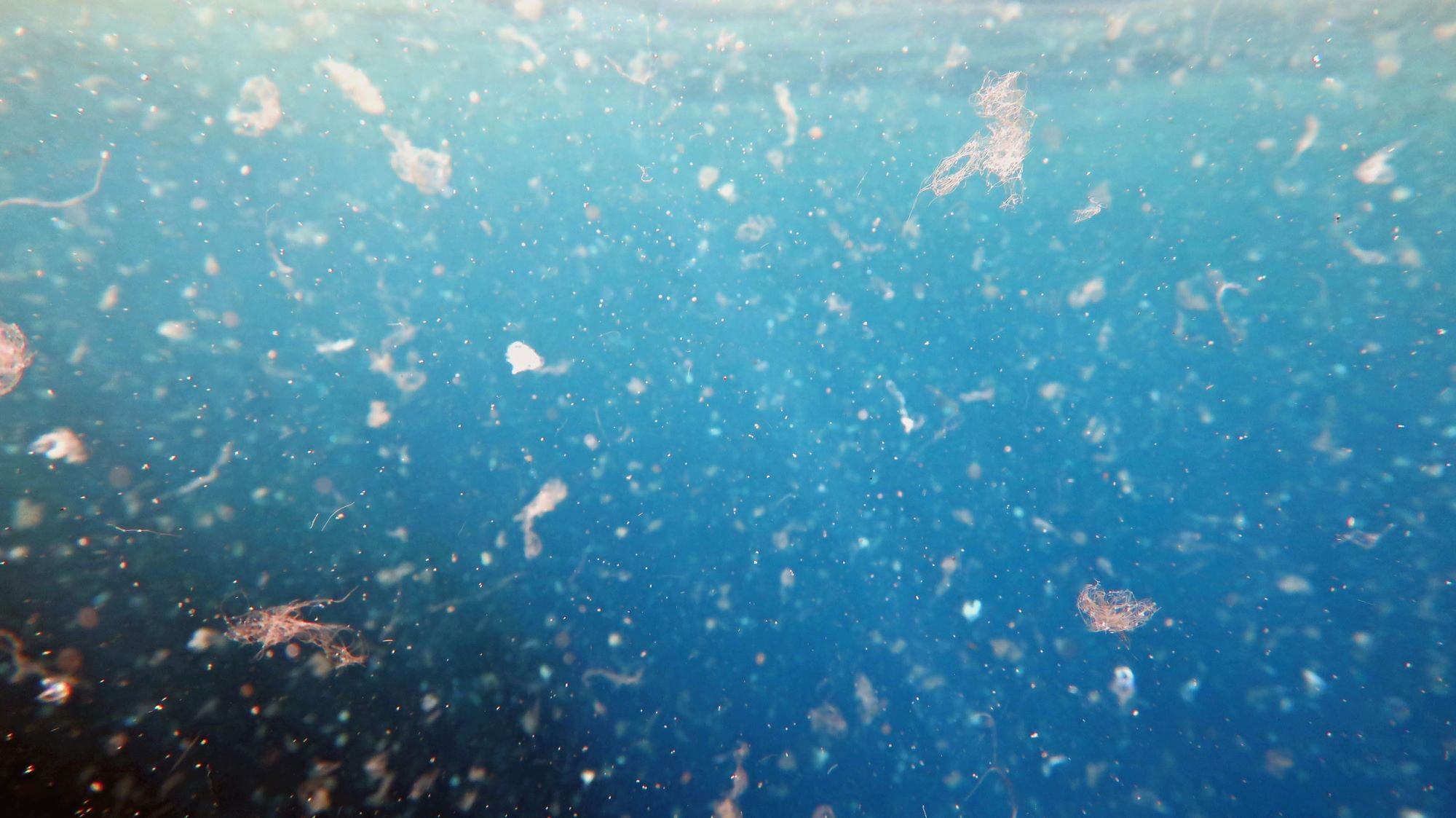
Each year, the world produces a staggering 460 million metric tons of plastic, according to the International Union for Conservation of Nature (IUCN). While plastic serves important functions in our daily lives due to its lightweight, durable, and sanitary properties, it presents a significant environmental challenge. Plastic does not biodegrade; instead, it undergoes photodegradation. This means that when exposed to environmental factors such as sunlight, plastic breaks down into smaller fragments, ultimately forming microplastics that can persist in the environment for extended periods.
The majority of plastic waste is not recycled, leading to its accumulation in landfills around the globe or, more troublingly, in our oceans and natural environments. Microplastics have now been discovered everywhere, from the depths of the oceans to the highest mountain peaks, and they are even present in the air we breathe and the soil used for agriculture. This widespread presence allows microplastics to easily enter the food chain, starting with plankton and moving up to humans. Growing evidence suggests that we consume microplastics daily.
According to the European Commission, nearly 32 million tons of plastic waste are generated in Europe each year, with around 80% of marine litter consisting of plastic. The World Wildlife Fund (WWF) estimates that 70% of marine plastic comes from single-use items, while 20% originates from microplastics. Other concerning statistics from the WWF indicate that:
- 32% of all turtles have consumed plastic, primarily plastic bags that they mistake for jellyfish.
- 90% of seabirds have ingested plastic.
- Over 90% of coral reefs contain plastic debris, which negatively impacts their health and reduces biodiversity.
- Humans consume approximately 2,000 microplastics each year through salt; however, they are also found in tap water, bottled water, and other beverages.
What does plastic have to do with denim?
Elastane is a lightweight synthetic fiber used in the denim industry to create stretch fabrics. Classified as an elastomer, it has properties similar to rubber and is made from polymers, the building blocks of plastics. Invented in the late 1950s, elastane is commonly blended with other fibers in the apparel industry for its elasticity, which allows it to stretch up to 5 times its original length and return easily to its original shape.
Stretch denim was introduced in the late 1970s and gained global popularity in the 1980s. This innovation enabled the creation of more flattering and feminine jeans that enhance body shape while ensuring comfort.
All conventional stretch denim fabrics contain elastane, but they differ in elasticity levels. Comfort-stretch fabrics typically have around 20% elasticity, which is more than twice the natural elasticity of cotton. These fabrics provide exceptional comfort, freedom of movement, and a soft feel. Standard stretch fabrics generally have an elasticity of about 30%, while power- or super-stretch denim is designed for the tightest styles, such as skinny jeans.
We were pioneers in stretch denim manufacturing during the 1980s, excelling at producing comfort-stretch denim fabrics. Our stretch denim combines authentic aesthetics with high performance and played a crucial role in establishing the premium denim industry.
From bottle to jean: circular innovation in action
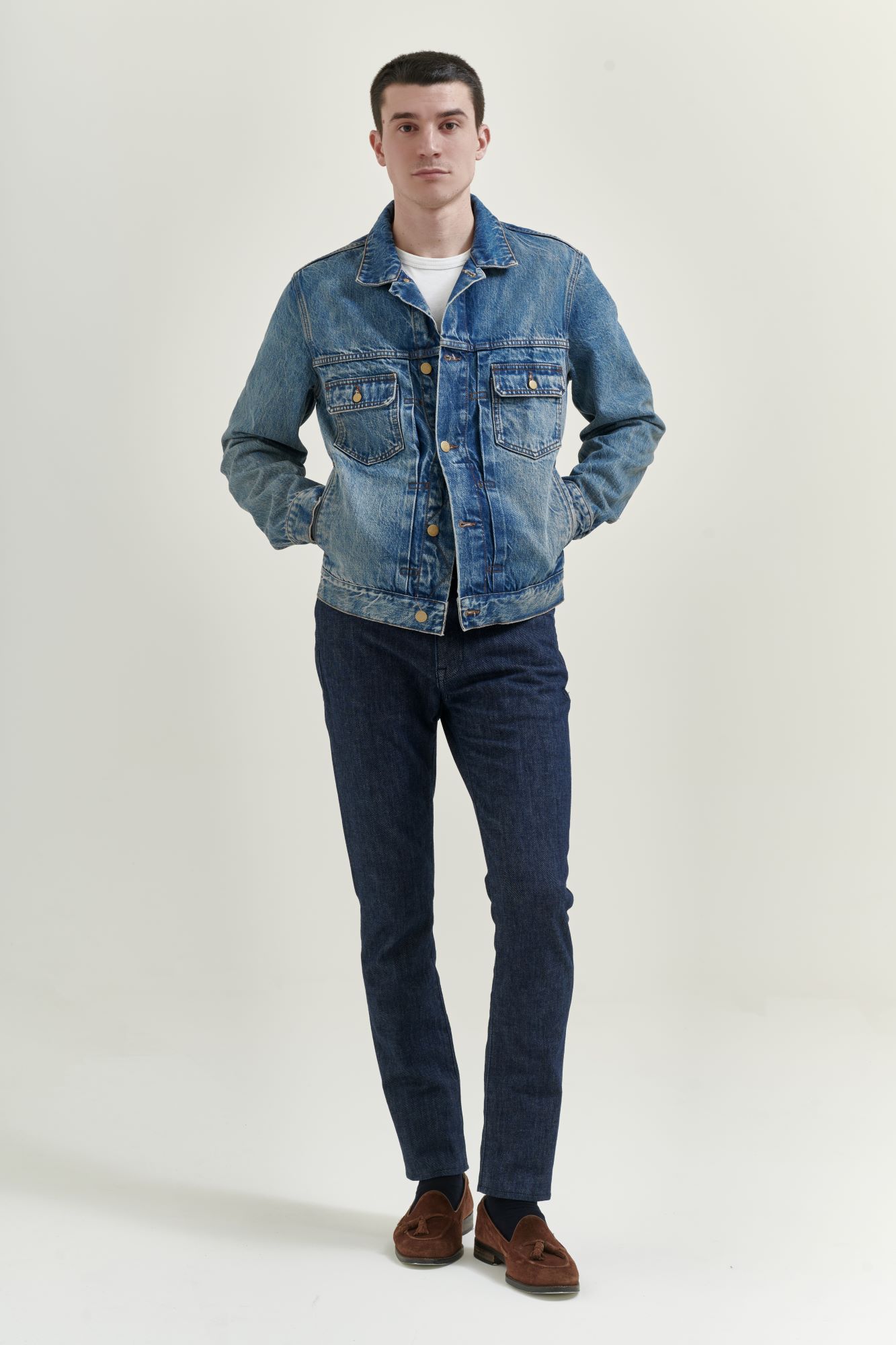
We believe that a collaborative effort by institutions, companies, and consumers is essential not only to reduce the significant amount of plastic waste generated worldwide but also to address the environmental impact of the denim industry. That’s why we recently introduced our Soft Core collection, featuring comfort-stretch denim made from recycled plastic. This collection is distinguished by its unique combination of regenerative Blue Seed cotton and LYCRA® EcoMade.
Blue Seed cotton, our proprietary variety developed by Gowan Seed Company, is known for blending the strength of Upland cotton with the high quality of extra-long staple cotton. Additionally, we utilize LYCRA® T400® EcoMade, a custom high-performance version made specifically for Candiani. This fiber offers lasting comfort, an excellent fit, and exceptional shape retention.
LYCRA® EcoMade is an innovative alternative to the well-known LYCRA® fiber. It is produced from renewable, bio-based materials and recycled plastics, such as PET bottles, that would otherwise end up in landfills, while retaining all the benefits of the original fibers, including comfort, fit, and performance. By recycling materials, we support the circular economy and minimize waste by keeping materials in use for as long as possible, thereby creating additional value.
The benefits of the circular economy
According to the European Parliament, transitioning to a more circular economy offers three main long-term benefits:
- Environmental protection
- Reduction of raw material dependence
- Job creation and consumer savings
Firstly, by keeping materials in use for as long as possible, we can substantially slow the exploitation of natural resources, reduce habitat and landscape destruction, and limit biodiversity loss. These practices can also lower annual greenhouse gas emissions, as the European Parliament estimates that over 80% of a product’s environmental impact occurs during its design phase.
Secondly, while the supply of essential materials is limited, demand continues to rise. This makes recycling raw materials increasingly vital, as it helps mitigate supply-related risks, including price volatility, availability, and dependence on imports. This is crucial for Europe; in 2023, Eurostat reported the total value of trade (including both imports and exports) of raw materials between the EU and the rest of the world was €165 billion. However, exports were lower than imports, resulting in a trade deficit of €29 billion. This shows that some EU countries heavily rely on others for their raw materials.
Finally, the shift to a more circular economy is expected to deliver significant economic benefits for both companies and individuals. The European Parliament estimates that this transition could enhance competitiveness, promote innovation, drive economic growth, and create 700,000 jobs in the EU by 2030. Consumers can expect more durable, innovative products that improve their quality of life and save them money in the long run.