 Log into your account
 Register

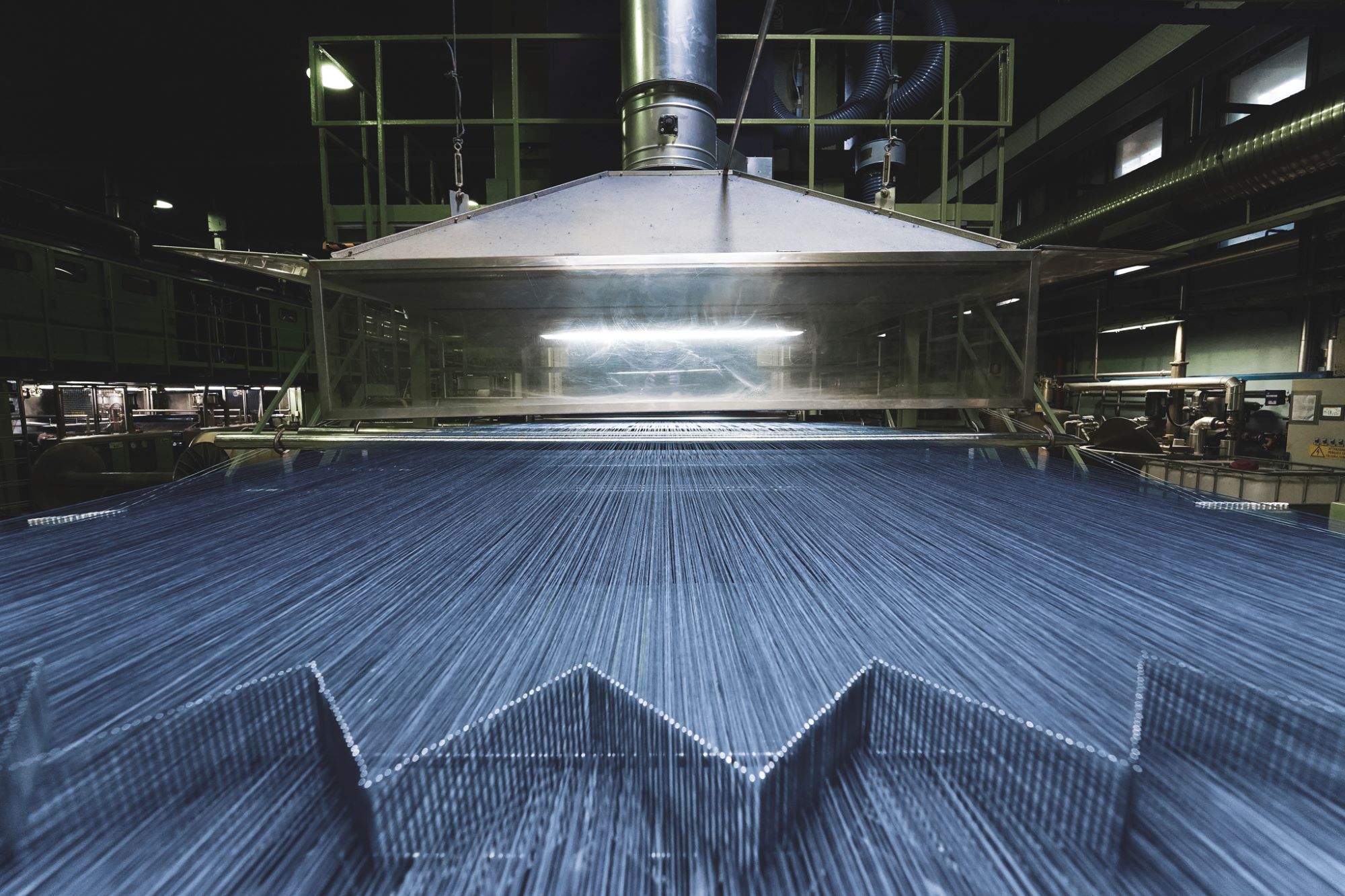


Water has always defined denim: it takes nearly 4,000 liters for the entire lifecycle of just one pair of jeans. From cotton cultivation to domestic washing, every stage of denim’s journey leaves a mark on our planet’s most precious resource. Yet the dyeing stage remains one of the industry’s most water-intensive and polluting processes. This article looks at how Candiani is rethinking its relationship with water—cutting waste, eliminating harmful chemicals, and investing in clean technologies that protect rivers, oceans, and communities. Because every drop counts.
How denim affects water resources
Water is a vital resource in the denim industry, crucial for fabric production. However, the manufacturing process can negatively impact the environment by consuming large amounts of water and potentially releasing hazardous chemicals into wastewater.
Denim water usage occurs at every stage of a pair of jeans’ lifecycle, from cotton cultivation to domestic washing. According to “The Life Cycle of a Jean” by Levi Strauss & Co., the average total water consumption for producing and consuming a single pair of jeans is 3,781 liters.
Additionally, pollution from chemicals and synthetic microfibers (used with cotton in stretch denim) contributes to environmental degradation. These chemicals are used to dye denim fabrics and finish jeans, achieving the desired look and feel. When wastewater is not properly treated or regulations are inadequate, these harmful additives can enter the environment and contaminate rivers, lakes, and even oceans. The European Parliament estimates that textile production accounts for approximately 20% of global water pollution, primarily through the dyeing process.
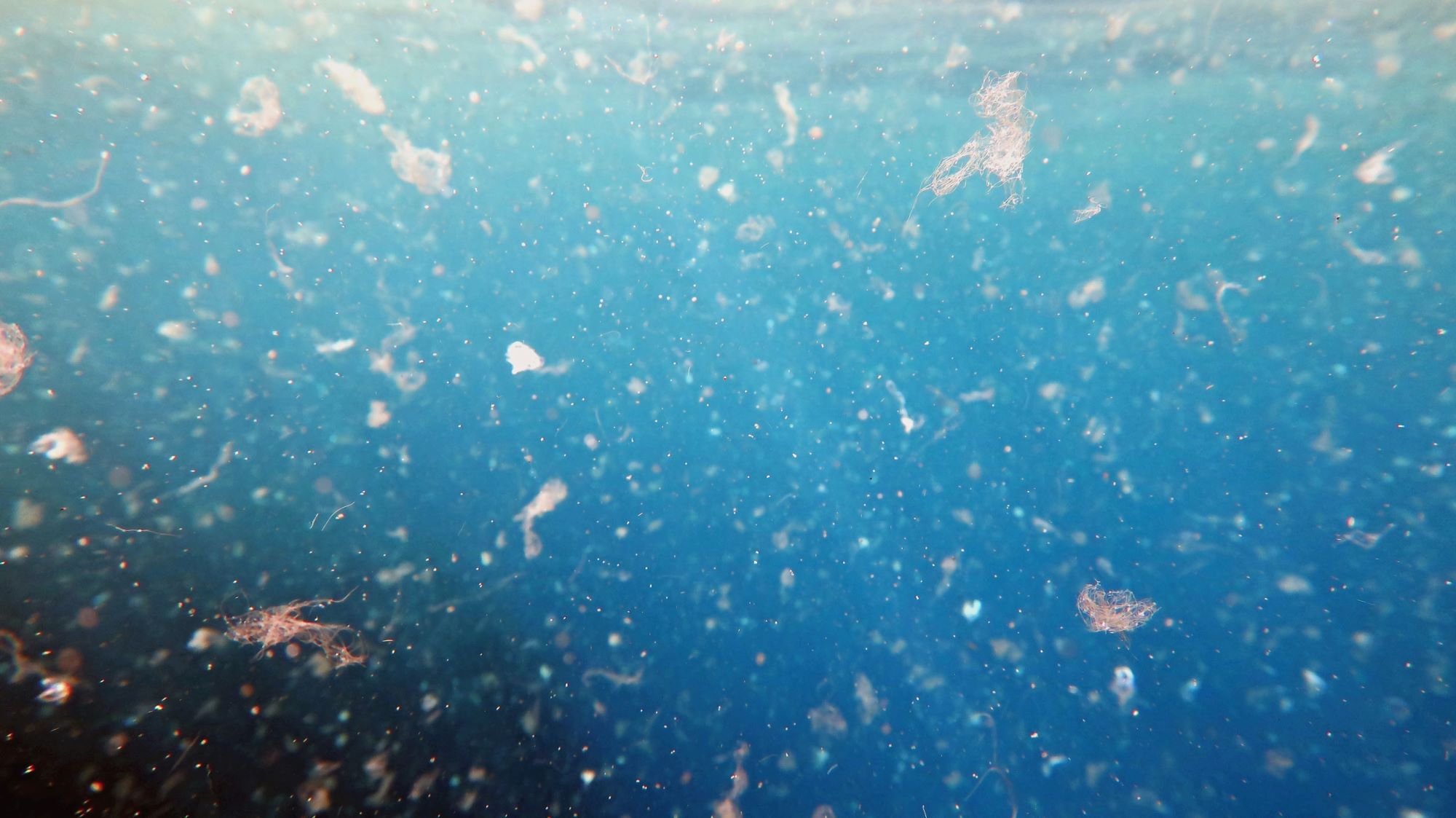
Furthermore, during washing, denim fabrics shed thousands of microfibers. According to a recent research reported by Smithsonian Magazine, a single pair of jeans can shed an average of 56,000 microfibers in one wash. These microfibers can travel long distances through wastewater treatment systems and may accumulate in remote areas. If synthetic, these pollutants pose risks to aquatic life and, ultimately, human health. The United Nations Environment Programme (UNEP) states that about 9% of all microplastics found in the oceans come from microfibers released by textiles.
Candiani’s dyeing innovation
We are dedicated to improving every aspect of our manufacturing process, including our dyeing department, which is among the most polluting areas within the textile industry. Our goal is to reduce both water consumption and chemical use by replacing them with bio-based, sustainable alternatives.
Our latest innovation, Sound Dye, is specifically designed to conserve water in the dyeing process. This technology uses ultrasound to rinse the yarn, generating microbubbles in the water that implode to create powerful shock waves that effectively remove excess unfixed indigo.
Regarding chemical use, we joined the Zero Discharge of Hazardous Chemicals (ZDHC) program in 2017 and formalized our commitment by becoming a contributor two years later. The ZDHC initiative prohibits the use of harmful chemicals throughout the textile production process. Additionally, in 2015, we joined the Detox My Fashion campaign launched by Greenpeace, which encourages the entire fashion industry to eliminate toxic chemicals.
Finally, we have established internal treatment facilities and participate in the local municipality’s wastewater treatment plant. To reduce on-site air emissions, we capture CO2 produced during production and redirect it to our wastewater storage, where it produces sodium bicarbonate and lowers pH. Our discharged water is tested weekly, and the reports are accessible through an internal web portal. Since 2019, all industrial sewage has been sent to an authorized external purifier, preventing any discharges from entering the public sewer system. Although variations in discharged water volumes and ratios to production can occur with changes in product demand, long-term trends indicate a reduction in both metrics.
Benefits of N-Denim and Kitotex®
Our latest technologies for low-impact dyeing include N-Denim and Kitotex®, as well as Sound Dye.
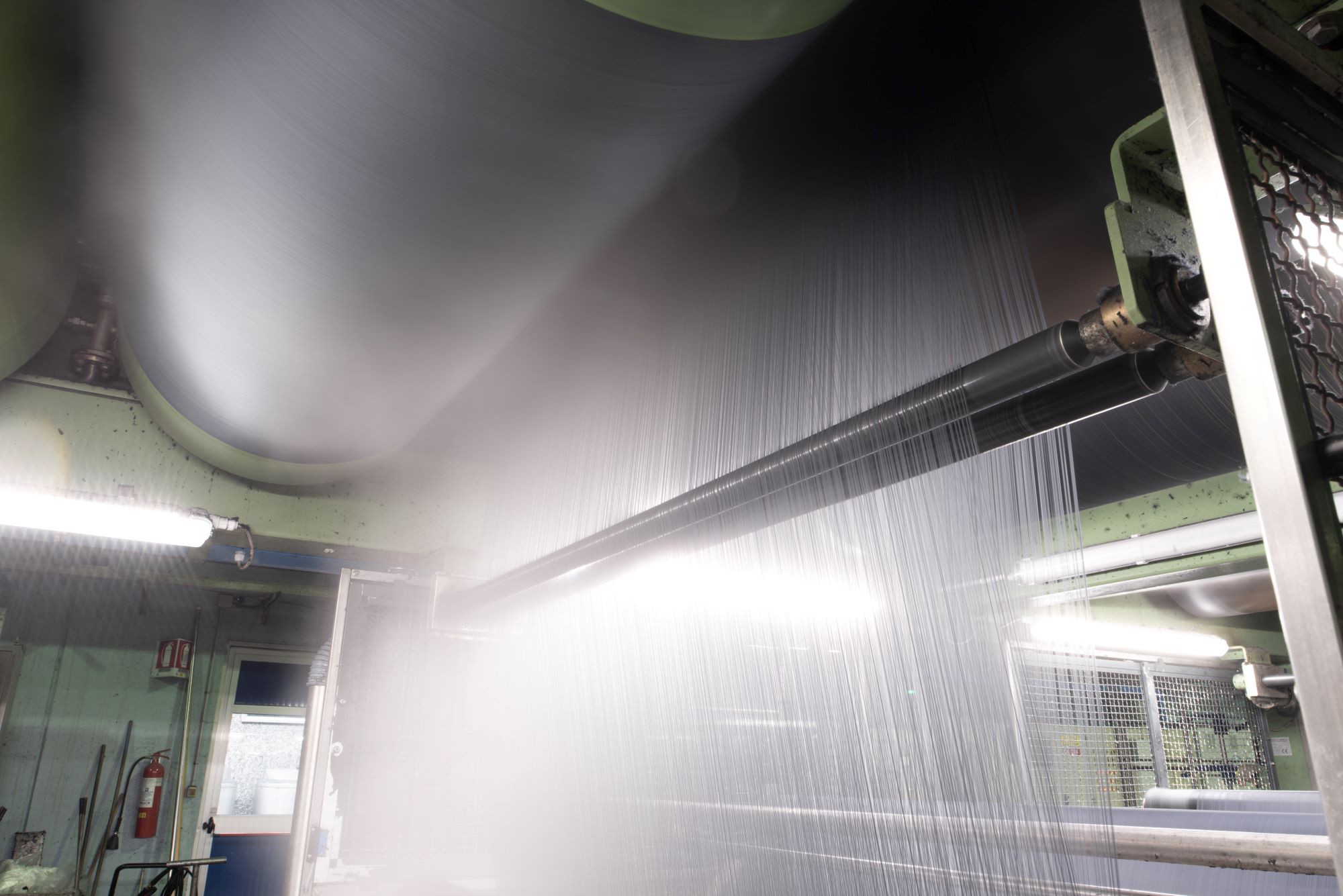
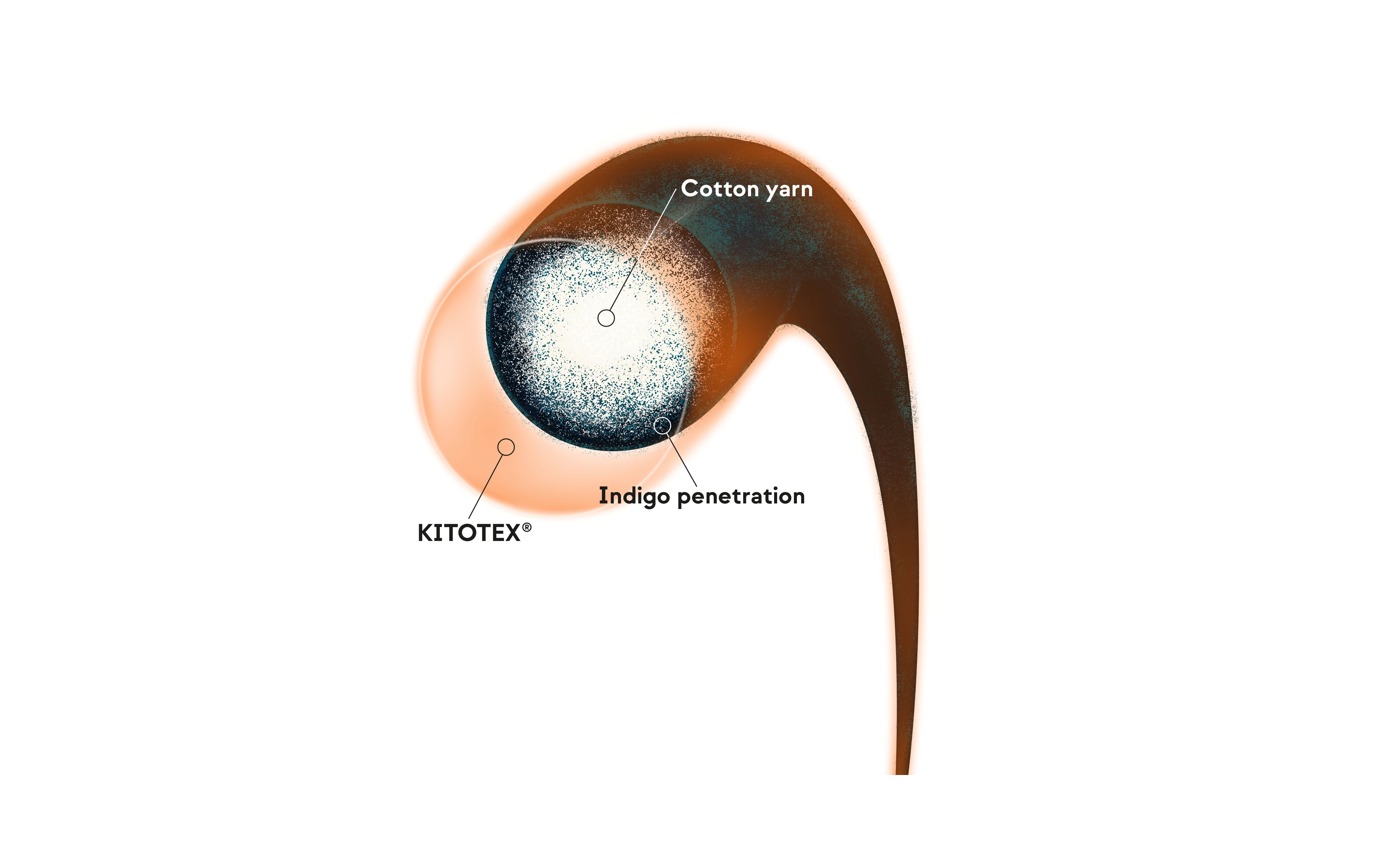
N-Denim is a no-fade technology that enhances indigo penetration into yarn while reducing water and chemical use. Using nitrogen to delay oxidation enables deeper dyeing, resulting in fabrics with clean, fade-resistant jean aesthetics. This method reduces the number of vats from seven to two and avoids harmful chemicals such as hydro-sulfites.
Kitotex® replaces PVA (polyvinyl alcohol) with chitosan, a non-toxic, biodegradable material. PVA is only biodegradable under specific conditions, with research published in the International Journal of Environmental Research and Public Health showing that up to 75% can persist in the environment.
Chitosan is derived from chitin, the second-most-common polymer globally, and is sourced from various renewable materials. We exclusively utilize fungal chitosan derived from Aspergillus niger. Chitosan offers numerous advantages, including:
- Cleaning wastewater by removing pollutants and heavy metals.
- Breaking down organic matter to reduce sewage sludge.
- Acting as a coagulant to facilitate particle removal.
- Exhibiting bacteriostatic properties to inhibit bacterial growth.
- Enhancing color saturation for improved denim aesthetics.
The way forward
We will continue to prioritize research and development to enhance our product and process innovation while minimizing our environmental and social impact. The dyeing and finishing processes are the most water-intensive, accounting for 57% of our total water usage and over 90% of the wastewater generated at our headquarters in Robecchetto con Induno. Therefore, these processes are central to our research and development efforts, along with sourcing responsible ingredients.
Although we are not located in a water-stressed region, as indicated by the Water Risk Atlas, sustainable water management remains crucial. We are committed to finding the best technological solutions to improve water efficiency.
Additionally, we have implemented a new internal procedure for chemical management. Before approving any new chemical product, we ensure it meets standards such as GOTS (Global Organic Textile Standard) and ZDHC’s MRSL (Manufacturing Restricted Substance List). We only purchase chemicals that comply with our Restricted Substances List (RSL). Upon arrival, these chemicals are logged in our management portal, labeled with essential details, and tracked in real-time. Safety Data Sheets for all chemicals are readily accessible to ensure worker safety.