 Log into your account
 Register



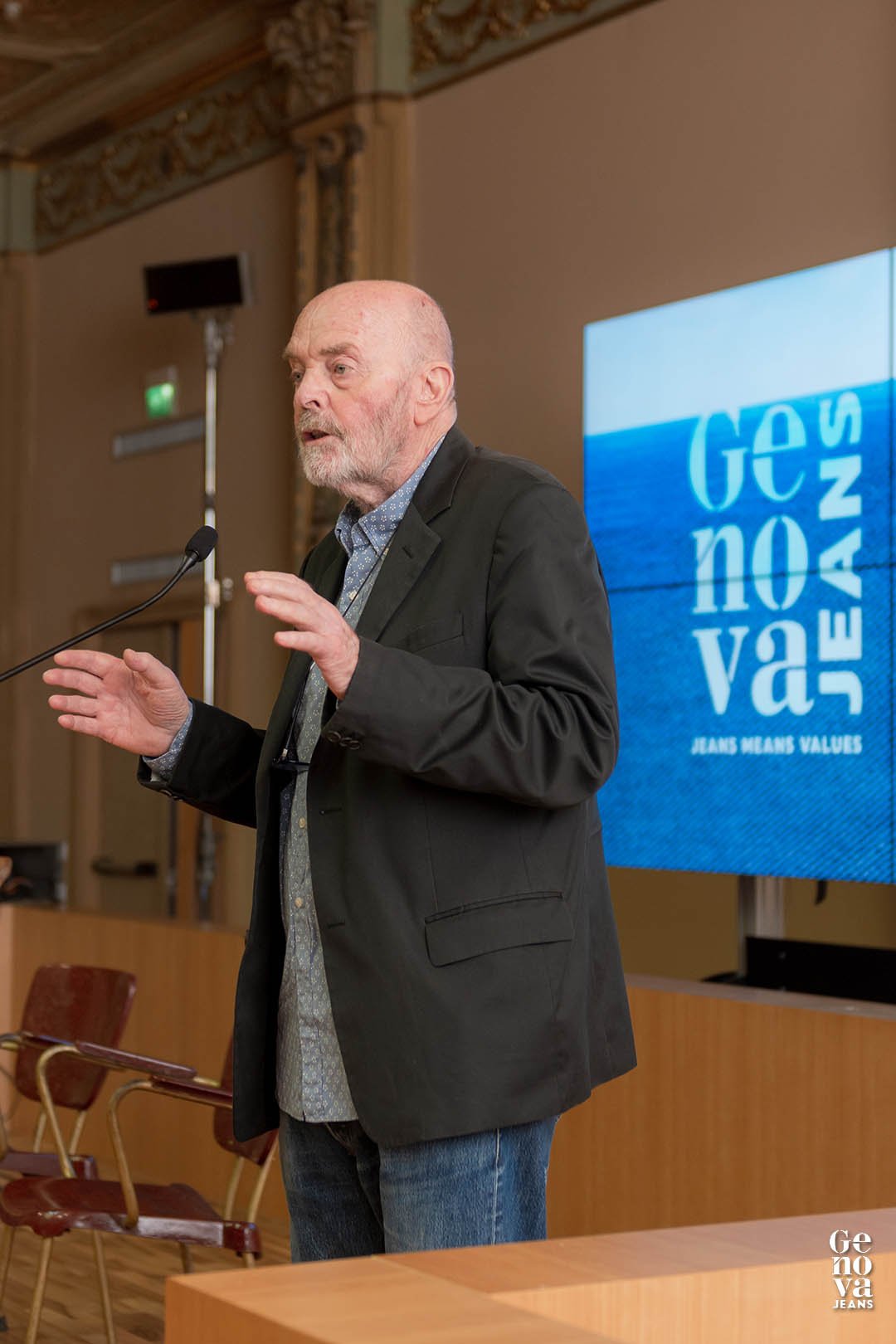
Adriano Goldschmied was known as the “Godfather of Denim.” He earned this nickname by transforming jeans from simple commodities into highly sought-after fashion items worldwide, pioneering premium denim. In this article, we aim to honor his remarkable contributions to the industry and celebrate the Italian designer who passed away on April 5, 2026, in Castelfranco Veneto (Treviso) at age 82.
From Ivrea to California: the life of Adriano Goldschmied between Italy and the United States
Adriano Goldschmied discovered jeans by observing U.S. soldiers after World War II. He referred to them as “the garment of heroes.” Born on November 29, 1943, in Ivrea, near Turin, he came from a family with Jewish roots from Trieste. He was named after Adriano Olivetti, an influential 20th-century Italian entrepreneur, engineer, and politician whom his father greatly admired.
How Adriano started transforming the denim industry in the 1970s
In the early 1970s, Adriano was encouraged by a friend to sell imported jeans outside a popular nightclub. This venture led him to open the King’s Shop in Cortina d’Ampezzo, located in the Belluno area, in 1972. The shop quickly became a go-to destination for rare and fashionable clothing among an international and affluent clientele. It was here that Adriano recognized a market willing to pay a premium for unique items, giving rise to the concept of premium denim. He began producing his first jeans in Italy in 1973, which helped establish a denim district in Veneto, now one of the most significant worldwide.
In 1974, Adriano launched Daily Blue, a denim label featuring new fits and colors, but particularly priced at a higher point. This was a key step in elevating jeans from utilitarian garments to premium fashion items. In 1981, he founded the Genious Group in Asolo, near Treviso, a creative collective that allowed designers to focus on creativity while providing the resources necessary to launch and sustain their own brands. This initiative led to the emergence of many important names in the denim industry, including Renzo Rosso, the founder of Diesel, and Claudio Buziol, who launched Replay.
“A characteristic of my personality is that when I achieve success, I tend to walk away,” Adriano shared with Sourcing Journal Denim. This perspective has shaped his impressive 50-year career in the denim sector, marked by numerous creations and partnerships in both Italy and the United States. His labels and collaborations include renowned denim brands such as 1969 for Gap (1998), AG Adriano Goldschmied (2000), Goldsign (2005), and Citizens of Humanity (2007).
The last years spent in the pursuit of zero-impact jeans
After spending his life between the Northeast of Italy and California, Adriano decided to spend his final months in Asolo. However, he never stopped working on new projects and remained deeply interested in innovative technologies and alternative materials. His latest obsession, which he described as “the challenge of the new century,” was to create zero-impact jeans.
Adriano’s awareness of the significant environmental and social impact of fashion emerged when he shifted to consulting following his international success. During his travels across the United States, Japan, and China in the late 1980s and early 1990s, he realized that the fashion industry was heading in the wrong direction, particularly with the rising trend of denim finishes.
In 1992, he co-founded Agolde at a time when sustainability was not yet a priority for most people, establishing himself as a pioneer in promoting responsible production within the premium denim industry. In 2023, Adriano also relaunched Daily Blue, but with a more contemporary approach. The brand celebrates its origins in the 1970s while advancing its vision through refined, elevated designs that prioritize sustainability and innovation.
His unparalleled contributions in the denim industry: how jeans became premium
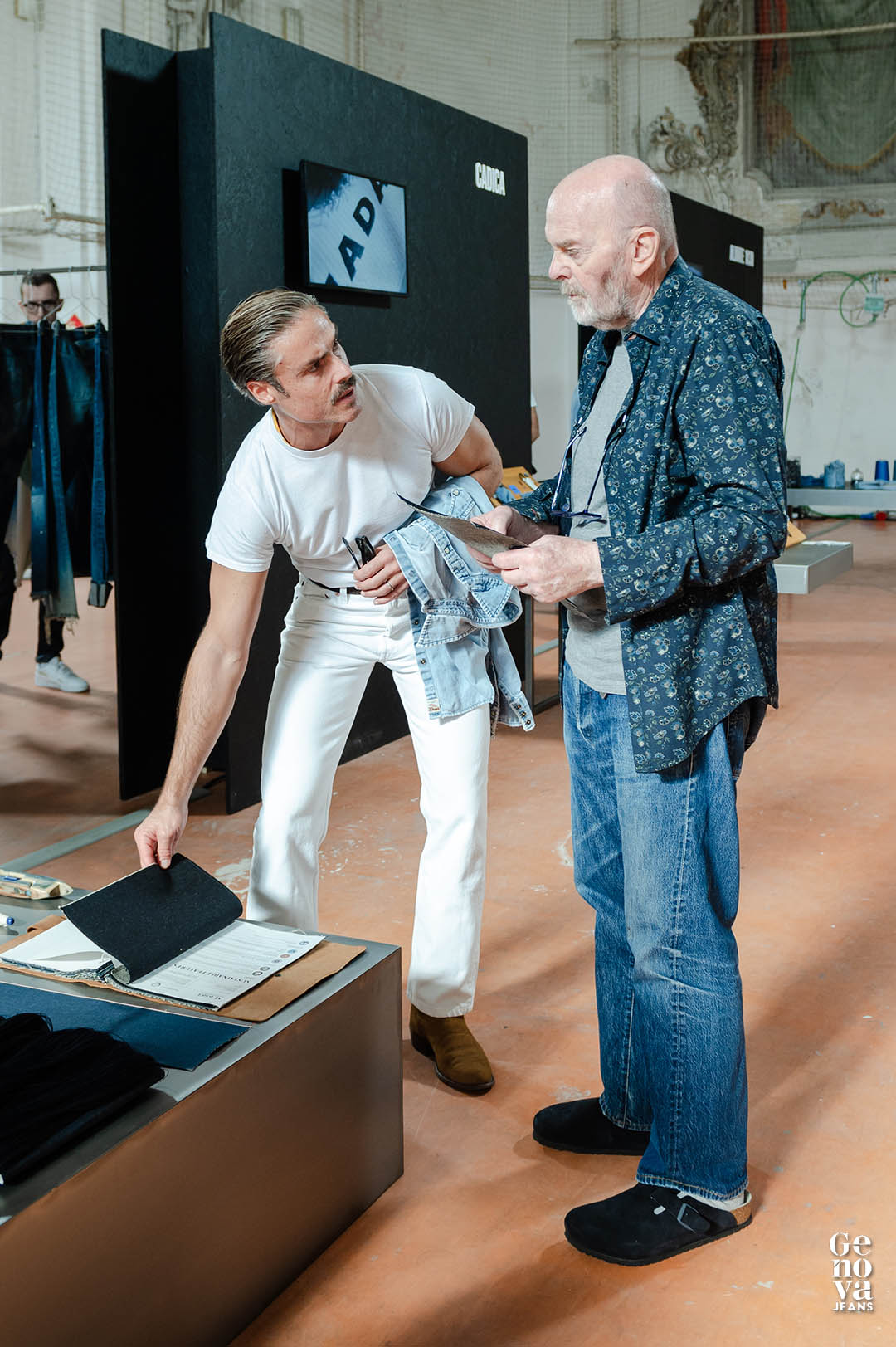
Adriano Goldschmied was the first to recognize that jeans could evolve from a basic staple garment into a symbol of culture, identity, and innovation. His impact as a denim innovator extended beyond just creating the concept of premium denim; he played a crucial role in developing stretch denim, introducing new fibers like lyocell into the industry, and popularizing techniques such as stonewashing. Moreover, he was a pioneer in adopting more sustainable production methods to reduce denim’s impact on the planet.
Despite not being formally educated as a designer, Adriano embraced experimentation, research, and development as an outsider. He often reflected on his journey, noting that he lacked formal preparation but would purchase high-priced fabrics from a store in his hometown and collaborate with his trusted tailor to create garments. “The product was extremely expensive, and in some way, I accidentally created premium denim,” he explained. His relentless curiosity and desire to learn set him apart, as did his commitment to mentoring emerging talents. Adriano was also renowned for his generosity and openness, dedicating his time to anyone interested in denim or to those striving to enhance the industry, while cultivating lasting relationships within the fashion world.
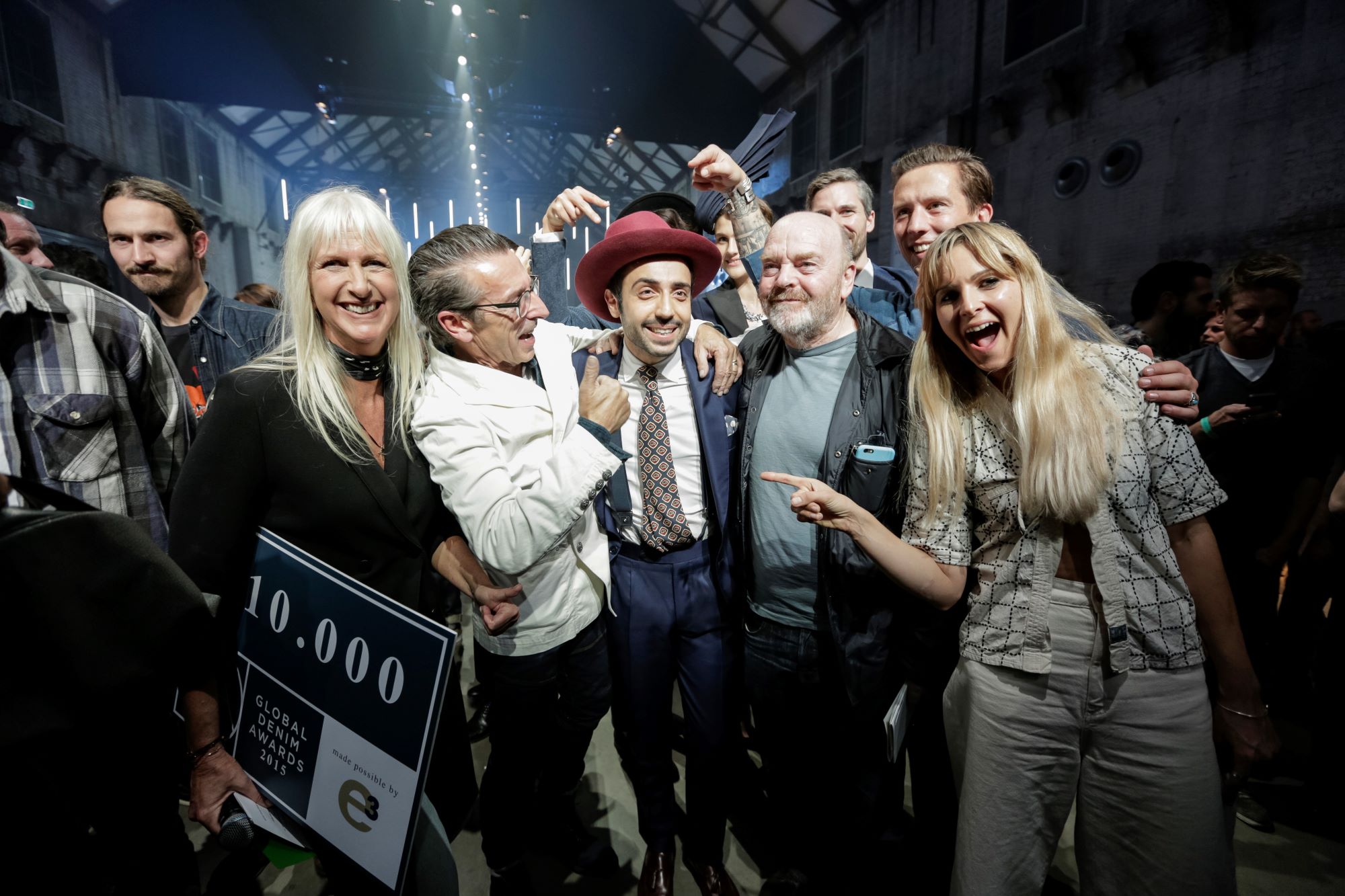
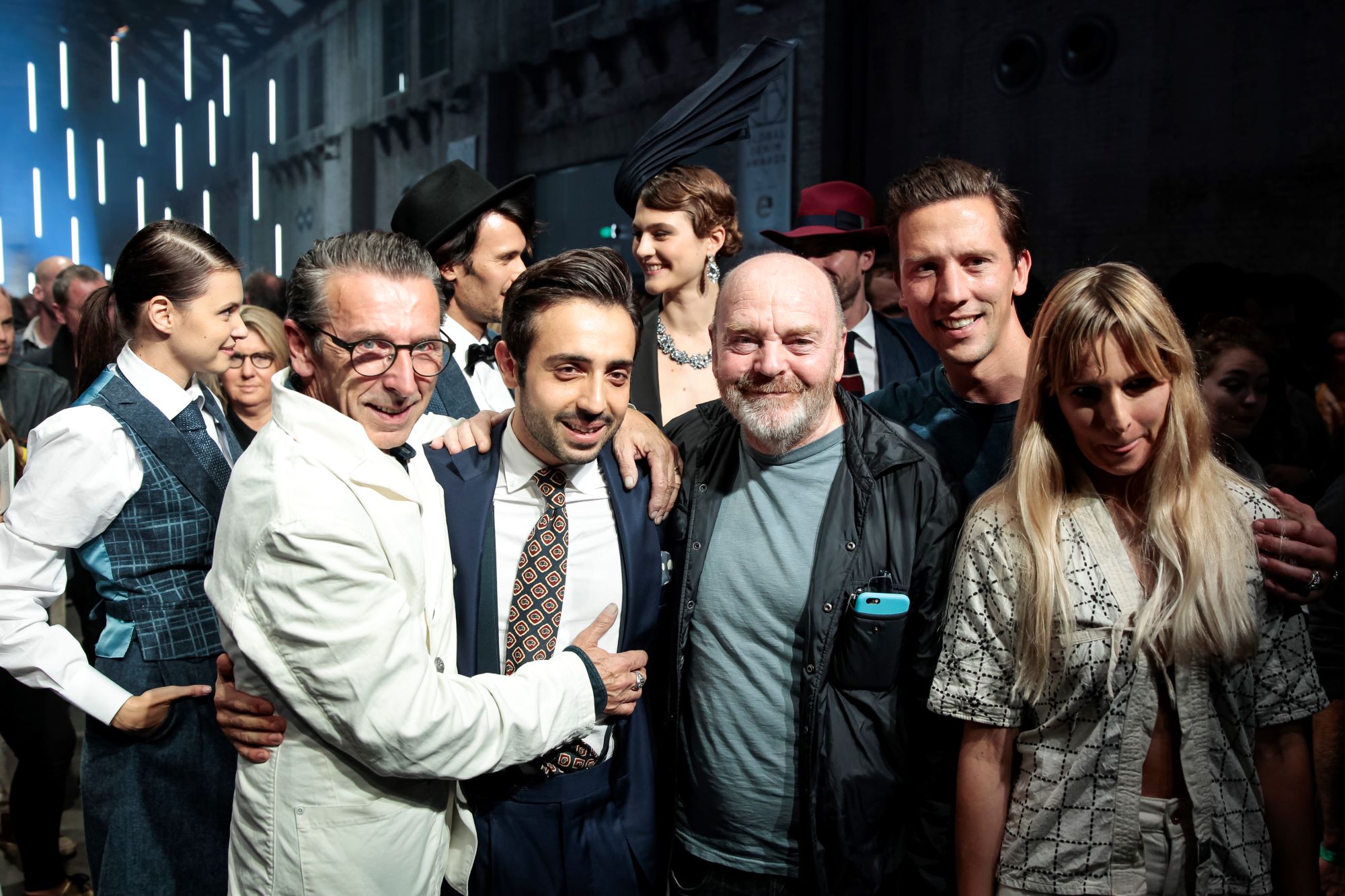
We are profoundly grateful for his unparalleled contributions to the denim industry and his unwavering commitment, even in recent years, to making it more innovative, higher quality, and more environmentally friendly. His passion for high-quality materials and craftsmanship, attention to detail, carefully curated aesthetics, and pursuit of innovative techniques have always shone through. Adriano consistently looked toward younger generations and fresh ideas, as evidenced by the photograph below: Adriano is captured celebrating the collection we co-created with Andrea Diletto, a talented Milanese tailor, after winning the Global Denim Awards in 2015. This unforgettable moment highlighted the excellence of Italian craftsmanship.