
 Log into your account
 Register

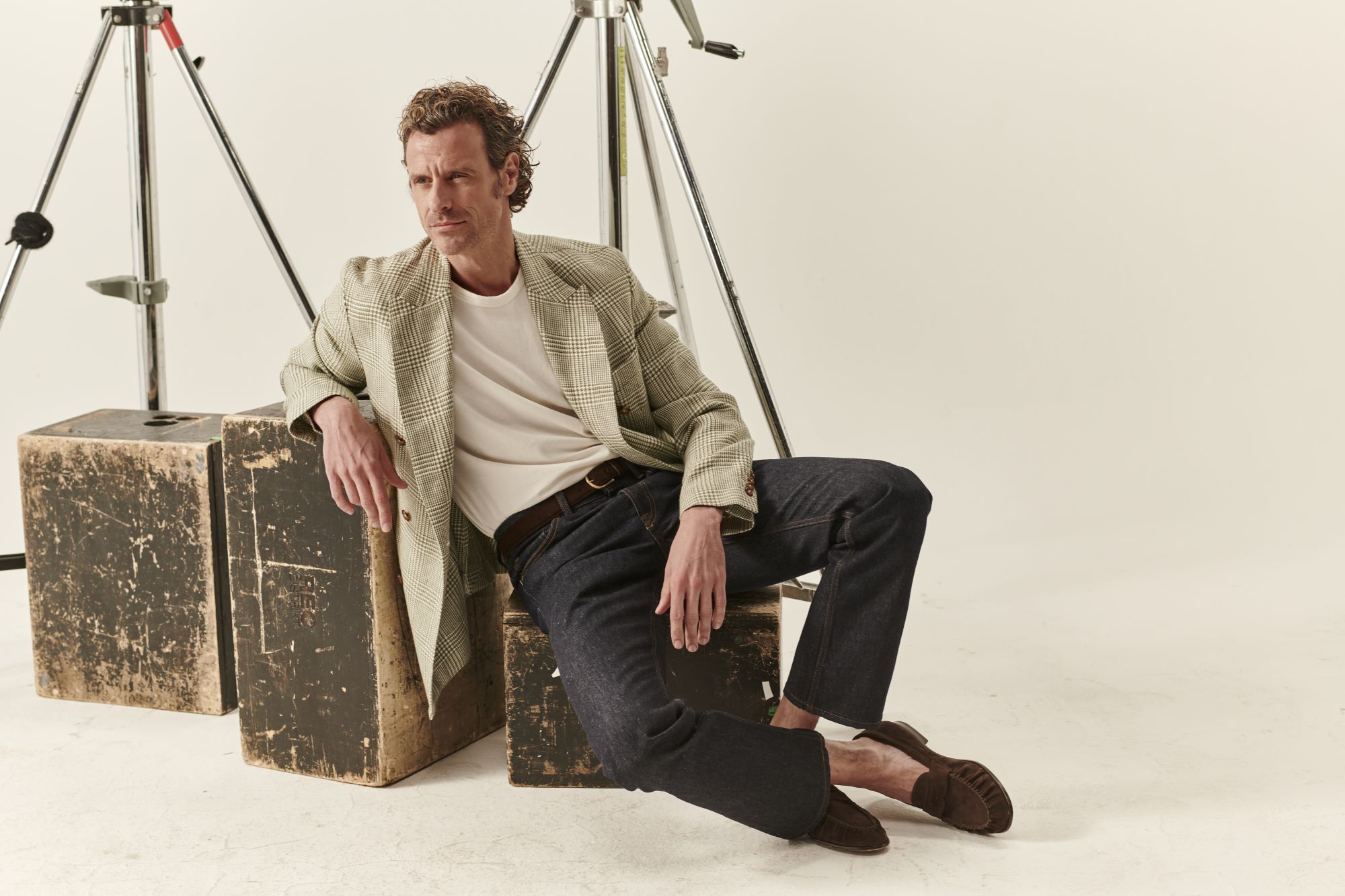


We are so accustomed to wearing jeans that we often overlook the differences in denim fabric types, aside from the most obvious one: color. However, denim fabrics can vary in several important ways. Here, we will highlight the key factors to consider when choosing denim materials.
Raw denim vs washed denim
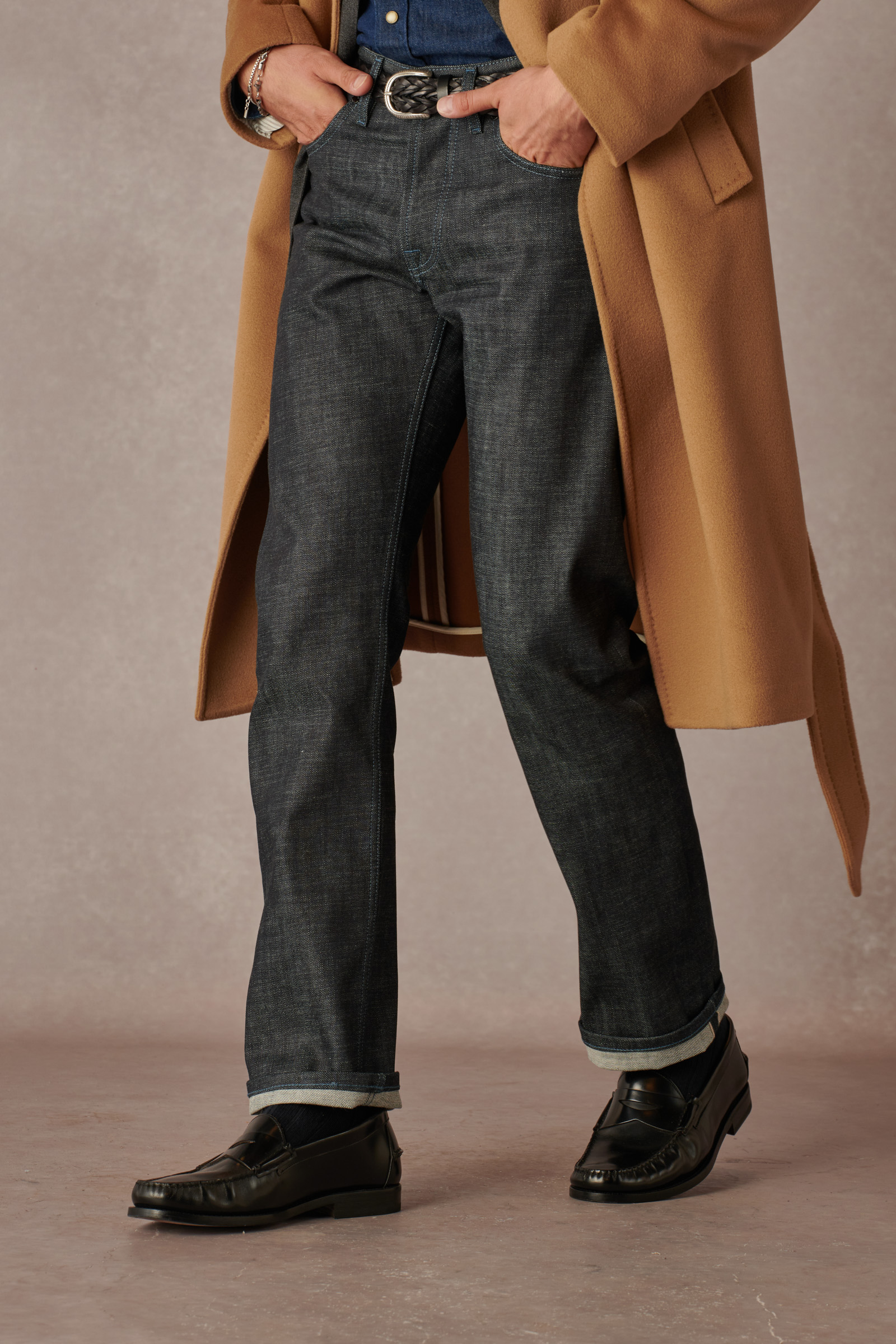
Raw denim, also known as dry denim, is the fabric in its purest form, as it comes straight from the loom. It is unwashed and untreated, typically featuring deep indigo hues. One of the unique characteristics of raw denim is its tendency to fade over time. As the upper layer of indigo wears off, it creates distinct effects like whiskers and other signs of wear that tell your personal story—revealing how you sit, which pocket holds your valuables, and whether you prefer cuffs.
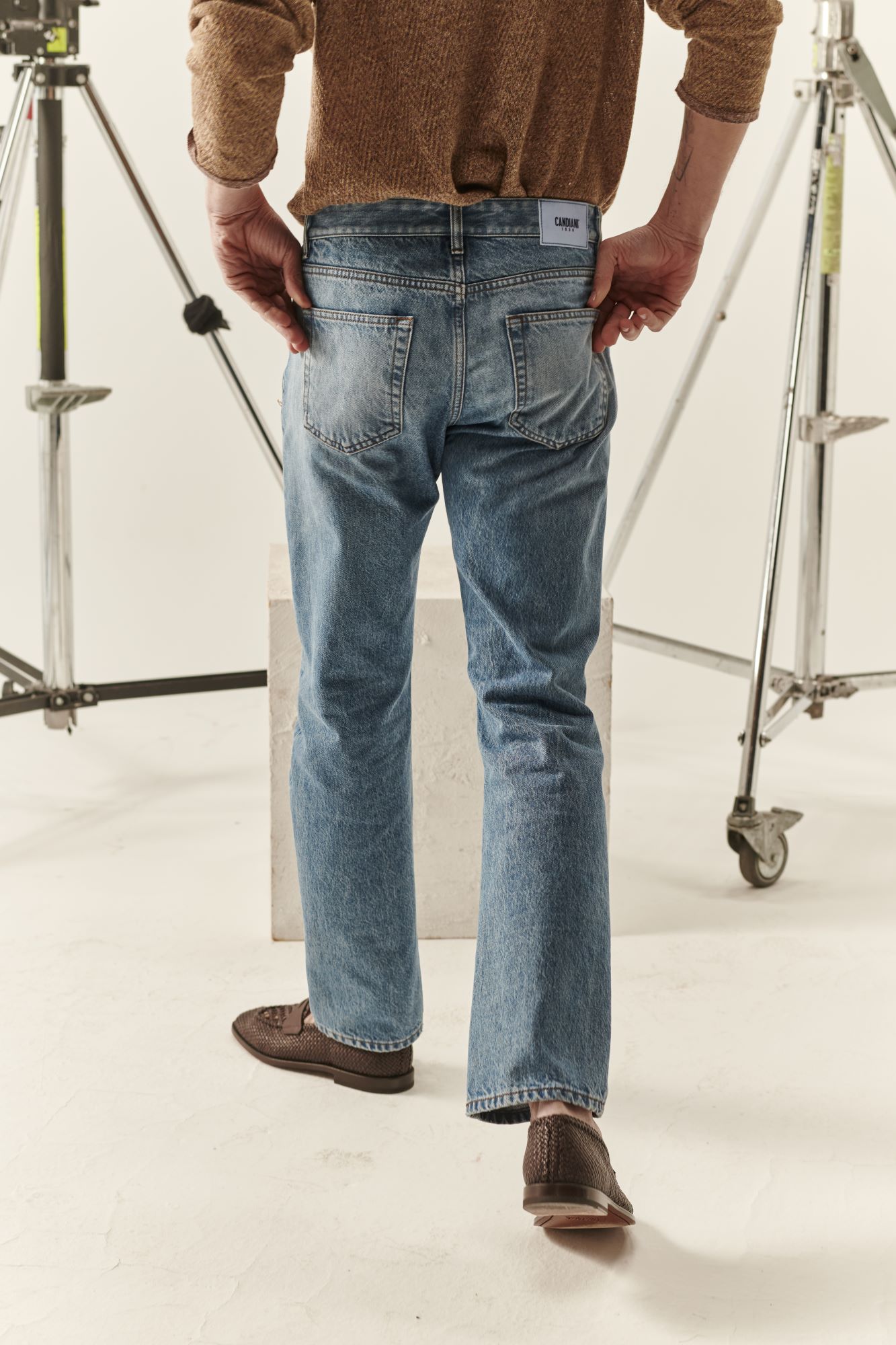
In contrast, when we think of contemporary jeans, we often envision washed denim. This type of denim is treated after the garment is cut and sewn to achieve a specific look and feel. The washing process can range from dark to light shades, with subtle fading to dramatic distressing, to replicate the natural wear found in raw denim and create a vintage aesthetic.
There is no definitive answer as to which type of denim is better; it ultimately depends on personal taste and preference. Raw denim is the most authentic and traditional option, but it may feel stiff and rough at first. However, with regular wear, it breaks in and molds to your body, becoming comfortable and uniquely yours. On the other hand, washed denim is soft from day one, providing immediate comfort.
Selvedge denim
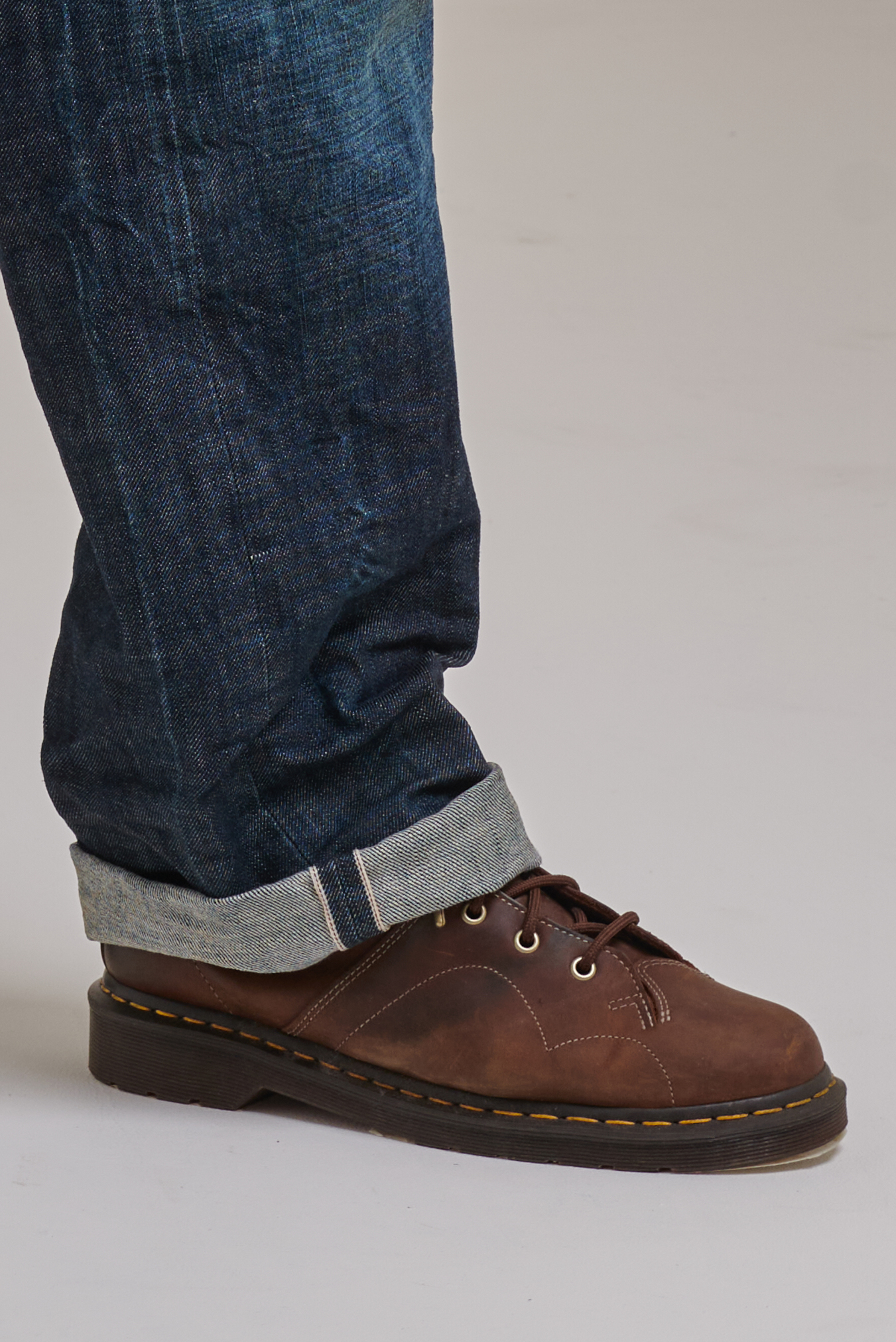
Selvedge denim is produced using shuttle looms, in which horizontal threads, known as the weft, are woven back and forth across vertical threads, called the warp. The weft yarn is then pressed together with the warp yarns to form the fabric. The shuttle makes multiple continuous passes with a single weft yarn, which contributes to the finished edges of the fabric, known as selvedge.
The selvedge is the edge of the fabric that prevents fraying and is typically thicker than the rest of the denim. Many people think of it only as a white band with red stitching, which are the colors Levi’s® made famous. However, there are no fixed rules regarding the hues of selvedge denim, which is now available in a wide variety of designs.
Today, selvedge denim is quite rare, as shuttle looms were largely replaced in the 1960s by more efficient full-width looms to satisfy the soaring demand for jeans. While these modern looms can work faster, produce larger pieces of denim, and weave more uniform fabrics—features that make them ideal for mass production—selvedge denim remains highly valued by enthusiasts for its authenticity.
What’s interesting is that the history of selvedge denim connects three countries that seem quite different and distant: Italy, the United States, and Japan. Selvedge denim, like denim in general, originated from the Genoese fustian used by sailors and port workers to create durable workwear. It later made its way to California, where Jacob Davis and Levi Strauss patented the first modern blue jeans. Eventually, as American brands began mass production, the Japanese, who had become familiar with the jeans worn by U.S. soldiers during World War II, began to create perfect replicas of those garments, which were, of course, selvedge.
Stretch denim
Stretch denim is one of the most common types of denim fabric available today. It was introduced to the industry in the late 1970s by blending cotton with elastane, creating form-fitting yet comfortable jeans for women. However, it truly reached its peak popularity in the following decade and became the foundation of premium denim.
Stretch denim has captured a significant portion of the market due to its numerous advantages, such as creating flattering silhouettes and more feminine designs that enhance the body’s shape. Its versatility allows for a wide variety of fits that cater to different body types and styles. Additionally, stretch denim is generally more comfortable and softer than rigid denim from day one. This softness provides greater freedom of movement from the very first wear. Finally, stretch denim is known for retaining its shape over time and recovering its form easily after use and washing.
We know that the term “rigid” may carry a negative connotation, suggesting discomfort and inflexibility. However, in the denim industry, it simply refers to fabrics that do not contain elastic fibers. Rigid denim is primarily made from 100% cotton, but there are also options that incorporate blends of other natural and synthetic fibers, such as wool, linen, and hemp.
It’s important to note that synthetic fibers, such as elastane, can break down more easily than natural fibers like cotton when of poor quality, which may lead to overstretching of the denim. Therefore, investing in high-quality stretch denim is essential for durable garments that maintain their shape even after multiple wears.
Sustainable denim fabrics
Discussing sustainable denim fabric types may seem vague, and it could easily fill a series of dedicated articles rather than just a few paragraphs. However, we will try to summarize the most important information. Sustainability in denim manufacturing can be addressed on two levels: the process and the product.
Cotton is the primary ingredient in denim materials. However, its cultivation can have significant environmental impacts, including excessive water consumption and massive use of pesticides and fertilizers, if sustainable methods are not employed. Preferred fibers include those grown using environmentally and socially responsible methods, such as organic and regenerative cotton, which should form the foundation of sustainable denim fabrics. Additionally, we must consider the greenhouse gas emissions associated with transporting cotton; therefore, sourcing it as close as possible to the denim production facility is essential.
Recycled fibers represent another valuable option for sustainable fabrics, helping to promote a circular economy. This concept aims to ensure that raw materials are not just extracted, processed, consumed, and discarded, but instead are utilized to their fullest potential. Products should be designed to last as long as possible and then recovered and regenerated through practices such as sharing, leasing, reusing, repairing, refurbishing, upcycling, and recycling.
Denim manufacturing processes traditionally involve the use of hazardous chemicals and significant water and energy consumption. It is crucial to enhance research and development processes to minimize their impact on the planet. As a result, sustainable denim fabrics are produced using methods that prioritize water, energy, and chemical savings while avoiding toxic materials.
Finally, it is important to remember that sustainability encompasses not only environmental concerns but also the well-being of the people involved in production and consumption. Ensuring good working standards—such as fair wages, reasonable working hours, and safe, healthy work environments—as well as using materials that are not harmful to consumers, is essential.