 Log into your account
 Register

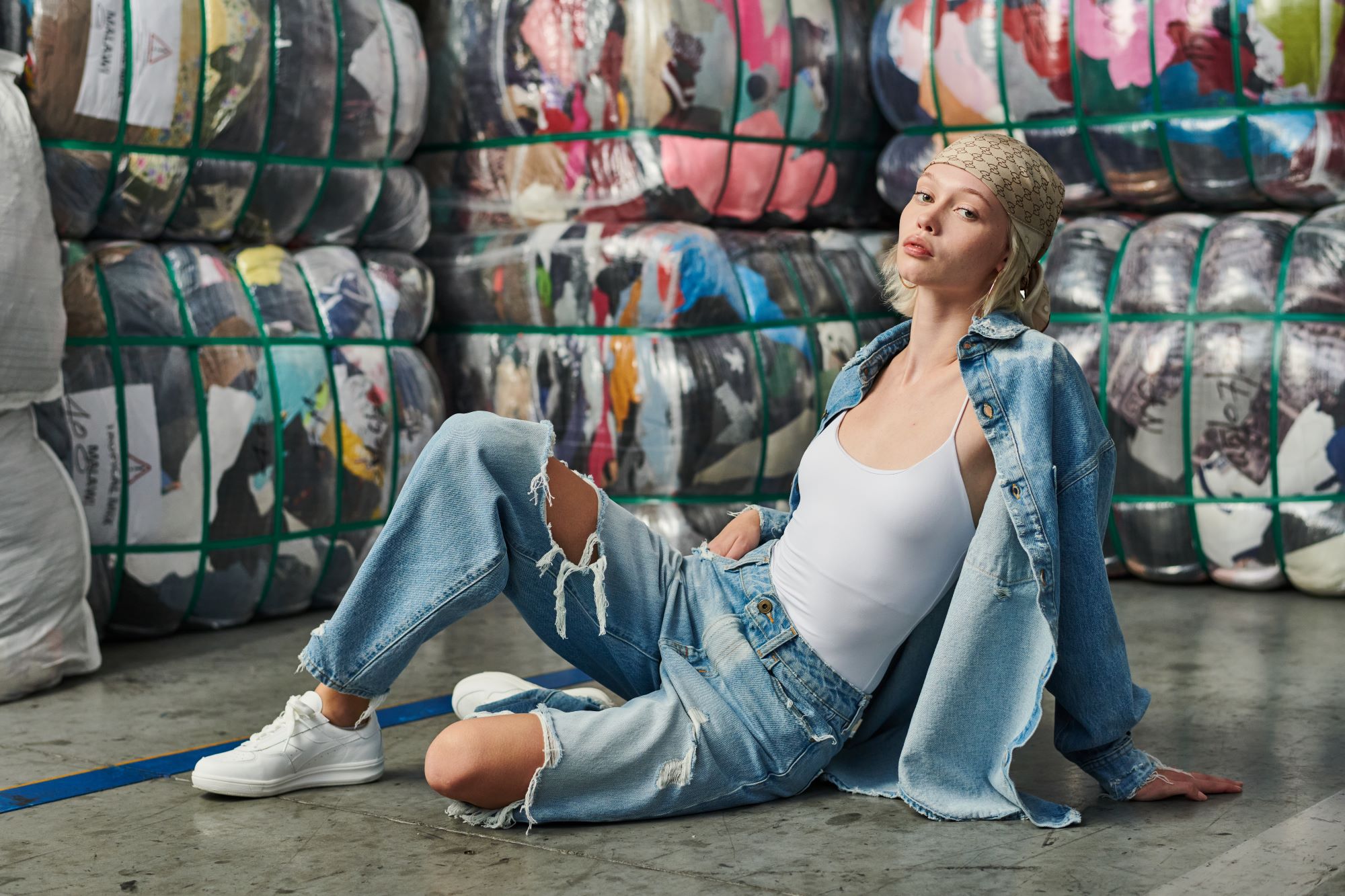


The circular economy transforms the way we produce and consume by converting waste into valuable resources and giving materials a new lease on life. Instead of adhering to the traditional linear model of taking, making, using, and disposing, the circular economy emphasizes keeping products and raw materials in use for as long as possible through practices like reuse, recycling, and regeneration. At Candiani, this principle informs every aspect of our work. From our denim recycling initiatives to the development of compostable technologies like COREVA™, we are committed to advancing circular fashion.
What’s the circular economy, and why is it important?
The European Parliament defines the circular economy as “a model of production and consumption that involves sharing, leasing, reusing, repairing, refurbishing, and recycling existing materials and products for as long as possible.” This approach extends the product lifecycle and promotes zero-waste production by keeping materials in the economy for as long as possible, thereby creating additional value.
Consequently, the circular economy offers three main benefits:
- It protects the environment.
- It reduces dependence on raw materials.
- It creates jobs and saves consumers money.
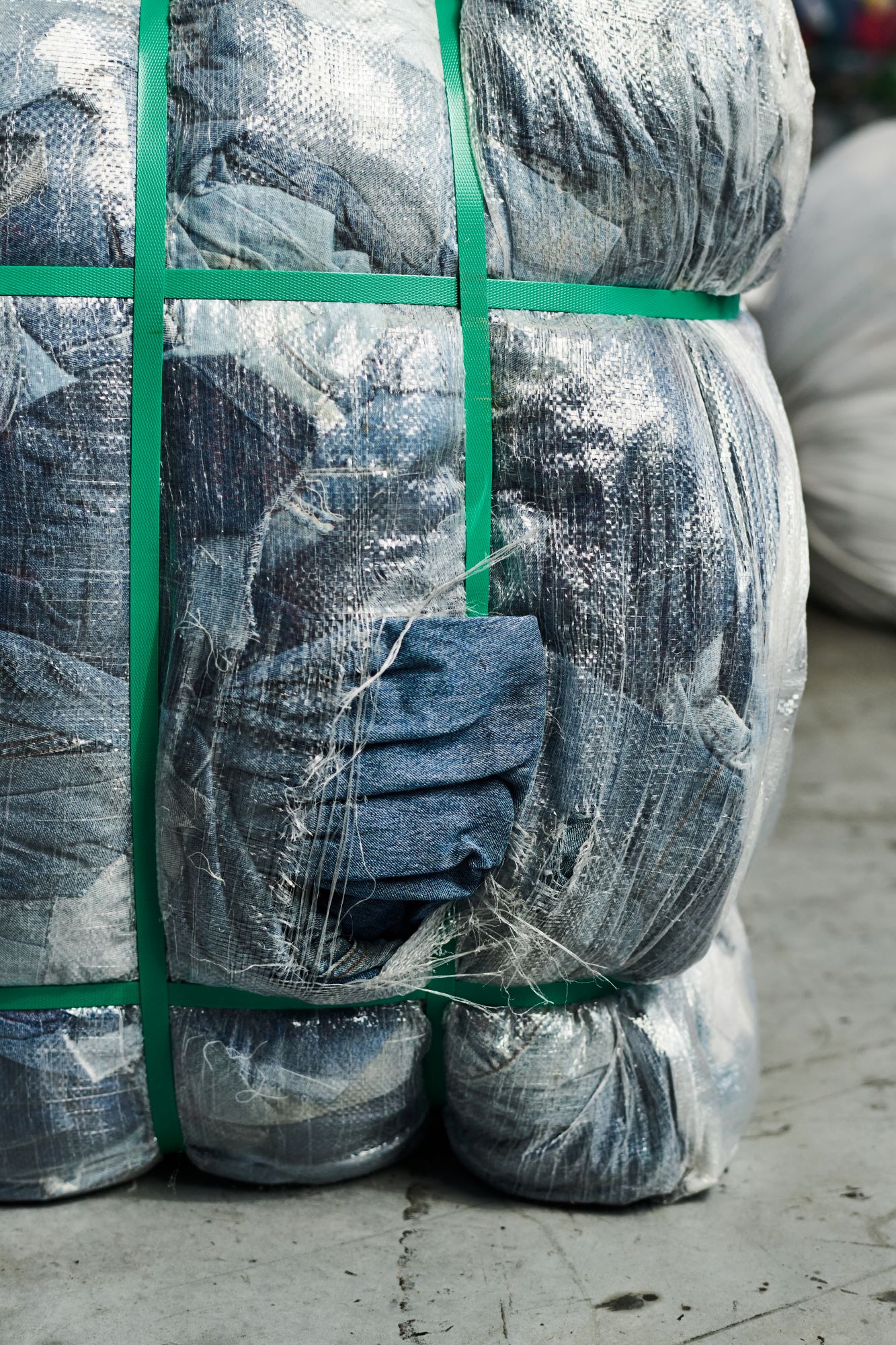
Photo taken at Humana People to People Italia.
Environmental protection
Reusing and recycling products can significantly slow the exploitation of natural resources, reduce habitat and landscape destruction, and limit biodiversity loss. Additionally, these practices can lower total annual greenhouse gas emissions, as the European Parliament estimates that over 80% of a product’s environmental impact occurs during its design phase.
Packaging is also becoming a growing concern, with each European citizen generating approximately 190 kilograms of packaging waste annually. To address this issue, the European Parliament aims to improve packaging design and promote reuse and recycling within the industry.
Reduction of raw material dependence
According to Eurostat, in 2022, the average European consumed 14.9 tons of raw materials per person. In 2023, the total value of trade (including both imports and exports) of raw materials between the EU and the rest of the world reached €165 billion; however, exports were lower than imports. This led to a trade deficit of €29 billion, indicating that some EU countries rely heavily on others for their raw materials.
The supply of essential materials remains limited, while demand continues to grow. As a result, recycling raw materials has become increasingly important, as it helps reduce supply-related risks, such as price volatility, availability, and import dependency.
Job creation and consumer savings
The transition to a more circular economy is also expected to provide significant economic benefits. The European Parliament estimates that this shift could enhance competitiveness, stimulate innovation, drive economic growth, and create 700,000 jobs in the EU by 2030. Redesigning materials and products for circular use will also foster innovation across various sectors of the economy.
Consumers may enjoy more durable and innovative products, which could improve their quality of life and save them money in the long run.
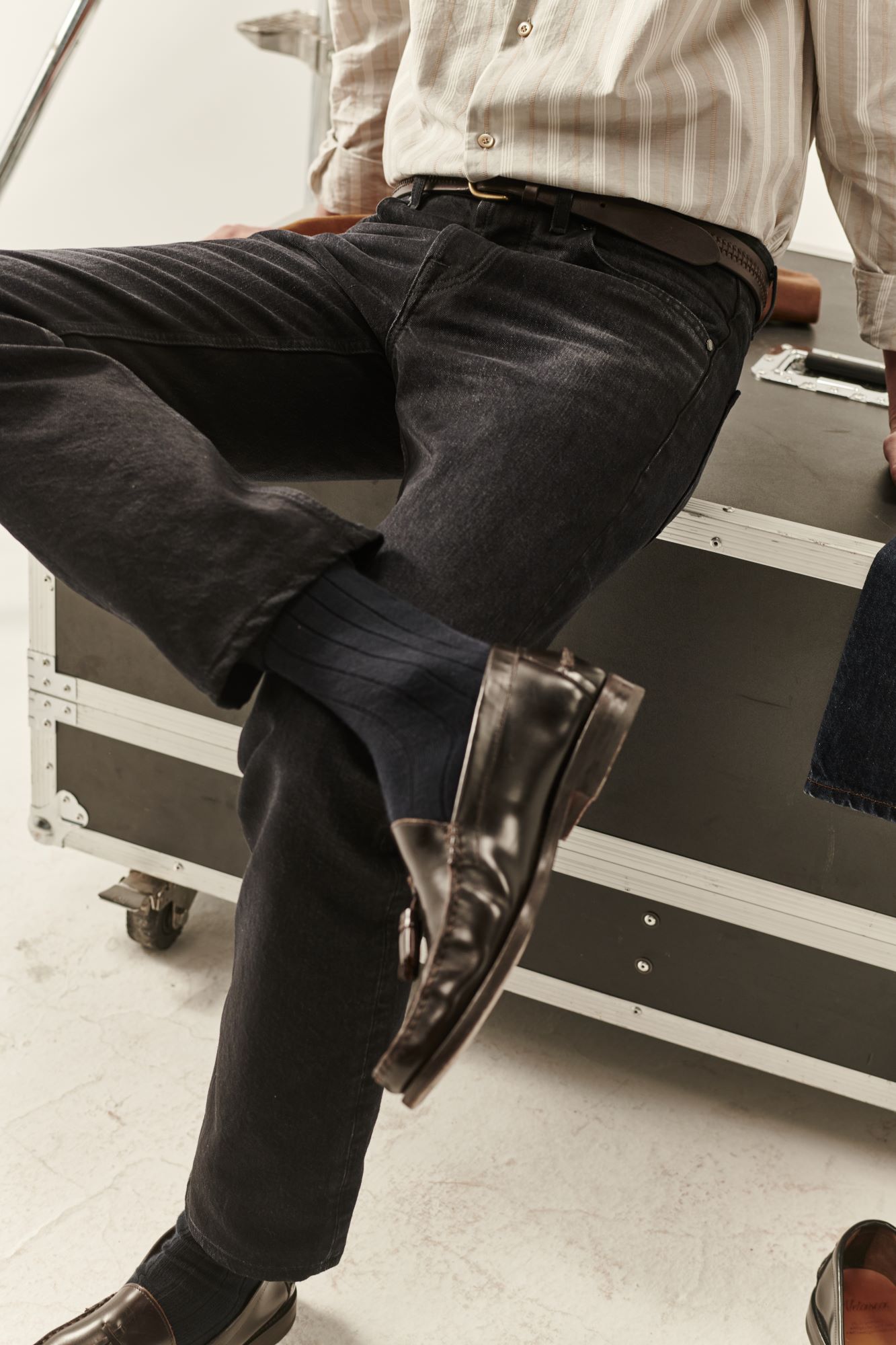
Recycling, reusing, and regenerating denim waste
We have always implemented a 3R approach in our operations: reduce, reuse, and recycle. Recently, we introduced a fourth R: regenerate. That’s why our efforts towards a textile circular economy focus on two main areas: enhancing recycling programs and developing compostable products.
Recycling programs are essential for reducing textile waste and minimizing the demand for new raw materials, while using biodegradable and compostable materials ensures that products have either a neutral or even positive impact on the environment at the end of their life cycle. This way, they can return to nature without harming the planet.
Our denim recycling programs
Our journey in denim recycling began in 2019 with the launch of ReGen, a line made from post-industrial cotton waste and TENCEL™ x REFIBRA™, a blend of leftover materials, such as cotton and wood. Following ReGen, we introduced ReLast, applying the same approach to stretch denim. This involved using a specialized pre-consumer recycled elastomer, derived from byproducts of elastane manufacturing and certified by the Global Recycled Standard (GRS).
Currently, we incorporate both post-industrial and post-consumer recycled (PCR) fibers in our denim production. Post-industrial fibers come from unavoidable waste generated during denim manufacturing, while post-consumer fibers come from recovered used garments. Our fabric selection for The Primo Jean also includes denim with 40% post-industrial recycled cotton.
Unlike post-industrial recycled materials, which share similar characteristics with virgin fibers, PCR fibers must be blended with stronger virgin materials to maintain quality. We use our proprietary Blue Seed cotton, ensuring that our recycled fabrics are not only high-quality but also traceable.
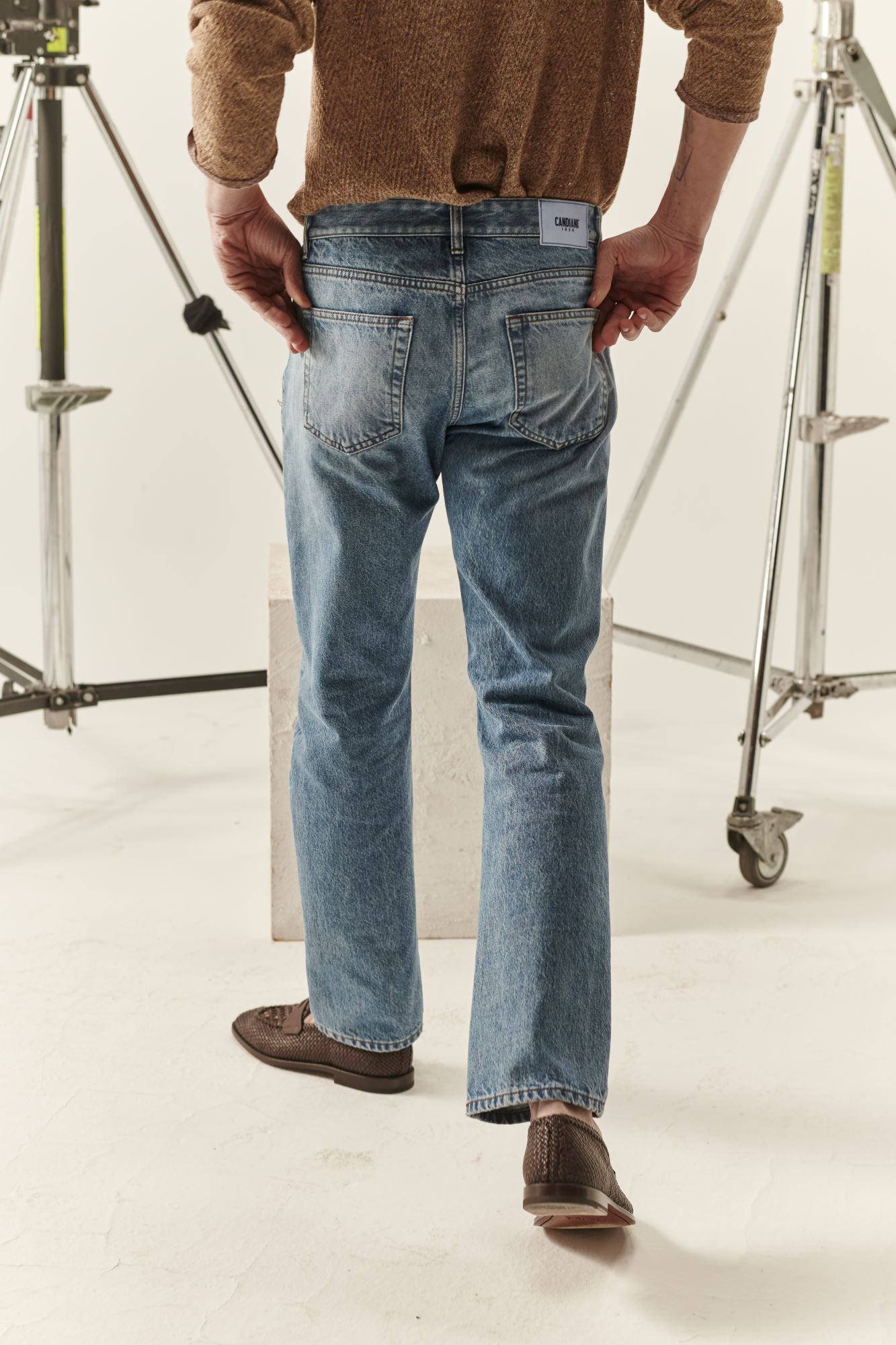
COREVA™, the world’s first plastic-free and compostable stretch denim
Recently, we have also focused on developing denim fabrics with no negative environmental impact. Our primary efforts have been on stretch denim, as synthetic fibers significantly harm the planet. We started with a line of stretch denim fabric that features elastic yarns designed to have a neutral environmental impact, which we named ReSolve.
However, the most important advancement in our effort to transition stretch denim towards a circular economy is our patented COREVA™ technology. This innovation creates the world’s first plastic-free and compostable stretch denim. Tests have shown that this groundbreaking fabric can decompose into compost under the right conditions, nourishing new plant growth at the end of its life cycle.