 Log into your account
 Register




When you’re looking for high-quality denim, there are several key factors to keep in mind, from the length of the cotton fibers to the stitching quality, which influences both flexibility and durability. Quality jeans fabric is our specialty, and we’d love to share some insights with you! If you’re interested in learning more, check out our premium jeans guide to find out how to identify top-notch jeans for your wardrobe.
Fabric density
Fabric density refers to the number of yarns woven into an inch of fabric. Compact fabrics tend to be more uniform, making the white of the weft nearly invisible on the front side. These tight weaves are often used for heavier and stiffer fabrics. On the other hand, open constructions emphasize the contrast between the indigo-dyed warp and the white weft, allowing the color to stand out against the blue yarns.
While some people believe that compact fabrics are inherently more durable and of higher quality, this isn’t entirely accurate. Nowadays, given that denim is primarily worn as casual clothing, fabric density significantly influences how the material feels against the skin, how it breaks in over time, and how it naturally fades with wear. The overall quality of denim is influenced by various factors that must work together to create a premium product, starting with the quality of the cotton used. In the end, the choice of fabric density often comes down to personal preference.
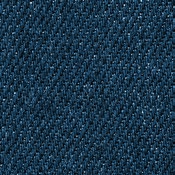
Compact weave.
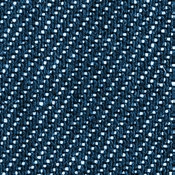
Open weave.
Stitching quality
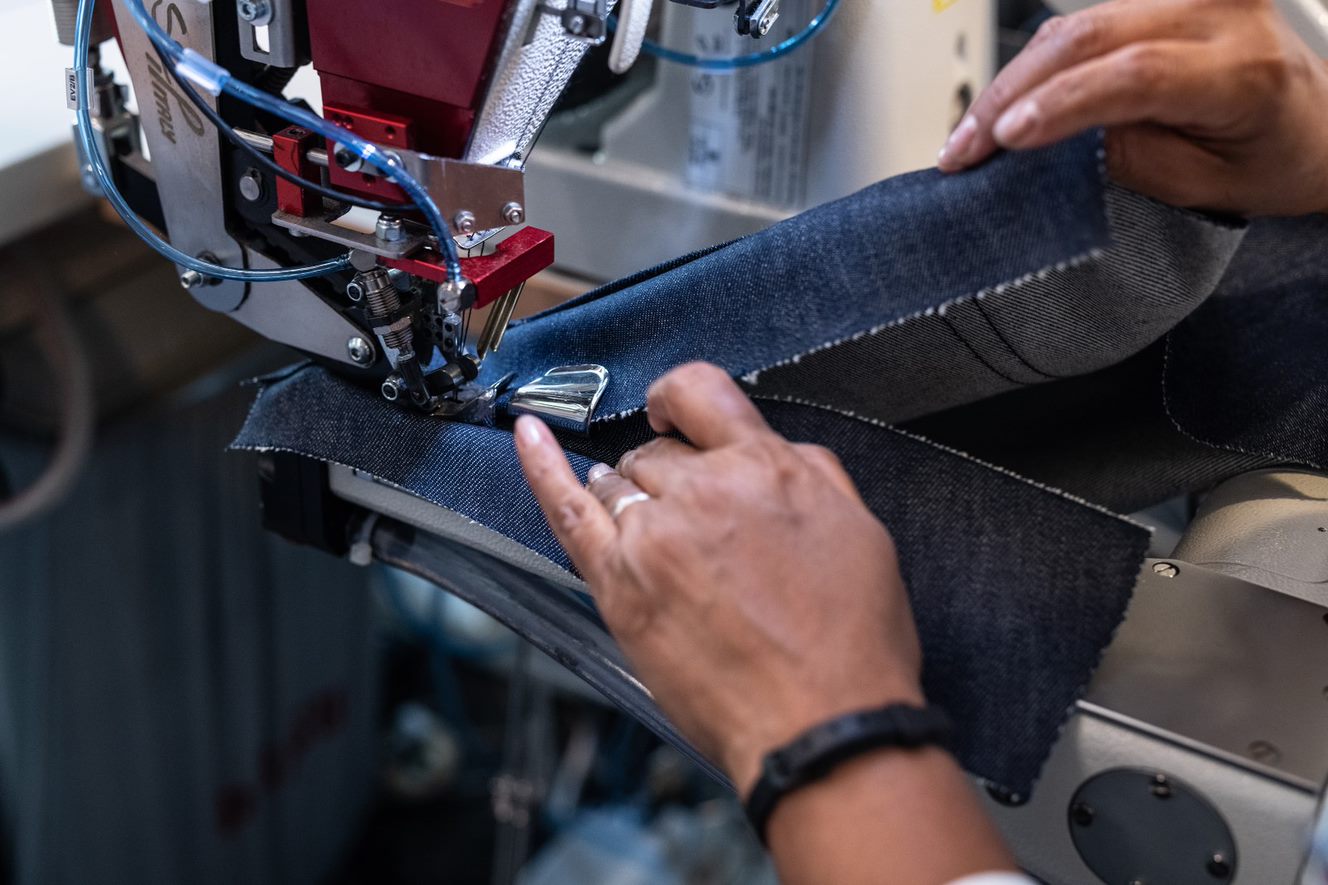
When it comes to denim stitching, it needs to be strong, flexible, and clean to ensure a high-quality finish. Denim is generally heavier than other fabrics, which makes the strength of its seams particularly important for durability. While using cotton threads might seem appealing due to their natural and biodegradable nature, they can often be too weak for traditional denim. On the other hand, threads made from recycled materials like polyester still lessen environmental impact but also enhance durability and allow for disassembly and re-recycling at the end of the jeans’ lifecycle.
One notable sewing technique in the denim industry is chain stitching, commonly found in high-quality jeans. This method involves a single thread looping back on itself, which negates the need for a bobbin thread. The result is increased stretch, making it an ideal choice for areas like waistbands and hems. It’s also worth checking the number of stitches per inch, especially in high-stress areas, to ensure flexibility and prevent fabric breakage.
Another important seam to note is the flat-felled seam, which interlocks the fabric layers and is secured by two rows of stitching. This design enhances durability, allowing jeans to withstand a lot of movement and wear. For a polished appearance, these seams must be clean both on the inside and outside. This prevents fraying, ensures a flat fit against the skin to avoid chafing, and maintains that classic denim look.
Lastly, stay tape—whether adhesive or non-adhesive—plays a critical role in reinforcing certain areas of a garment during tailoring. In denim, adhesive stay tapes are often applied to sections like the waistband. They help prevent fraying, especially around buttonholes, and reduce the likelihood of shrinking after washing.
Dye consistency
The most popular denim construction is the 3x1 right-hand twill. This means that for every one weft yarn, there are three warp yarns on the front side, creating that characteristic diagonal pattern that angles from the bottom left to the top right. Usually, the warp yarns are dyed indigo, while the weft yarns retain their natural cotton color.
There are two main methods for dyeing denim: rope dyeing and slasher dyeing. Rope dyeing involves twisting the yarns and bundling them together. In contrast, slasher dyeing—also known as sheet dyeing—spreads the yarns out flat, allowing them to be passed through several dye baths before they’re sized and wound for weaving.
The performance of the dye on denim is also influenced by the spinning method used. Ring spinning, while more expensive and labor-intensive, produces softer and stronger yarns with a unique uneven texture, contributing to that authentic denim look, especially as the indigo fades over time. In contrast, open-end spinning is a more cost-effective technique that simplifies the production process. This method typically results in bulkier and more uniform yarns that absorb indigo differently. Notably, open-end spinning characterized the denim aesthetic of the 1980s and tends to follow a cyclical trend in fashion.
When it comes to indigo itself, you can choose between natural and synthetic options. Synthetic indigo is available in solid and pre-reduced forms. The latter may be pricier but uses fewer chemicals to bond with cotton, making it a more eco-friendly choice. While the dyeing process remains the same across both types, the outcomes can differ. Synthetic indigo generally offers a deeper, more consistent shade, making it suitable for large-scale production. On the other hand, natural indigo yields vibrant and unique colors that can be lighter and less predictable, making it ideal for artisanal or limited-run denim. Large-scale natural indigo farming would also require too much land.
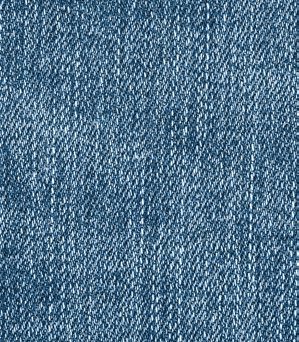
Ring spinning.
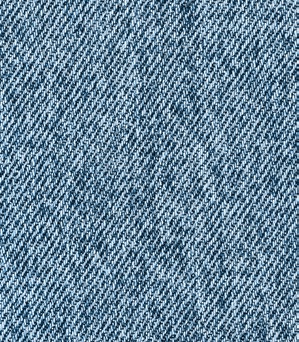
Open-end spinning.
Fabric composition
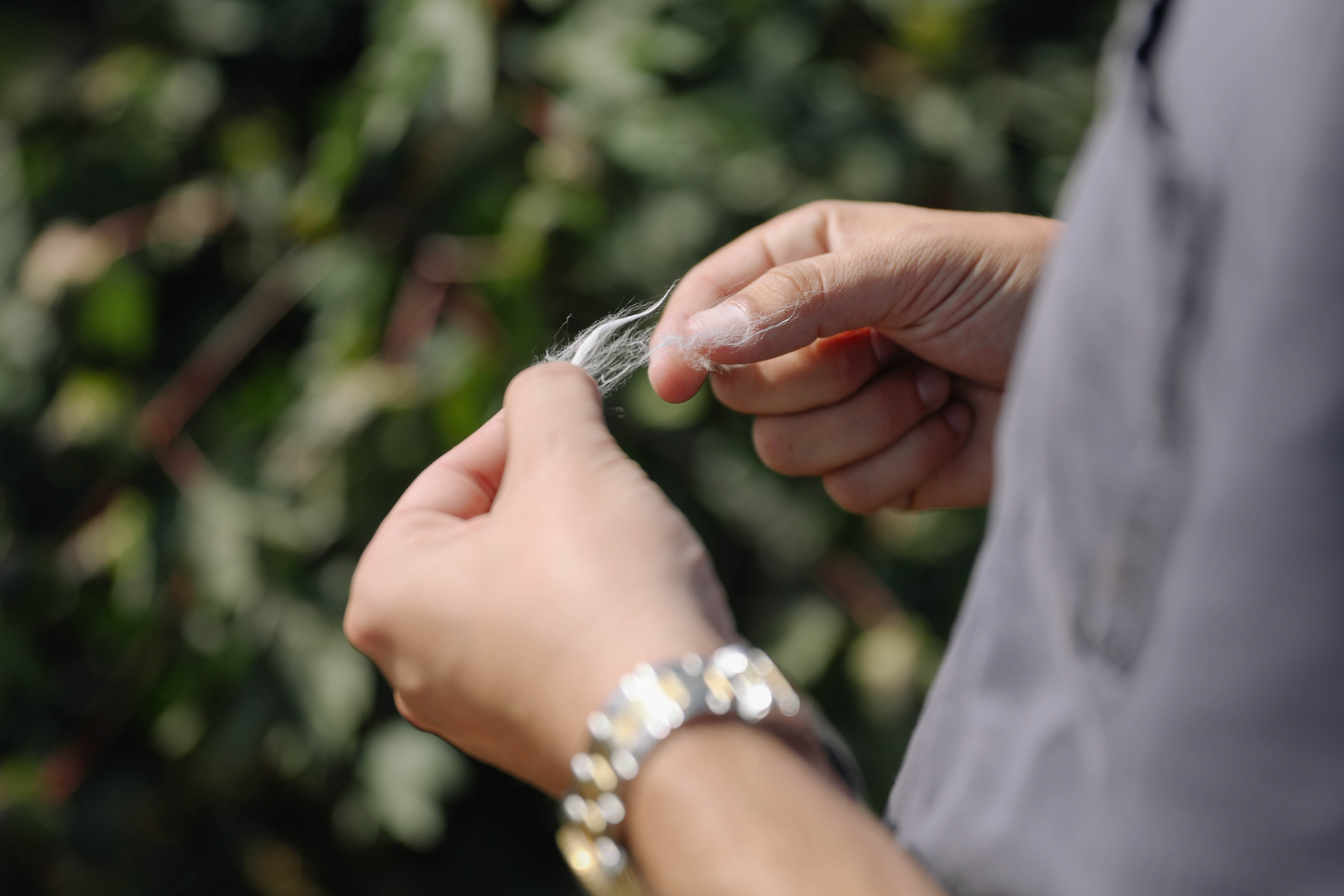
Cotton is the primary ingredient in denim, and the quality of this fiber often hinges on its length—longer fibers tend to indicate higher-quality textiles. Nowadays, there’s also an increasing emphasis on preferred fibers that aim to minimize environmental and social impacts compared to traditional cotton. Organic cotton is one of the most recognized alternatives, designed to enhance soil health, eliminate harmful chemicals, and promote human rights throughout the supply chain.
Regenerative cotton is also gaining popularity, focusing on farming practices that are tailored to specific climates and soil conditions. This approach aims to restore soil health and biodiversity through methods such as reduced tillage, cover crops, and limited chemical usage. Importantly, these methods aren’t in competition; rather, they complement one another, enhancing their positive effects. It’s also noteworthy that the farming practices employed don’t significantly alter the intrinsic quality of the cotton or its texture. This means that both organic and regenerative practices can be applied to various types of cotton. Choosing denim made from these preferred fibers is crucial for ensuring that the cotton used is cultivated with the planet’s well-being in mind. Plus, healthy soil typically leads to healthier plants with better qualities, which is an important consideration when selecting what we wear.
While cotton remains the backbone of denim manufacturing, a significant portion of denim fabrics now incorporates stretch fibers, often elastane. These synthetic fibers are generally less robust than natural materials like cotton and can degrade more quickly if they are of lower quality, which may result in overstretching. Therefore, it’s important to invest in high-quality stretch denim to ensure durability and shape retention, even after numerous wears and washes. Making thoughtful choices about stretch denim also aligns with environmentally conscious practices, especially given the impact of synthetic fibers on the planet. This is why lower-impact alternatives like recycled elastane or biodegradable and compostable elastic fibers are emerging in the industry. Additionally, fiber blends such as linen-cotton, hemp-cotton, and wool-cotton are making their mark, offering additional benefits to traditional 100% cotton denim.
Again, it’s essential to remember that premium denim quality is not determined by a single factor; it results from a combination of many aspects. While raw materials are crucial in defining fabric quality, processing techniques also play a vital role. This is why we can create high-quality denim from recycled fibers and durable stretch fabrics that are finished for longevity.