 Log into your account
 Register




The premium denim industry really took off in the 1980s, when jeans entered high fashion. Originally, “premium” referred to denim made from high-quality materials that boasted superior performance and an authentic look. However, nowadays, there are more factors to consider when searching for premium denim.
Cotton quality
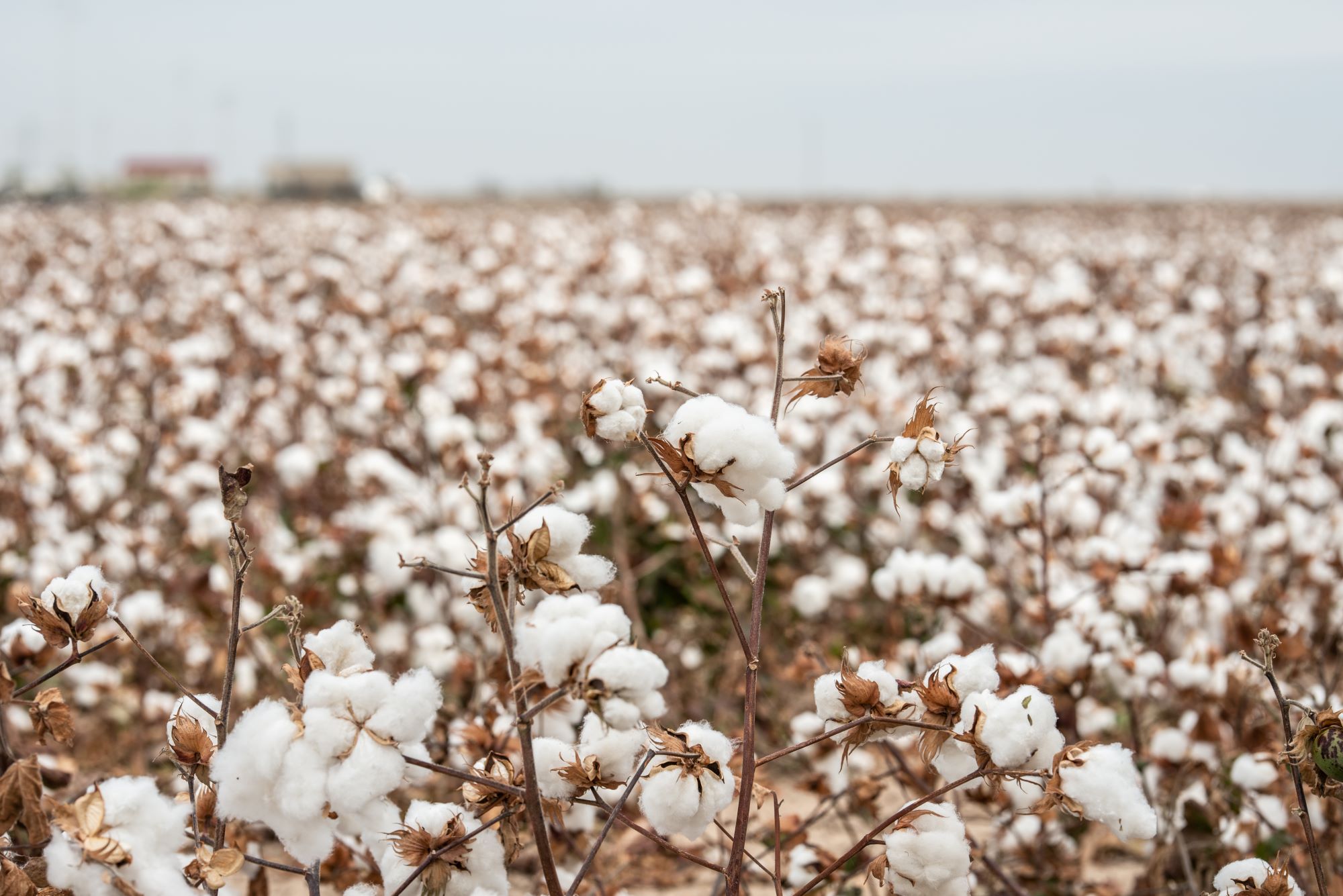
Cotton is the main ingredient used in denim production. The quality of the fiber largely depends on its length, with longer fibers typically associated with higher-quality textiles, such as shirts and dresses, that feel soft and refined. On the other hand, the denim industry has primarily relied on shorter fibers, which are inexpensive yet still suitable for crafting thick, durable fabrics ideal for workwear. Upland cotton, known for its resilience and affordability, has become a popular choice in this category.
As denim has evolved into a premium product over time, long- and extra-long-staple cotton have also entered the market, contributing to the production of high-quality denim. The term “premium” refers to the price consumers are willing to pay for products that provide superior qualities compared to others, rather than indicating that they are luxury items.
There’s a growing emphasis today on preferred fibers, which bring greater environmental and social benefits than traditional options. According to the Textile Exchange, these fibers now account for about 34% of the global cotton market. Organic cotton is perhaps the most recognized of these options, aiming to improve soil health, eliminate harmful chemicals, and safeguard human rights throughout the supply chain. Meanwhile, regenerative cotton is gaining traction, emphasizing adaptable farming practices suited to specific climates and soil conditions. The goal is to restore soil health and biodiversity through methods like reduced tillage, cover crops, and limited chemical use. Importantly, these different approaches aren’t competitors but rather complement each other, maximizing their positive impacts.
It’s worth noting that the farming techniques used don’t significantly affect the inherent quality of cotton or how it feels. This means that organic or regenerative practices can apply to various types of cotton, including Upland and extra-long-staple. However, selecting denim made from preferred fibers is essential for ensuring that the cotton we wear is cultivated with care for our planet. Additionally, healthy soil tends to produce healthier plants with better qualities, which is something to keep in mind when making choices about what we wear.
Weave density
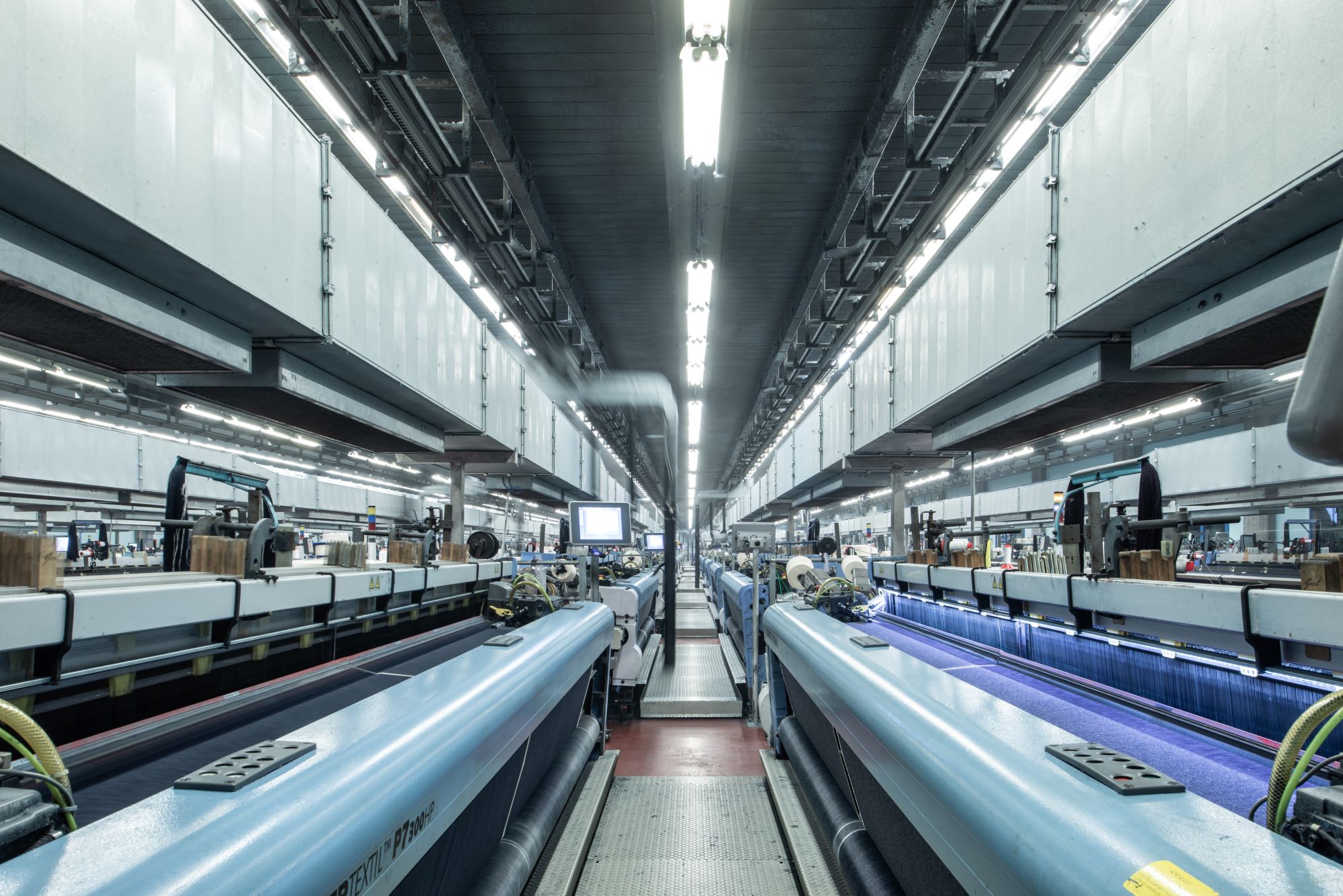
Weave density refers to the number of yarns per inch in a fabric. Compact weaves typically produce more uniform, nearly monochromatic fabrics, in which the weft is almost invisible on the front side. In contrast, more open weaves emphasize the weft, which is often left in its natural cotton color, standing out against the blue of the warp. Tighter weaves are generally used for heavier, stiffer fabrics, making them sturdier and more resistant to stretching. These characteristics influence how denim feels against the skin, how it breaks in over time, and how it fades with use, ultimately giving it a vintage appearance.
While denser weave constructions are often associated with durability and shape retention—suggesting higher-quality fabrics—this isn’t entirely accurate. Historically, denim weight was crucial for workwear, as a durable denim fabric was key to withstanding considerable wear and tear. Nowadays, the purpose of denim has shifted more towards leisurewear, allowing it to last even longer since it typically undergoes less stress, regardless of its weight.
It’s also important to note that the weaving method doesn’t automatically imply quality. Many people mistakenly believe that selvedge denim always indicates a higher-quality fabric. This stems from the fact that selvedge denim is produced on shuttle looms, which were once the industry standard before mass production took over. These looms are now quite rare since they are no longer in production. This scarcity naturally leads to a perception of higher value. Additionally, selvedge denim is typically only 80 centimeters wide, which is half the width of standard denim. As a result, up to 3 meters of selvedge fabric are needed to make a single pair of jeans, often driving up the cost.
Shuttle looms were replaced by more efficient full-width looms after World War II, which can produce larger quantities of fabric more quickly, leading to selvedge denim often being reserved for smaller collections. However, it’s essential to understand that quality is influenced by various factors, as we are exploring in this article. Still, it’s true that selvedge denim often reflects a commitment to craftsmanship, as only a few mills continue to weave in this traditional manner, taking great care to uphold its values. Plus, shuttle looms operate more slowly, resulting in a gentler weaving technique that affects hand feel and overall aesthetics, often creating a more textured appearance due to the open weave.
Dyeing techniques
A premium denim fabric typically combines three essential elements: high-quality materials, superior performance, and authentic aesthetics. Traditionally, warp yarns are dyed indigo, while weft yarns remain in their natural cotton color, which is still the most popular look for denim. The most common construction is a 3x1 right-hand twill, signifying that there are three warp yarns for every one weft yarn on the front side. This intertwining creates a distinctive diagonal pattern that runs from the bottom left to the top right. Today, however, there are numerous ways to achieve different looks through a variety of dyes and constructions.
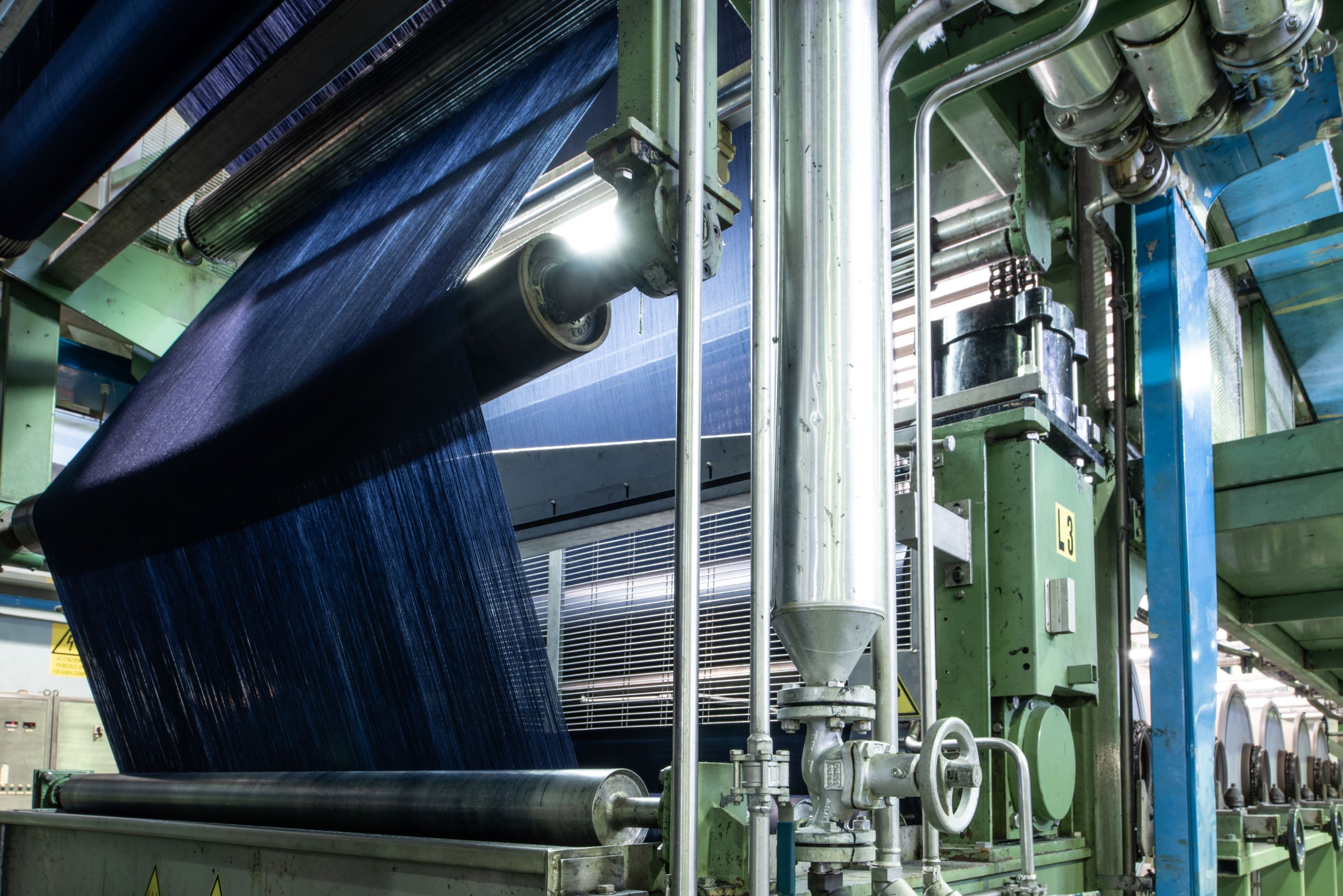
Dyeing can be accomplished through two primary methods: rope dyeing and slasher dyeing. In rope dyeing, yarns are twisted and bundled together, while slasher dyeing, also known as sheet dyeing, lays the yarns out flat like a sheet and passes them through multiple baths prior to sizing and winding for weaving.
The spinning system is another factor that affects color performance. Ring spinning, although more costly and time-consuming, yields softer and stronger yarns with a unique uneven texture. This texture contributes to the authentic denim appearance, especially as indigo fades. On the other hand, open-end spinning is a more economical method that requires fewer production steps, resulting in bulkier and more uniform yarns that tend to absorb indigo differently.
In addition to the traditional elements, sustainability has emerged as a crucial fourth component in determining the quality of denim. This is especially significant in the dyeing process, given that global textile production accounts for about 20% of clean water pollution, according to the European Parliament, with dyeing being one of the most water- and chemical-intensive stages in manufacturing.
Fabric finishing
The finishing processes for denim are important steps that help stabilize the fabric while enhancing its look, feel, or overall performance. Different types of denim may undergo specific treatments, but stability treatments are a common part of denim fabric processing. Here are the main stability treatments you can expect:
- Singeing: This step cleans the fabric by burning off any loose fibers or fuzz.
- pH neutralization: This treatment ensures the fabric’s acidity is balanced.
- Skewing: This technique prevents the legs from twisting during washing.
- Sanforization: This process helps control shrinkage.
After denim garments are cut and sewn, they often receive additional finishing treatments to achieve a specific look and feel. This is quite different from most fabrics, which are typically sewn in their final color.
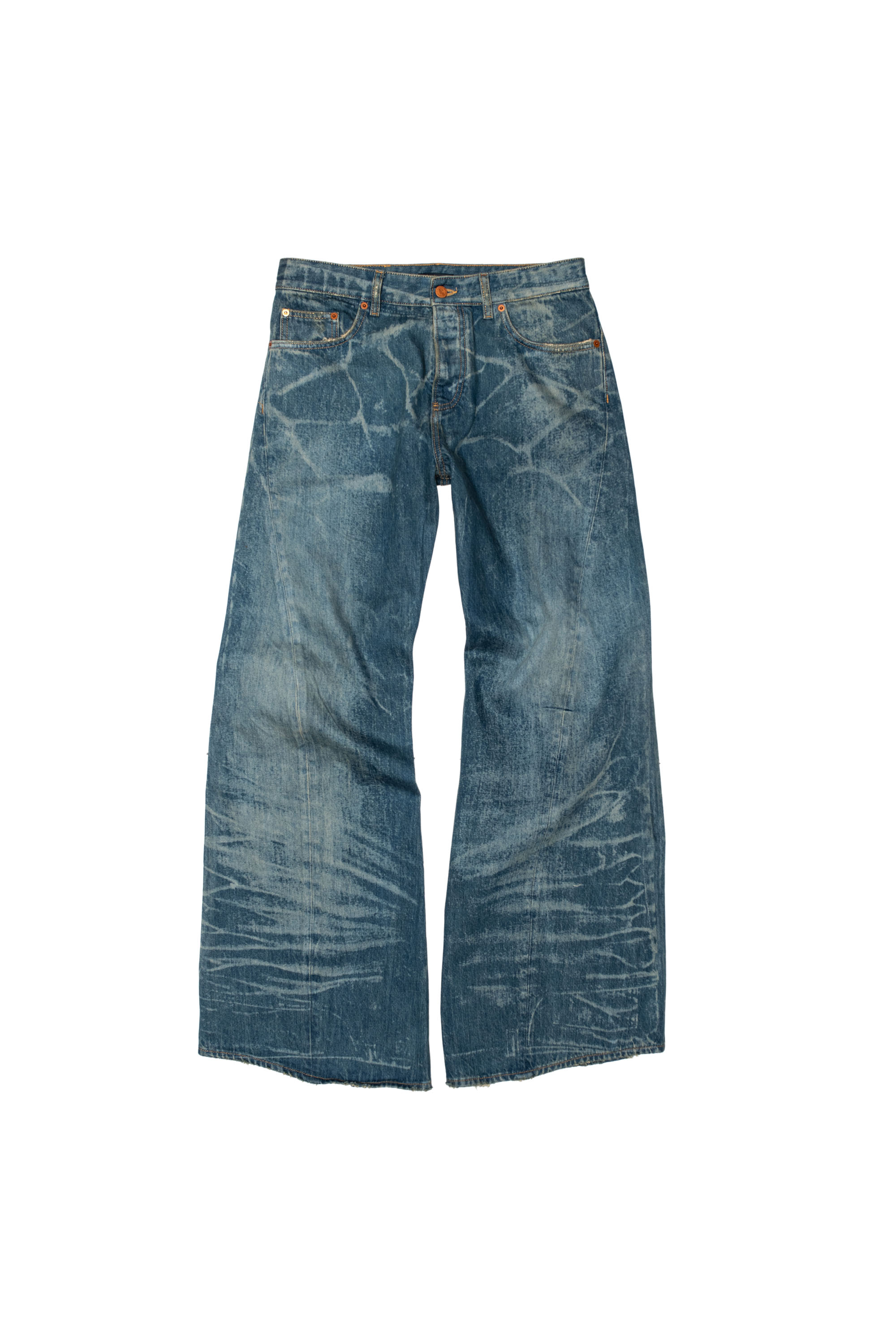
One of the most common finishing techniques aims to replicate that vintage, worn-in look that pure denim acquires over time with regular wear. For instance, jeans are often faded in high-stress areas to create that aged aesthetic, while also softening the fabric from the get-go. Traditionally, this aging process involved washes and manual treatments; however, nowadays, laser treatments are frequently used as a safer alternative to manual scratching.
It’s also worth noting that sustainability has become crucial in these finishing processes, necessitating careful management of resources like water and chemicals.