 Log into your account
 Register



The denim supply chain today is quite fragmented. Numerous companies focus on just one aspect of the manufacturing process, whether that involves spinning, dyeing, weaving, sewing, or washing. As a result, fabrics and jeans often have to travel between various production plants, and sometimes even across countries, before they become the finished garments we see in stores, which are frequently sold far from where they were made. Fortunately, there’s an alternative approach known as vertical integration. Let’s explore what that entails.
Why does vertical integration matter?
Vertical integration in fashion is a model in which a company manages multiple stages of its supply chain within a single, cohesive system. This encompasses everything from design and raw material sourcing to manufacturing, distribution, retail sales, and logistics. By doing so, companies aim to enhance control and coordination throughout the production process, minimize unnecessary handoffs, and streamline operations by eliminating intermediaries.
While there are notable challenges associated with vertical integration—such as the need for significant investment, specialized operational skills, and effective coordination—the advantages are substantial. For instance, vertical integration can greatly reduce delays, lead times, bottlenecks, and transportation-related costs and emissions, while also addressing quality concerns and dependence on suppliers. It helps mitigate fluctuating costs and unpredictable market conditions. Additionally, it often leads to improvements in efficiency, flexibility, workflow, inventory management, and overall cost savings, all of which contribute to better product quality. Furthermore, having this level of control can enhance oversight of labor conditions and environmental impacts, thus supporting sustainability efforts and improving a company’s brand reputation.
A closer look at the denim manufacturing process
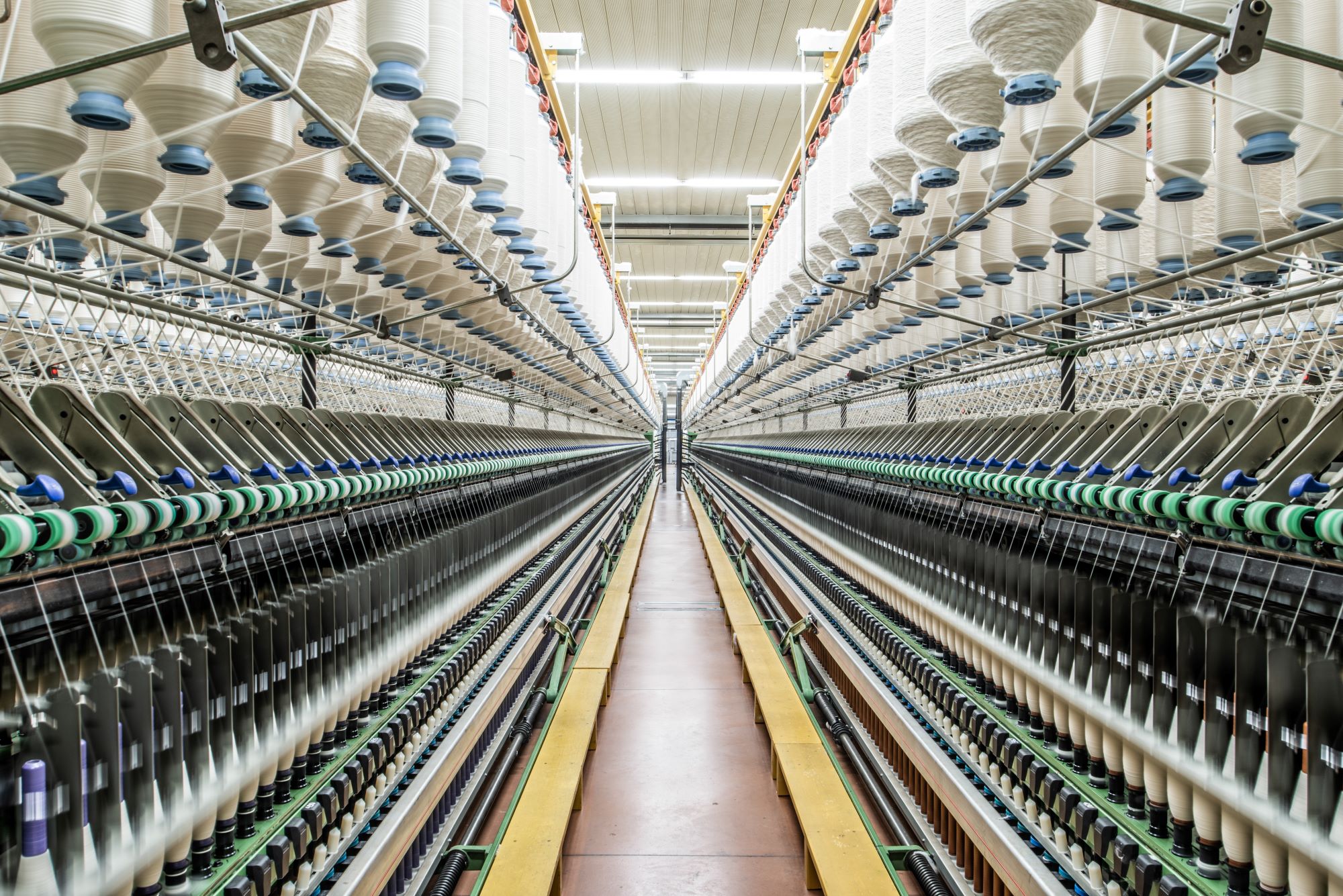
After the cotton ginning process, which removes seeds and impurities, the fibers arrive at the denim mill to be spun into yarn. Typically, the warp yarns then go to the dyeing department to be dyed in indigo or other shades, while the weft remains in its natural hue. This combination is what gives jeans their distinctive contrast when woven together on the loom. Once the denim fabric is finished, it usually undergoes finishing processes that enhance its performance and appearance before a quality check.
At this point, the fabric is ready to be cut for garments. Jeans are sewn in their raw state, meaning they come straight from the mill to the garment maker without any prior treatment. However, raw jeans are becoming quite rare, as many people find them too stiff and uncomfortable. If you’ve noticed that most jeans in stores today are lighter and softer, it’s because they’ve typically been washed in industrial laundries. This washing process achieves various effects, such as distressing, fading, or softening the fabric.
Additionally, treatments like laser technology are used to create unique textures and finishes. This stage of preparation truly sets denim apart from most other fabrics, which are generally sewn only after their final aesthetic has been achieved. To finish off a garment, essential hardware such as rivets, buttons, and zippers is added. Plus, decorative elements such as embroidery and appliqués can be incorporated to enhance the overall design.
From cotton to yarn: our commitment starts with raw materials
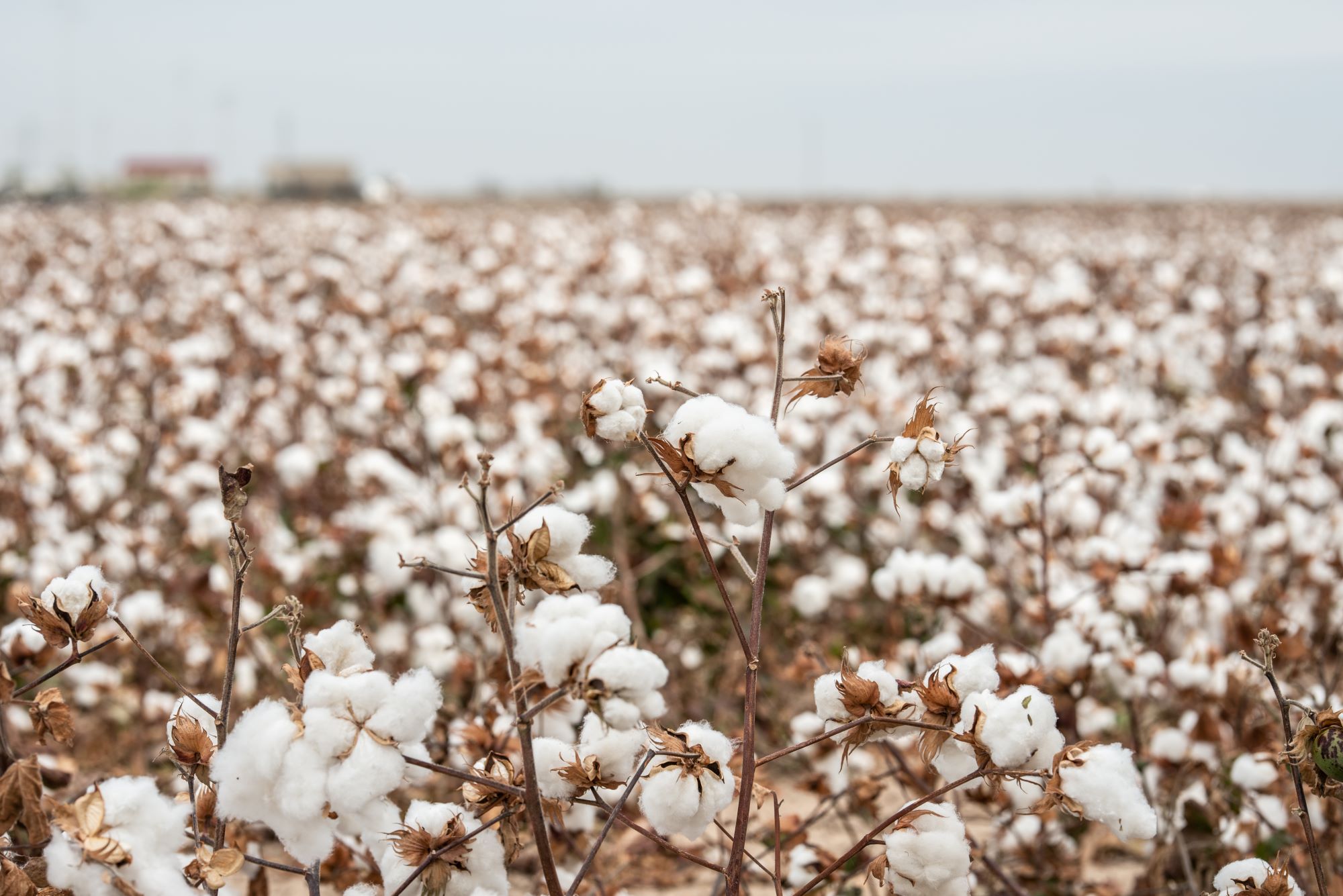
Our commitment to vertical denim production begins with cotton, the industry’s most important raw material. We are currently focusing on regenerative cotton and recycled fibers. We take pride in being pioneers in integrating regenerative agriculture into the denim industry, becoming the first regenagri®-certified denim mill in 2021. We believe that regenerative cotton is a more scalable option compared to other preferred fibers, as it supports farmers by adapting to their specific needs. This approach emphasizes results, such as improving soil health, restoring natural ecosystems, and enhancing the environment, rather than enforcing uniform standards globally.
In addition to our commitment to regenerative practices, we recognize the importance of recycled fibers in reducing cotton’s environmental impact. By repurposing materials that would otherwise end up in landfills or be incinerated, we can help conserve valuable resources and reduce the demand for virgin fibers.
To ensure we’re closely monitoring our supply chain, we’ve partnered with Gowan Seed Company to create Blue Seed cotton. We have exclusive access to this seed, which means that we can allocate it to the farmers we desire. This unique, non-GMO hybrid combines the best traits of extra-long staple cotton and Upland cotton. Blue Seed cotton is not only high-quality but also more resilient in the field, requiring less water and fewer chemicals for cultivation.
From yarn to final product: full supply chain control
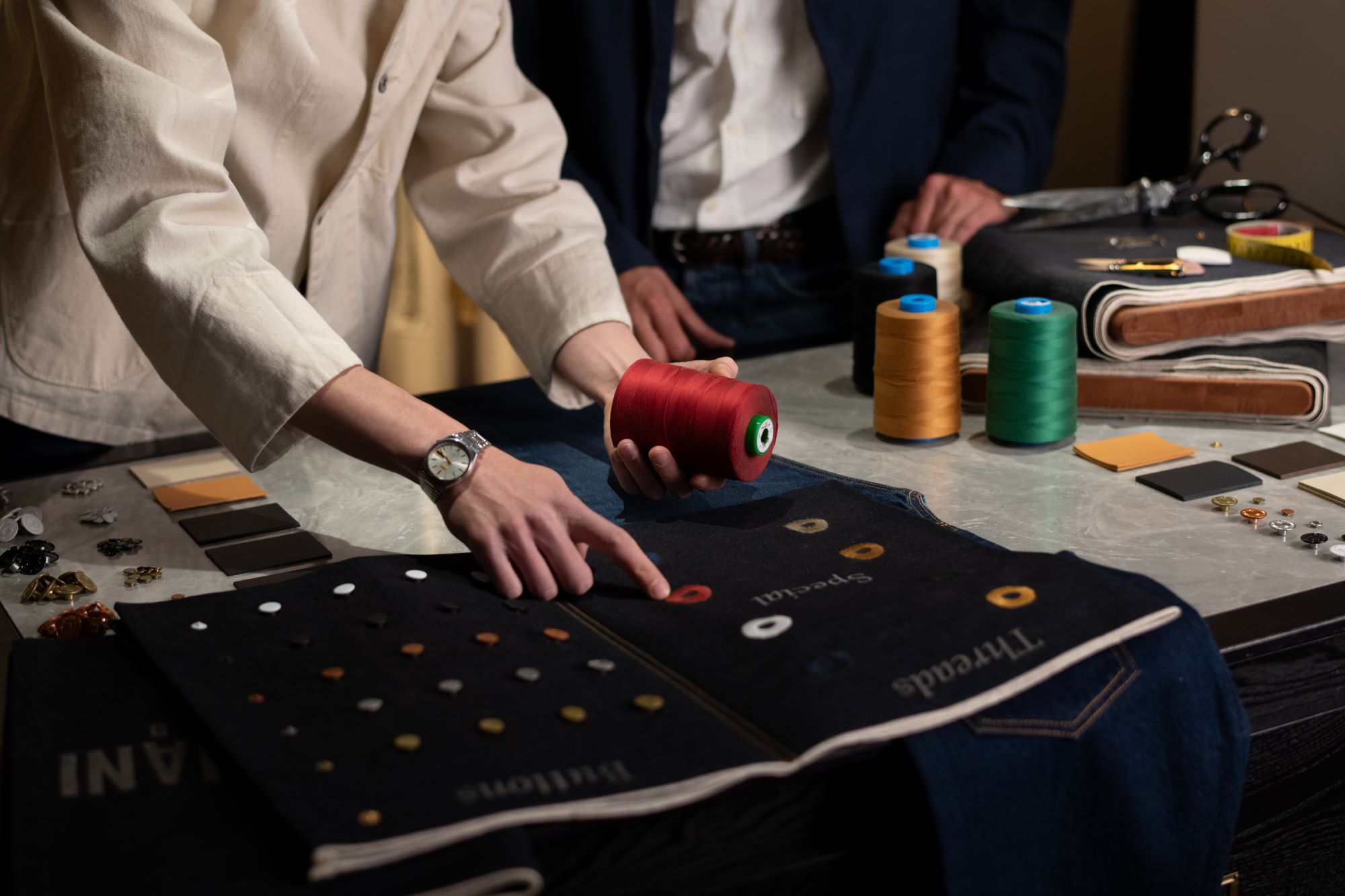
At our mill in Robecchetto con Induno, we take pride in managing all the processes required to produce finished denim fabrics starting from cotton. This includes spinning, dyeing, weaving, and finishing. We purchase cotton and handle each step of denim manufacturing, ultimately providing ready-to-use fabric for jeans production. With over 80 years of experience supplying denim fabrics for premium and luxury brands, we’ve recently ventured into custom jean manufacturing at our micro-factory, Candiani Custom, located just a few kilometers from our denim fabric plant. This initiative offers an innovative production model that stands apart from conventional practices in the jeans industry.
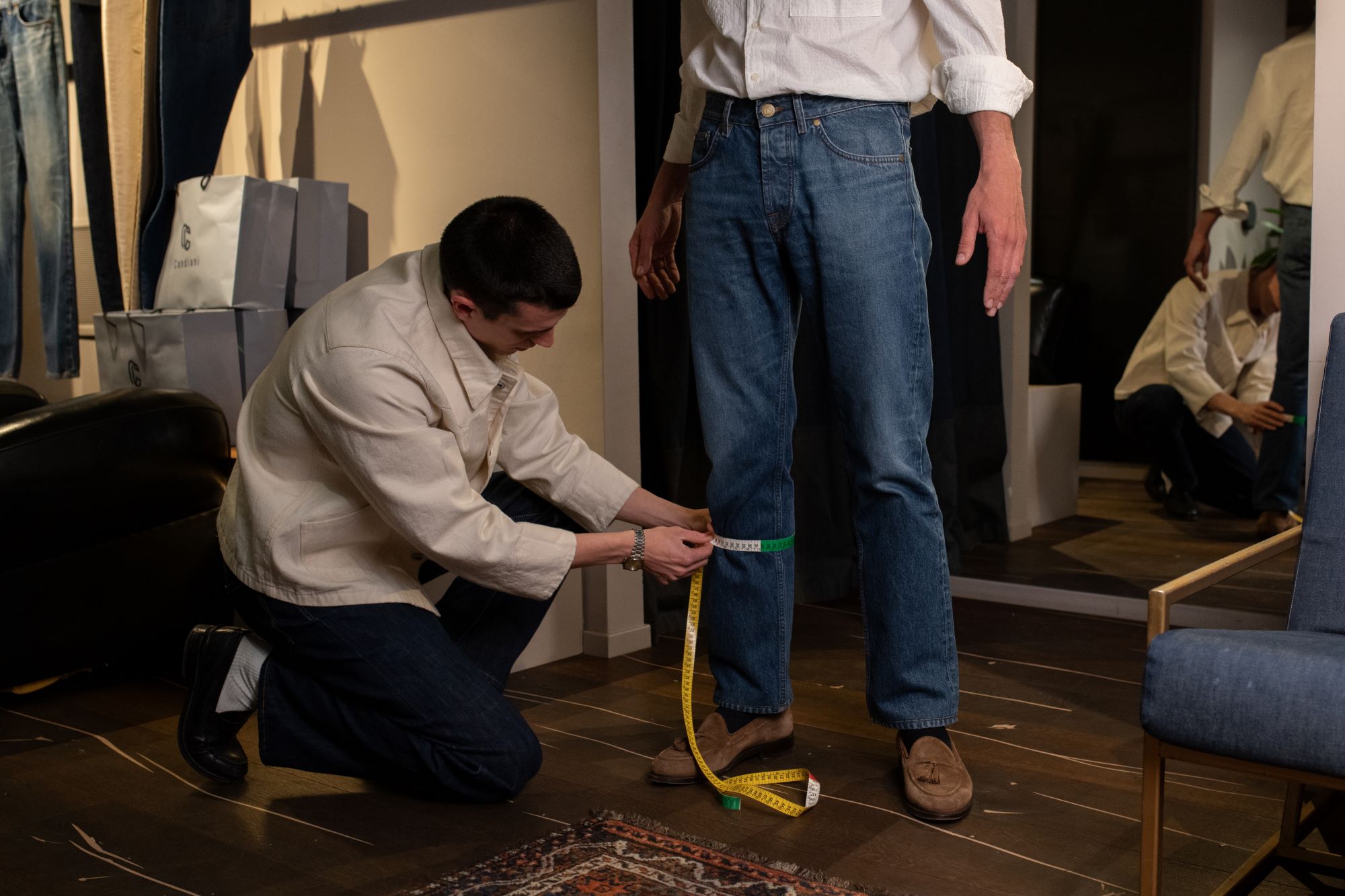
Candiani Custom was established in collaboration with ten trusted Italian partners who share our values and are positioned within a 238 km radius. In our micro-factory, we cut, sew, and wash jeans, producing finished garments from our own denim fabric. This alternative production model not only enhances our control over the supply chain but also addresses important issues in the fashion industry, including overproduction, the protection of workers’ rights, and the reduction of our carbon footprint. Our jeans are produced mostly on demand and entirely in Italy, right where they’re sold, allowing us to cut intermediaries.
Additionally, you might want to check out The Primo Jean online. We believe it’s a must-have for any wardrobe. These jeans are classic and timeless, featuring well-thought-out lines, vibrant colors, and refined washes that are made to last. They’re not just your average regular-fit jeans; they represent our deep knowledge of the denim industry, the rich tradition of Italian textiles, and a dependable supply chain.