 Log into your account
 Register



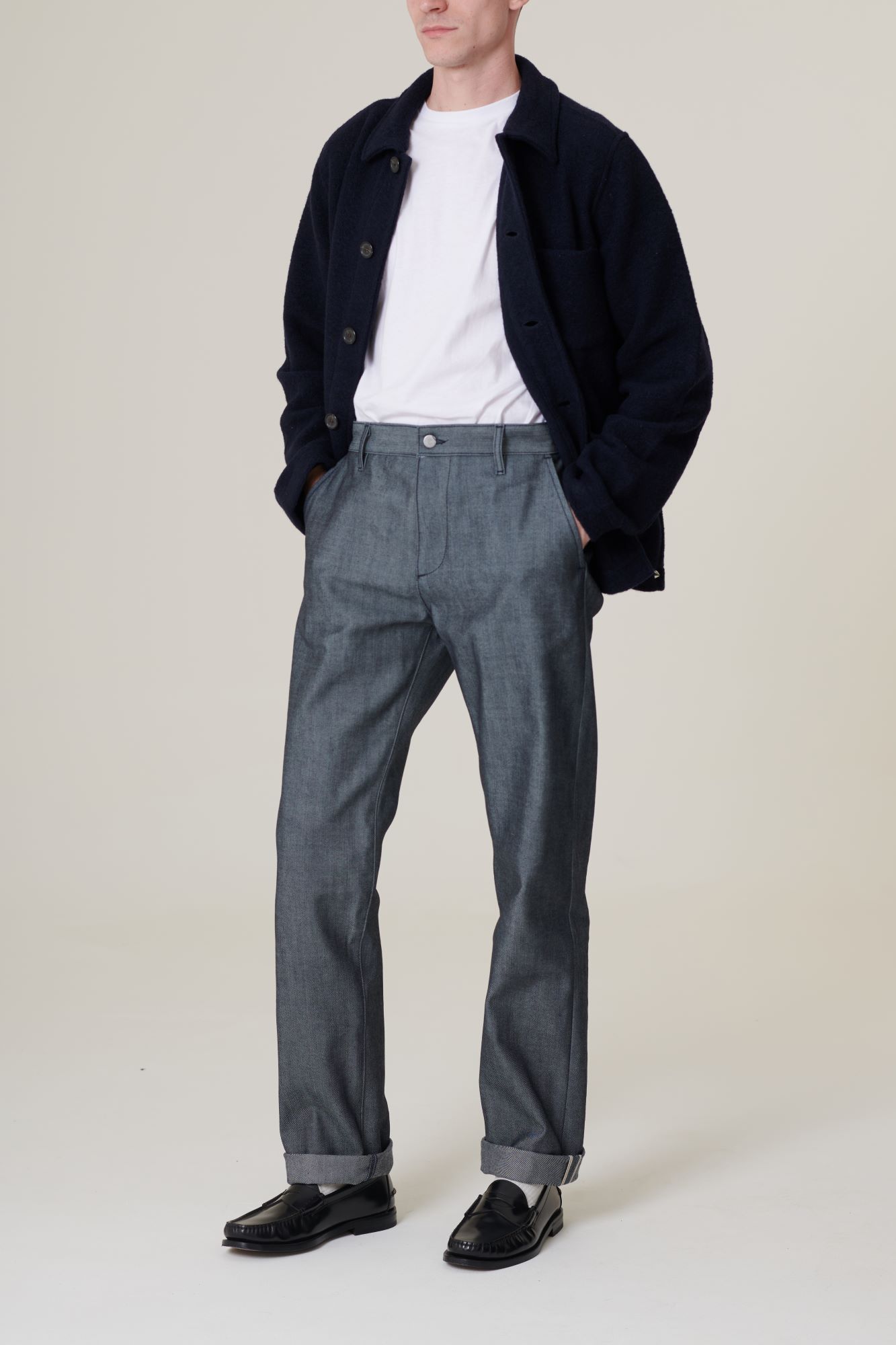
Exciting news from the Candiani Denim Store this fall: we’re thrilled to introduce a unique wool denim fabric for your custom-made jeans! This incredible blend of wool and regenerative cotton offers a luxurious, versatile denim that promises both comfort and style. Join us in exploring the fantastic features and benefits of our wool denim, along with the fascinating history and characteristics of this remarkable fiber. Get ready to discover your new favorite fabric!
The characteristics of our wool denim
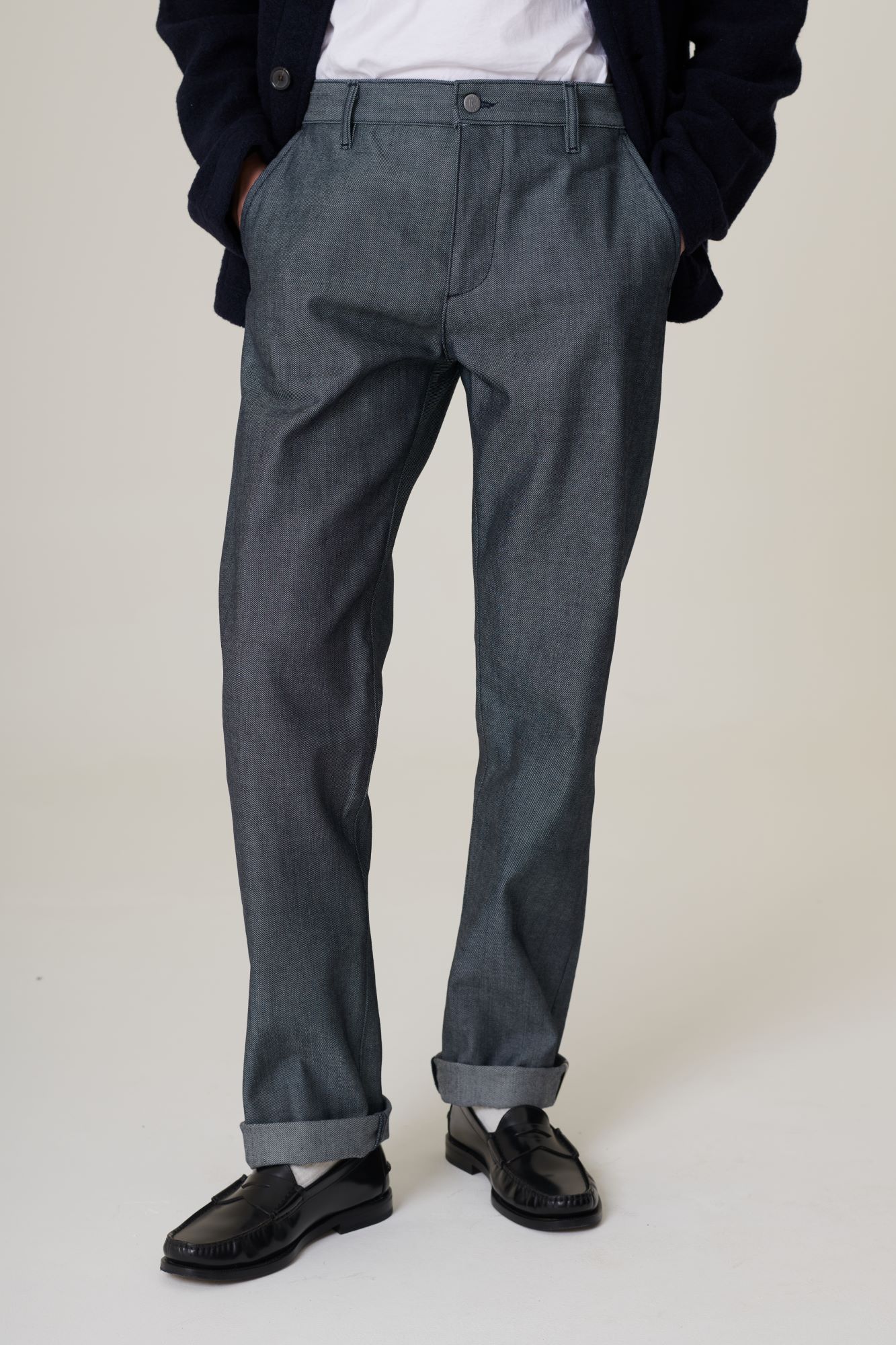
Our new fabric is an exceptional blend of 35% wool and regenerative cotton that brings both sophistication and comfort to your wardrobe. Its soft texture and refined color—grey with an indigo hue—offer a timeless appeal that you’ll love!
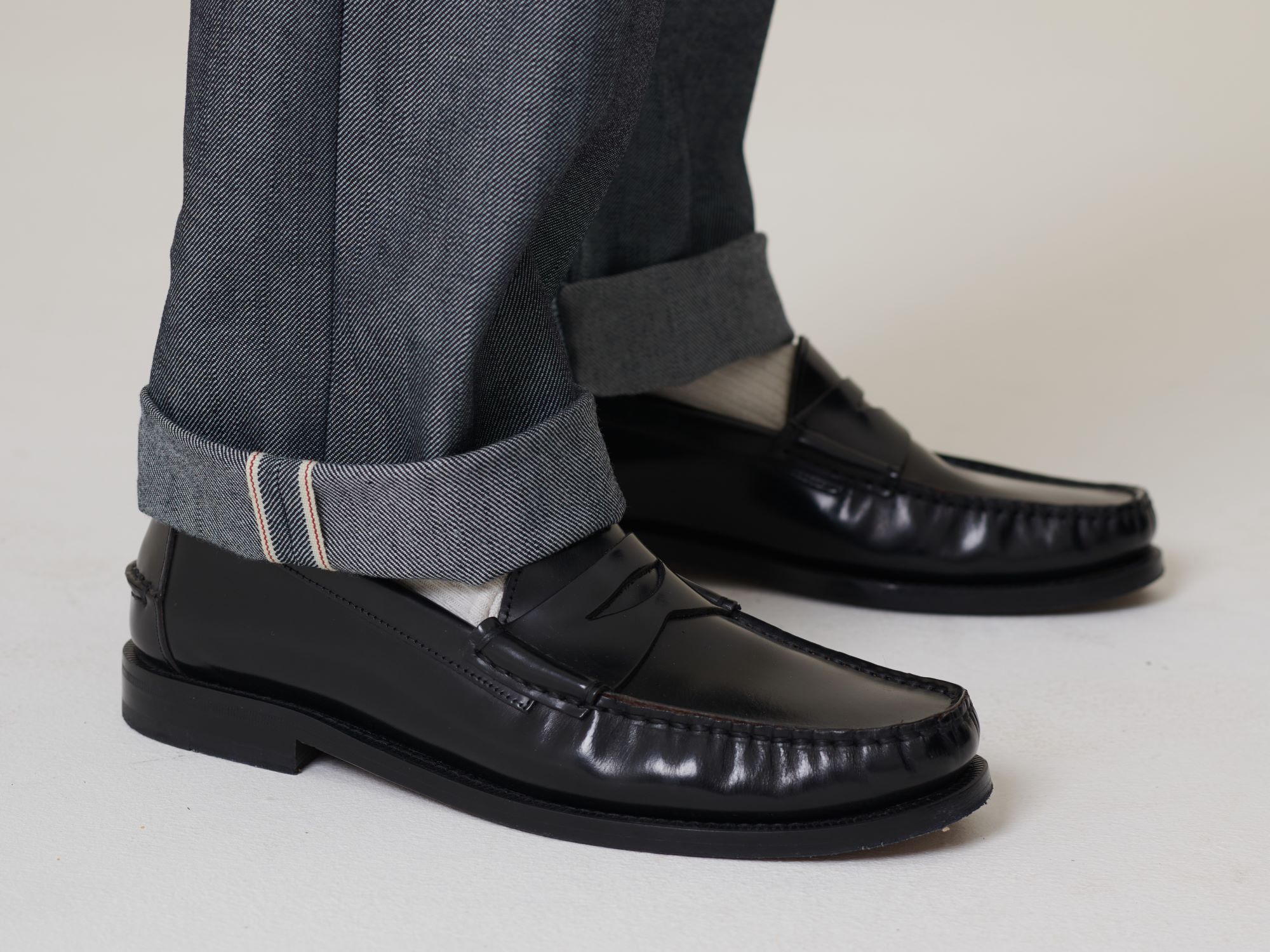
Gently crafted on vintage shuttle looms, this selvedge denim fabric represents a rich tradition, embodying an era when craftsmanship was paramount. As the industry shifted towards faster, more efficient projectile looms, selvedge denim became a rarity. We take immense pride in preserving this remarkable fabric, making it one of our signature offerings.
Denim enthusiasts cherish selvedge denim for its authenticity and high quality, evident in the distinctive edge produced solely by shuttle looms. It usually features a white or colored band that is now an emblem of skilled craftsmanship, keeping the essence of authentic denim alive and well.
Sustainable innovations in our wool denim
At our core, we’re dedicated to enhancing our fabrics with innovative raw materials and cutting-edge technologies. Our unique blend of cotton and wool stands as a testament to this commitment, alongside our use of regenerative cotton and chitosan.
Our regenerative cotton adheres to the regenagri® standard, which plays a vital role in promoting regenerative farming practices. This initiative not only nurtures the health of the land but also fosters the well-being of those reliant on it and promotes continuous improvement, aiming to maximize the main benefits of regenerative agriculture, such as enriching organic matter in the soil, restoring biodiversity, and enhancing natural ecosystem functions.
Moreover, chitosan replaces PVA (Polyvinyl Alcohol) in our sizing process through our patented Kitotex® technology. Unlike PVA, which can release microplastics into the environment and greenhouse gases into the atmosphere if not treated properly, chitosan is derived from chitin, the second most common natural polymer after cellulose. Our chitosan is exclusively sourced from the fungi Aspergillus Niger, ensuring a renewable and eco-friendly option.
How to design your made-to-measure wool jeans
You can have your very own made-to-measure wool jeans crafted right at our micro-factory in Piazza Mentana, 3, Milan! With a fantastic variety of fits available, including men’s regular, chino, sartorial, and our brand-new carpenter jeans, there’s something for everyone. For women, we offer both regular and boyfriend cuts that are sure to impress.
After choosing your fit, you can dive into personalizing your jeans even further! Select your favorite thread colors, buttons, rivets, and back patches. You can also make your jeans truly one-of-a-kind by adding a laser-engraved logo on your back patch or embroidering your initials in a color that speaks to you.
We highly recommend opting for a slightly longer hem to highlight the unique selvedge border along the inseam—cuffs are a stylish way to showcase this feature! We also cherish the authenticity of selvedge denim, which is best enjoyed raw, free from industrial washing or treatment. This ensures that the natural beauty shines through. As you wear your raw denim, it will age beautifully, developing a unique vintage look and intriguing patterns that reflect your personal journey.
Why wool denim?
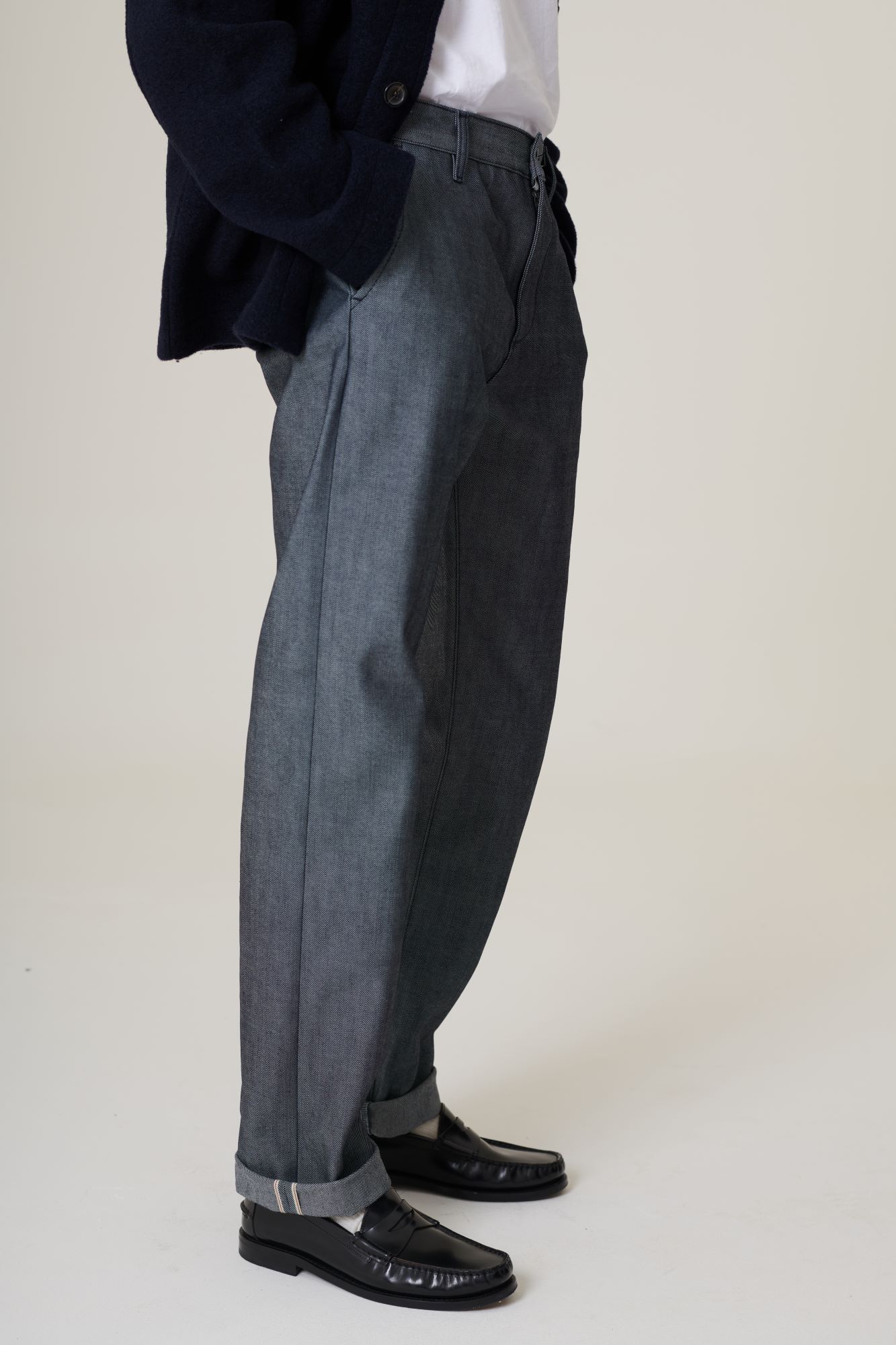
Wool denim is as strong and versatile as conventional cotton denim, but it offers additional benefits due to the presence of wool. First, wool is also renewable and biodegradable, meaning it comes from nature (it grows on sheep) and can return to nature without negative effects at the end of its life. This characteristic aligns with circular models of textile production.
Secondly, wool denim provides superior comfort next to the skin. While wool is typically associated with winter, it actually offers thermal insulation, keeping you warm in cold conditions and cool when it’s hot. This is because wool is a hollow fiber that can trap air, insulating the skin from cold environments while dispersing heat in warmer weather.
Additionally, wool has an impressive ability to absorb moisture from the surrounding air, holding up to 30% of its weight in water without feeling damp. This moisture-wicking property also contributes to odor resistance, as wool keeps the skin drier, helping to prevent the build-up of sweat, bacteria, and unpleasant smells.
Finally, wool is elastic and can easily recover its shape, ensuring durability. It can be stretched up to 50% when wet and 30% when dry, yet it will bounce back to its original shape once the tension is released.
A brief history of the wool trade
The history of wool is rich and complex. Wool has always been an important raw material, with sheep being among the first animals domesticated by humans. Ancient civilizations in Mesopotamia used sheep for food, clothing, and shelter. As early as 4,000 B.C., wool was roughly spun in Babylon. The wool trade soon flourished across various civilizations, with evidence from ancient Middle Eastern and Mediterranean peoples, particularly the Greeks and Romans. In ancient Rome, wool became the most common fiber for clothing, significantly contributing to the local economy from Asia Minor to Britannia due to high demand. In fact, wearing leather and fur garments instead of wool was often stated as a characteristic of Barbarians.
During the Middle Ages, sheep and goat farming for milk, meat, and wool became a significant business in Europe. Spain was especially noted for its merino sheep, which originated in Anatolia and arrived in the country in the 11th or 12th century. Until the end of the 18th century, merino sheep were so crucial to the Spanish economy that their export was forbidden and punishable by death. Tuscany, England, France, and Flanders were also important centers for wool textiles, where powerful guilds worked to protect their craft.
The influence of skilled artisans and merchants continued until the Industrial Revolution in the 18th century, when the invention of mechanical looms marked a significant shift. This new machinery standardized textile production and reduced the need for labor and expertise. Factories replaced artisanal workshops as the centers of textile production. England established itself as the world’s trade hub and maintained this leadership until the end of the 19th century.